Petrol and diesel prices to drop from October 16, but LPG users face sharp 18.5% spike
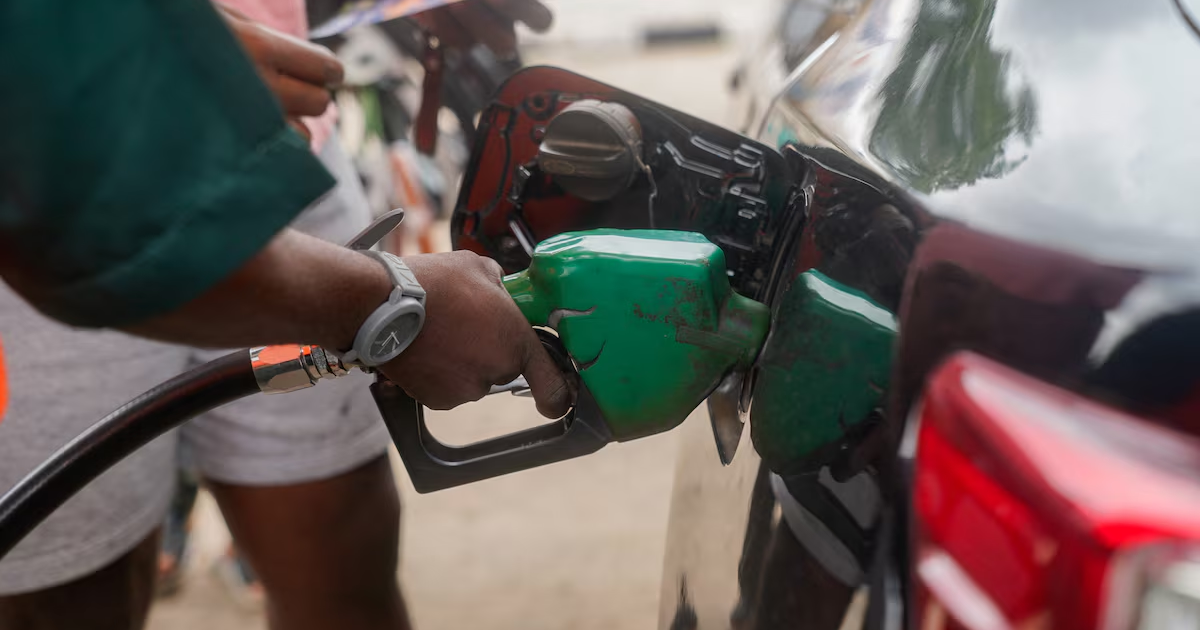
Ghanaian motorists will get modest relief at the pump from Friday, October 16, as petrol and diesel prices are set to fall, though households relying on liquefied petroleum gas (LPG) for cooking will face a painful 18.5% jump in costs. The divergent price movements reflect turbulent global energy markets and ongoing currency pressures on the local economy.
According to the Chamber of Oil Marketing Companies' latest pricing outlook, petrol is projected to drop by nearly 2% to GH¢17.67 per litre, while diesel will decline by 3.32% to GH¢19.30 per litre. However, LPG prices are expected to surge to GH¢20.60 per kilogram, significantly affecting ordinary Ghanaians who depend on cooking gas for daily meal preparation.
What's driving these price changes?
The Chamber attributes the adjustments to shifts in international crude oil markets and currency movements. Average crude oil prices rose by 2.03% to US$126.73 per barrel for this pricing window, driven largely by renewed supply concerns stemming from geopolitical tensions in Eastern Europe and the Middle East. Ukraine's pushback against a proposed US-backed energy ceasefire and fresh military attacks on Saudi Arabia amid regional conflict have heightened anxiety about global oil supplies.
Interestingly, refined petroleum products have moved in different directions. While LPG jumped 7.77% on international markets, diesel fell 6.68% and petrol declined 3.93%, explaining the mixed domestic price outlook. Additionally, the Ghana cedi weakened by 1.61% against the US dollar between late September and mid-October, trading at GH¢11.8222 per dollar. This year-to-date depreciation of over 11% continues to pressure fuel prices, as Ghana imports most of its petroleum products in foreign currency.
Why it matters for Ghana
For most Ghanaians, particularly commercial drivers and transport operators, the modest petrol and diesel reductions offer little real relief given the cumulative impact of fuel price volatility throughout 2026. The weak cedi remains the underlying challenge—even when international prices fall, the currency loss partially negates domestic savings.
The LPG price surge, however, poses a more immediate household concern. Rising cooking gas costs disproportionately affect low-income families who have switched to LPG as an alternative to charcoal and firewood. A near-20% jump will strain household budgets already stretched by inflation and currency instability. The government has previously intervened in fuel markets through subsidies and strategic releases of refined products via the Tema Oil Refinery, but such measures appear insufficient to shield consumers from persistent global headwinds.
The National Petroleum Authority has also lowered minimum price floors for petrol (from GH¢16.45 to GH¢16.09) and diesel (from GH¢17.97 to GH¢17.09), though these ceilings do not account for separate margins charged by oil companies, which retain operational discretion in final pump prices.
What to expect next
Analysts suggest these price movements align with earlier forecasts of modest relief, though Ghana's energy sector remains exposed to external shocks. The Chamber's report underscores the vulnerability of the domestic economy to international crude volatility, currency fluctuations, and geopolitical instability. For consumers, the takeaway is clear: while fuel at the pump may ease slightly, broader economic pressures mean sustained affordability concerns, especially for households dependent on LPG.
Source: MyJoyOnline

Comments (0)
Be the first to comment.