Government suspends diesel levy for two months as fuel prices face sharp spike
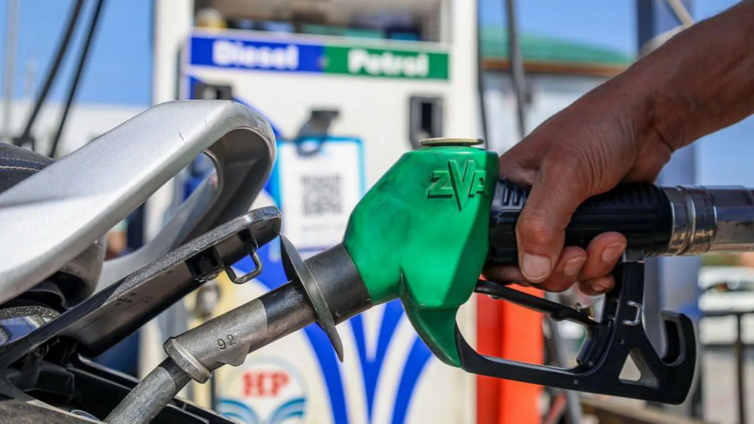
The government has announced a temporary suspension of the GH¢1-per-litre Energy Sector Shortfall and Debt Repayment Levy (D-Levy) on diesel for October and November, a strategic move designed to shield consumers from anticipated fuel price shocks without reducing the overall support package.
Under the new arrangement, motorists will continue to receive a total GH¢2 reduction on every litre of diesel throughout the two-month period. However, the structure of this relief has been restructured: instead of the government absorbing the full GH¢2 through reductions in statutory margins, it will now provide GH¢1 through margin cuts and the remaining GH¢1 by suspending the D-Levy entirely.
Significant price increases expected
The timing of this intervention is crucial. The Chamber of Petroleum Consumers (COPEC) is forecasting sharp increases in fuel prices from Thursday, 1 October, with diesel projected to jump by 22.91% and petrol rising 5.21%. These increases would push diesel prices to approximately GH¢22.42 per litre, up from the current GH¢18.24, whilst petrol would climb from GH¢16.90 to GH¢17.78 per litre.
COPEC has attributed the expected price surge primarily to elevated international petroleum prices and marginal depreciation of the cedi against the US dollar. For Ghanaian consumers and businesses reliant on diesel—particularly commercial vehicle operators, manufacturers and generators—the timing of government's intervention represents significant relief, though economists warn that the underlying structural challenges remain.
Why it matters for Ghana
Fuel prices are a critical component of Ghana's cost-of-living pressures. Diesel price spikes directly affect transport costs, which ripple through the entire economy: increased logistics costs push up food prices, electricity tariffs tied to fuel expenses rise, and manufacturing competitiveness suffers. For ordinary Ghanaians already grappling with inflation, every pesewa saved at the pump matters.
The government's intervention reflects a balancing act between protecting consumers and managing the state's fiscal position. Rather than absorbing the full subsidy cost through the public budget, the decision to suspend the D-Levy—a tax specifically designed to fund energy sector debt repayment—suggests the administration is prioritising short-term relief whilst attempting to maintain fiscal discipline. This approach has become increasingly common as Ghana navigates its post-IMF programme recovery.
However, questions remain about the sustainability of such measures. The underlying causes of fuel price volatility—global oil market dynamics and currency weakness—are largely beyond government control. Successive administrations have struggled to balance consumer protection with fiscal responsibility, and temporary levies suspensions, whilst welcome, do not address long-term energy sector challenges including production capacity and refining constraints.
Context and previous measures
This announcement follows earlier government efforts to cushion diesel consumers. In September, the government continued a GH¢2-per-litre reduction in the regulatory margin for diesel, signalling an ongoing commitment to mitigation. These interventions form part of a broader pattern of government attempts to manage inflation and protect vulnerable populations from international commodity shocks.
For transport operators, manufacturers and industrial users, the two-month reprieve provides a window of relative stability, though the underlying price trajectory remains steep. When the suspension ends in December, stakeholders will closely watch whether the government extends further relief or allows full D-Levy reinstatement.
Source: Today GH

Comments (0)
Be the first to comment.