Middle East tensions threaten global oil supplies; what it means for Ghana's energy costs
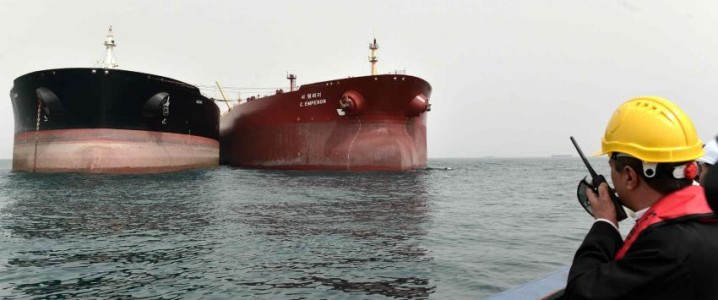
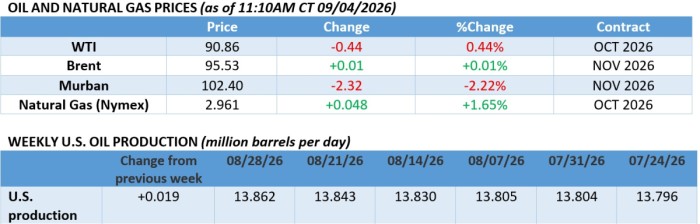
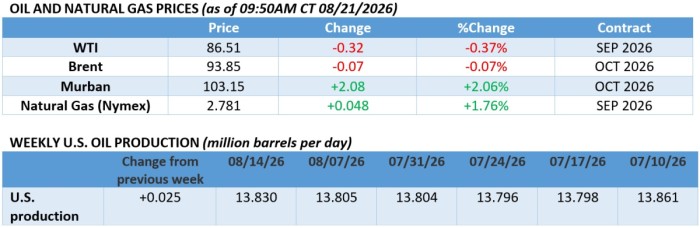
Global oil markets are facing renewed upward pressure as geopolitical tensions in the Middle East intensify, with fresh attacks on critical energy infrastructure signalling a prolonged period of supply uncertainty. While crude prices pulled back slightly this week, commodity analysts at Standard Chartered warn that deepening US-Iran hostilities and direct threats to regional export routes will keep oil prices elevated above a higher floor—a development with direct implications for fuel-dependent economies like Ghana.
The turmoil centres on attacks by Iran-aligned Houthi forces in Yemen, which last week seized the strategic Red Sea port of Mocha and launched heavy drone and missile strikes against Saudi Arabia's King Khalid Air Base. Most critically, drone strikes have damaged key pumping stations on Saudi Arabia's East-West oil pipeline, forcing the closure of this crucial alternative export route that bypasses the Strait of Hormuz—one of the world's most strategically important chokepoints for global oil flows.
Why it matters for Ghana
Ghana, as both an oil producer and a net energy importer dependent on petroleum products for power generation and transportation, faces direct exposure to sustained higher global crude prices. When Brent crude remains elevated, fuel prices at the pump and electricity tariffs typically follow. For ordinary Ghanaians, this translates to higher transport costs and increased household energy bills—pressures that ripple through the broader economy by raising the cost of goods and services.
Standard Chartered's analysis highlights a particularly concerning scenario: Saudi Arabia has only around one week of crude stocks at its ports to sustain exports at current rates. A prolonged outage of the East-West pipeline could force greater reliance on already-congested routes through the Strait of Hormuz, concentrating supply risk in a single chokepoint. The firm also notes that Houthi advances along Yemen's Red Sea coast and around Bab el-Mandeb increase risks to tanker transit, adding war-risk insurance, freight and rerouting costs—all of which are eventually passed on to oil-importing nations.
The geopolitical tangle and failed diplomacy
Hopes for de-escalation were dashed this week when a planned diplomatic meeting between Iran and Gulf Arab states regarding commercial shipping through the Strait of Hormuz was postponed. The postponement came after Saudi Arabia and Bahrain both withheld support for the proposed meeting framework. Bahrain explicitly rejected what it called a "policy of appeasement," citing the pipeline strike as evidence that attacks on Gulf infrastructure remain an active threat. This diplomatic failure underscores the depth of mistrust and suggests the conflict is unlikely to be resolved through negotiation in the near term.
What happens next: Market implications
Standard Chartered expects the geopolitical risk premium to remain elevated, with oil price moves continuing to be punctuated by sharp corrections on constructive headlines—in other words, expect volatility. The broader issue exposed by recent events is a fundamental weakness in global energy markets: the assumption that alternative infrastructure could bypass traditional chokepoints like Hormuz has been undermined by the discovery that those alternatives are themselves vulnerable to attack. Both the East-West pipeline and the Red Sea maritime route now face heightened risk.
For West African nations including Ghana, the lesson is clear: global energy security remains fragile, and elevated oil prices may persist even as Near-term diplomatic efforts stall. The Federal Reserve's recent interest rate hike to 3.75-4.00% typically dampens oil demand by cooling economic activity, but this deflationary effect may be overwhelmed by the genuine supply constraints and geopolitical risk premium now embedded in global crude prices.
Ghana's government and private sector must prepare for a prolonged period of higher energy costs and continued pressure on the cedi as import bills rise. Energy efficiency, renewable energy diversification, and prudent fiscal management become increasingly critical in this environment.
Source: The Ghana Report
Comments (0)
Be the first to comment.