
Global oil and gas crisis pushes diesel to record highs; what it means for Ghana's fuel costs
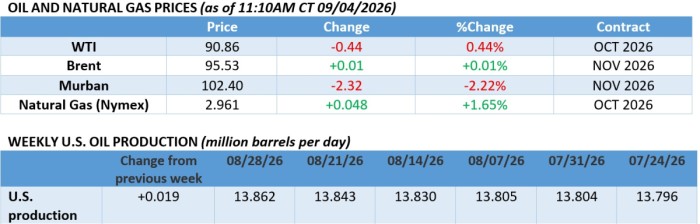

Global diesel shortages and refining constraints are pushing crude oil prices toward $95 per barrel, with the potential to significantly impact fuel costs across West Africa, including Ghana. The surge is being driven primarily by tightening middle distillate supplies—particularly diesel—rather than crude alone, as refineries worldwide struggle to meet demand into late 2026.
The United States has already experienced record-breaking diesel prices at $5.85 per gallon, driven by depleted stocks and reduced product flows from key exporters including Russia, which maintains an export ban. This global tightness is creating a domino effect across international markets, including Africa, where fuel imports remain critical to economic activity.
Why it matters for Ghana
Ghana, as a net fuel importer with a significant reliance on diesel for transportation, power generation and industrial operations, is particularly vulnerable to these global price movements. When international crude and refined product prices spike, Ghanaian consumers and businesses feel the impact within weeks. Higher diesel costs typically translate to increased transport fares, electricity generation expenses, and production costs across manufacturing and agriculture.
The energy crisis extends beyond crude oil. Bangladesh's recent purchase of liquefied natural gas at $28.03 per million British thermal units—the highest price since 2022—signals that competition for LNG is intensifying globally. Europe's gas prices have also hit three-year highs above €72 per megawatt-hour. These pressures could affect gas-to-power generation in Ghana and other African nations dependent on LNG imports, potentially impacting electricity tariffs.
Regional and global factors
Several geopolitical and supply-side factors are converging to tighten energy markets. A US-Iran conflict is constraining Middle Eastern oil production increases, whilst OPEC+ is expected to hold production quotas steady at 31.01 million barrels per day through 2026. Saudi Aramco's decision to hold prices at steep discounts despite rising global costs suggests producers are bracing for demand destruction—a risk that could eventually ease prices but remains uncertain in the short term.
On the bright side for African energy security, Nigeria's Dangote Refinery is moving toward its largest-ever initial public offering, seeking $1.5 billion to double capacity to 1.4 million barrels per day. This could eventually reduce West Africa's dependence on imported refined products. Additionally, some African nations, including Indonesia, are attracting foreign investment in upstream oil and gas development, though this capacity expansion will take years to materialise.
What Ghanaians should expect
In the immediate term, Ghanaians should prepare for potential fuel price increases at the pump and possible adjustments to electricity tariffs. The Bank of Ghana and government may need to monitor inflationary pressures closely, as transport and energy costs are primary drivers of consumer prices. Businesses reliant on diesel—including transport operators, mining firms and manufacturers—should anticipate margin pressures unless international prices stabilise.
The outlook remains uncertain, with no short-term relief expected except through demand destruction, which carries its own economic risks. Long-term solutions depend on increased global refining capacity, resolution of geopolitical tensions affecting Middle Eastern supply, and successful development of African refining and production projects like Dangote.
Source: The Ghana Report


Comments (0)
Be the first to comment.