Suame Interchange Phase Two set for October 2026 completion – new routes to ease Kumasi congestion
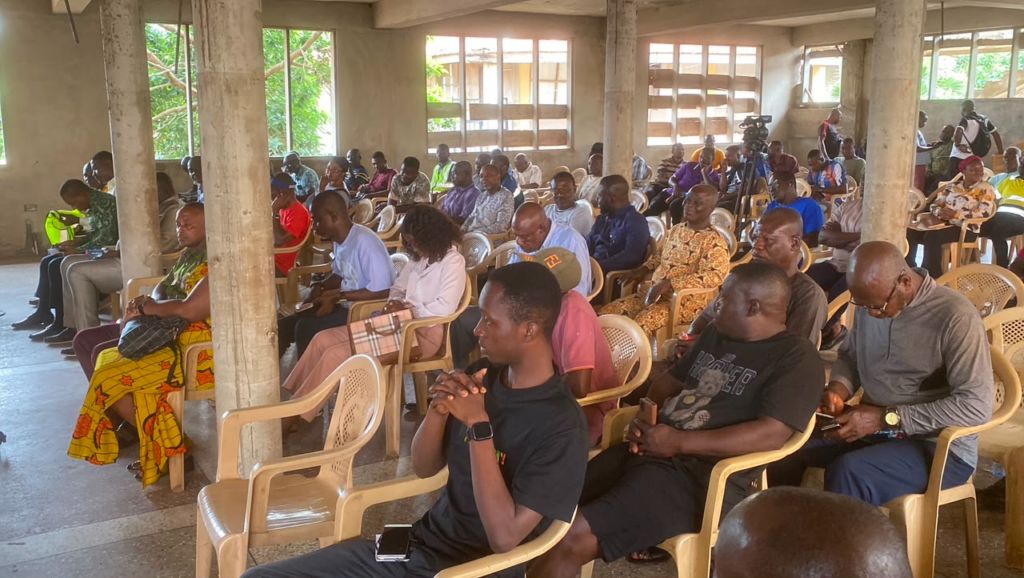
The Department of Urban Roads has set October 2026 as the completion date for Phase Two of the Suame Interchange project in Kumasi, marking a significant milestone in addressing traffic congestion in one of Ghana's key commercial centres. Director-General James Oduro Amoo-Gottfried announced at a stakeholders' meeting that the local roads component spanning approximately 15 kilometres will be fully handed over to traffic within that timeframe.
The two-phase project represents a major infrastructure investment aimed at transforming mobility in the Suame area. Phase Two, which covers local roads within the project's influence zone, is being prioritised for early completion to provide alternative routes while the main interchange construction proceeds. This strategic approach allows motorists to navigate the area without being entirely dependent on the primary corridor during the main interchange works.
Phase Two: Three new overpasses and alternative routes
The second phase will introduce three critical overpasses at Anomangye, New Road and Ebusuakruwa, designed to improve northbound traffic flow and create multiple routing options for vehicles traversing the congested zone. These structures will be particularly valuable once Phase One construction intensifies, ensuring commuters and commercial traffic have viable detours.
According to the Director-General, Phase Two is already substantially advanced and on track to meet the October 2026 deadline. The completion of these local roads and overpasses will fundamentally reshape traffic patterns in the area, reducing bottlenecks that have long plagued the Suame region.
Phase One: The flagship multi-tier interchange
Phase One, the centrepiece of the entire project, will construct a main multi-tier interchange connecting Suame Roundabout to Abrepo Junction, coupled with widening works along the Western Bypass. A critical element is the grade-separated underpass at Abrepo Junction, one of Kumasi's most congested intersections. This design will allow traffic from Bantama and the hospital area to flow beneath the junction directly towards Abrepo, whilst bypass vehicles continue at ground level. The widening of the main corridor will increase overall vehicular capacity, addressing capacity constraints that have worsened congestion.
Why it matters for Ghana
The Suame Interchange project is vital for Kumasi's economic vitality and Ghana's broader transport infrastructure. Kumasi serves as a commercial and transport hub for the Ashanti Region and beyond, making traffic efficiency critical for businesses, commuters and inter-regional commerce. Persistent congestion increases operational costs for traders, delays essential services and frustrates commuters, ultimately impacting productivity and quality of life.
The two-phase approach demonstrates forward planning – releasing Phase Two ahead of Phase One allows minimal disruption during the main works. This reduces the risk of total gridlock during construction, protecting Kumasi's economy whilst delivering modern infrastructure.
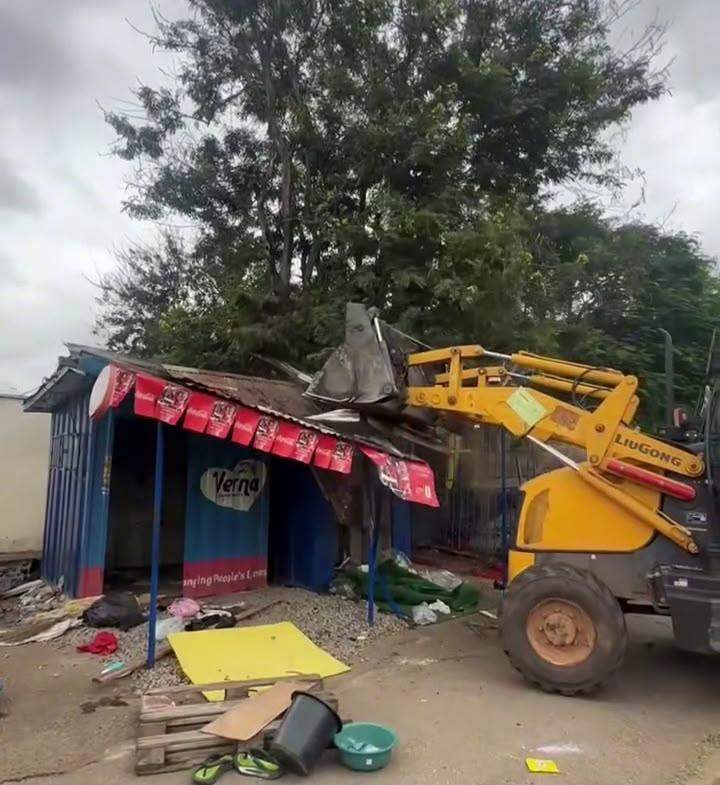
Urban Roads has also addressed the relocation of traders and structures within the project's right of way. The Suame Municipal Assembly will facilitate the movement of those operating temporarily in affected areas, with the Director-General indicating the timeline for these relocations is imminent. This coordination between national and local authorities underscores the project's comprehensive scope.
Upon completion, the Suame Interchange will substantially improve traffic flow, reduce travel times, lower transport costs, and position Kumasi for sustained economic growth. The project also sets a precedent for Ghana's approach to managing urban mobility in high-density commercial zones.
Source: MyJoyOnline
-1200x900.webp)
Comments (0)
Be the first to comment.