
Ghana and Trinidad & Tobago Unite to Demand Reparatory Justice From Britain
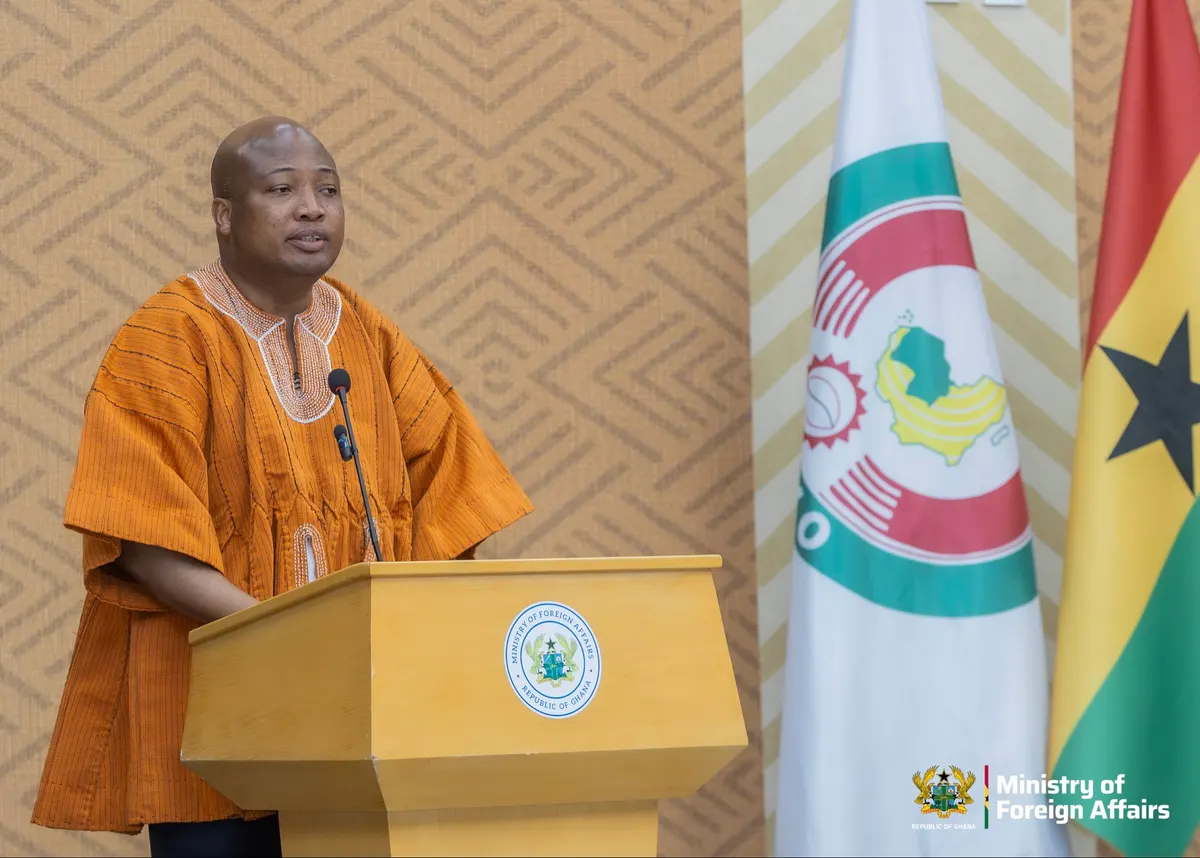

Ghana and Trinidad and Tobago have taken a significant step towards coordinated action on slavery reparations, calling for the establishment of a joint Africa-Caribbean institution that would serve as a unified front in formal talks with the United Kingdom. The move signals a shift in how former colonised nations intend to pursue reparatory justice — not as individual countries making isolated requests, but as a collective bloc with shared historical grievances.
Beyond cash payments: a broader vision for reparatory justice
Central to the push is a vision of reparatory justice that extends well beyond financial compensation. Ghana's Samuel Okudzeto Ablakwa and Trinidad and Tobago's representative Sobers have both stressed that any meaningful reparations framework must address structural inequalities that persist as a direct legacy of the transatlantic slave trade and colonial exploitation.
Trinidad and Tobago has been particularly vocal in outlining what substantive reparations could look like in practice. Their proposals include scholarship programmes to expand access to higher education, the construction and upgrading of hospitals, and investment in schools across affected nations. This approach reframes the reparations conversation — moving it away from the politically contentious idea of cash handouts and towards tangible development investments that could benefit entire populations.
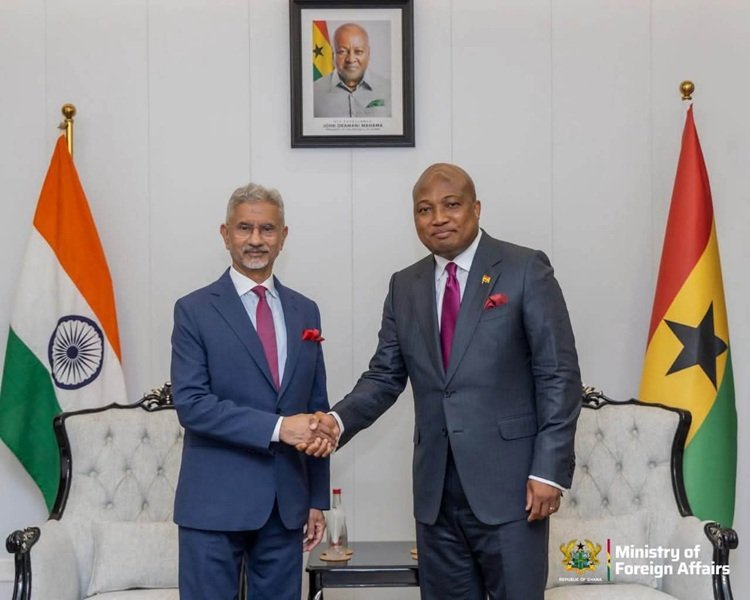
Ablakwa, who chairs Ghana's Foreign Affairs Committee in Parliament, has long been an advocate for reparatory justice on the African continent, and his alignment with Caribbean counterparts strengthens the diplomatic weight behind the initiative.
Why it matters for Ghana
Ghana holds a deeply symbolic and historical position in any conversation about the transatlantic slave trade. The country's coastline is home to some of the most harrowing reminders of that era — Cape Coast Castle and Elmina Castle served as holding dungeons from which millions of enslaved Africans were shipped to the Americas and the Caribbean. These sites draw thousands of diaspora visitors each year, reinforcing Ghana's central place in the collective memory of slavery.
Beyond symbolism, the economic case for reparations resonates strongly in Ghana. Decades of structural adjustment programmes, debt servicing obligations and unequal trade relationships have left many African nations arguing that the developmental gap between the Global North and Africa is not accidental — it is rooted in centuries of extraction. A formalised reparations process could channel resources into areas such as healthcare, education and infrastructure where Ghana continues to face significant challenges.
The proposed joint Africa-Caribbean body would also give smaller nations greater negotiating leverage than they could achieve alone. For Ghana, partnering with Caribbean states that have already built substantial institutional momentum around reparations — including through the Caribbean Community's CARICOM Reparations Commission — could accelerate progress considerably.
The road ahead
Despite growing momentum, the path to formal UK engagement remains uncertain. The British government has historically resisted reparations discussions, arguing that responsibility cannot be assigned to current generations for historical wrongs. However, increasing pressure from Commonwealth member states, evolving public opinion in Britain itself, and the symbolic weight of events like the coronation of King Charles III have kept the debate alive.
The formation of a joint negotiating body would represent a structural escalation — transforming what has often been a moral argument into a formal diplomatic process. For Ghana and its Caribbean partners, the message is clear: reparatory justice is not a request. It is a demand backed by history, solidarity, and an increasingly organised international coalition.
- Ghana and Trinidad and Tobago want a joint Africa-Caribbean reparations body for UK talks.
- Reparations proposals include scholarships, hospitals and improved schools — not just cash.
- Ghana's Ablakwa is a key advocate, aligning African and Caribbean voices on the issue.
Source: 3News

Comments (0)
Be the first to comment.