
Ghana leads Africa-Caribbean push for debt-swap reparations framework
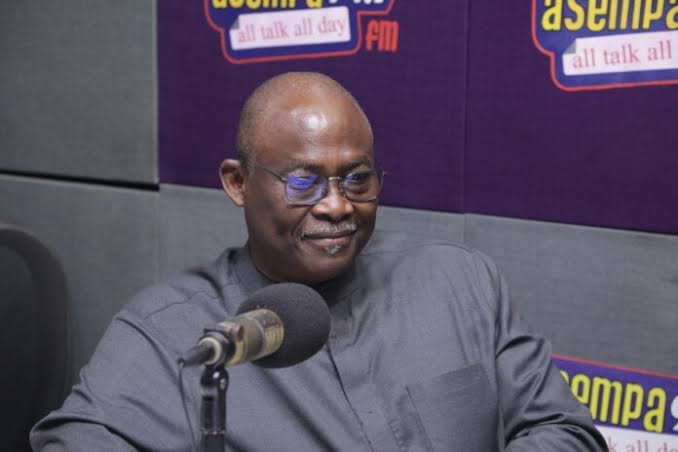
Ghana's Presidential Special Envoy for Reparations Ekwow Spio-Garbrah has unveiled an ambitious proposal to reshape how African and Caribbean nations address the economic legacy of slavery and colonialism through innovative debt-swap mechanisms. Rather than seeking outright debt forgiveness, the initiative would redirect resources currently servicing eligible bilateral debt into targeted development programmes, reframing the conversation around reparative justice as an acknowledgement of historical wrongs rather than charity.
Speaking at the 10th GITFiC Annual Conference during discussions on the 3rd Global Debt Initiative, Spio-Garbrah's Programmes Manager Isaac Obed Sarr articulated a crucial distinction at the heart of the proposal. "There is neither charity nor debt forgiveness," Sarr explained. "Debt converted for reparative purposes is an acknowledgement." This framing positions debt swaps not as concessions from creditor nations, but as recognition of structural economic inequalities rooted in historical exploitation.
How the debt-swap mechanism would work
Under the proposed framework, African and Caribbean governments would identify eligible bilateral debt obligations and agree with creditors to convert portions of these debts into investments in critical national priorities. Rather than making traditional debt payments to foreign creditors, resources would instead fund domestic development initiatives. Priority areas identified include education and skills development, healthcare infrastructure, heritage restoration projects, and industrial capacity building—sectors directly linked to long-term economic resilience and social recovery.
The mechanism deliberately targets development areas that strengthen institutional capacity and human capital, directly addressing gaps created by centuries of extractive colonial policies. By channelling debt payments into education and healthcare, participating nations could simultaneously service obligations whilst investing in foundations for sustainable growth.
Why it matters for Ghana and the region
Ghana holds particular significance in this initiative, both as the nation proposing the framework and as a country with deep historical connections to the transatlantic slave trade. The proposal signals Ghana's growing leadership on reparations discourse within Africa and the Global South more broadly. By moving beyond symbolic advocacy towards concrete policy mechanisms, Spio-Garbrah's office positions Ghana at the forefront of translating reparations demands into actionable financial instruments.
For other African and Caribbean nations struggling with debt servicing burdens that constrain development spending, the debt-swap model offers a pragmatic pathway to redirect resources. Many governments allocate substantial portions of budgets to external debt repayment—funds that could otherwise support healthcare, education and industrial development. The proposal acknowledges this tension and seeks to reframe debt obligations as opportunities for reparative investment.
Importantly, Sarr emphasised that this mechanism represents neither a final settlement of broader reparations claims nor a substitute for direct compensation discussions. Instead, it serves as one component within a larger reparations agenda, whilst providing immediate tangible benefits to participating nations.
Accountability and institutional reform as prerequisites
A cornerstone of the proposal centres on financial governance and transparency. Sarr warned that creditor nations cannot be expected to participate in debt swaps if recipient governments demonstrate poor financial management. "We cannot ask the world to correct historical injustice while tolerating waste, corruption, and weak institutions at home," he stated. This emphasis on domestic accountability reflects recognition that reparative justice requires institutional strengthening alongside resource transfers.
Spio-Garbrah's office has called for establishing a joint technical working group comprising African and Caribbean representatives to develop a detailed implementation framework, identify pilot transactions and establish a unified regional position for negotiations with international financial institutions. The office pledges to provide technical expertise and coordinate with partners to transition the initiative from advocacy stage into operational policy.
The proposal represents a significant evolution in how reparations discourse engages with practical finance, linking historical responsibility directly to measurable development outcomes.
Source: MyJoyOnline




Comments (0)
Be the first to comment.