
Ghana-Lebanon Drug Bust: NACOC Arrests Three Foreign Nationals Linked to Record 46.7kg Cocaine Seizure
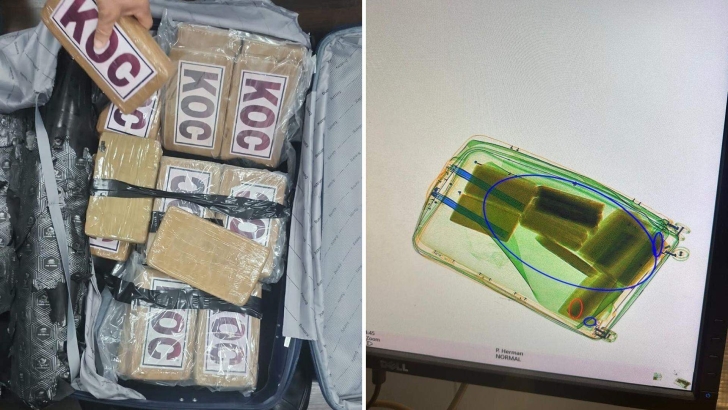

Ghana's Narcotics Control Commission (NACOC) has arrested three foreign nationals — a Syrian, a Tunisian and a Lebanese — in connection with a record-breaking cocaine seizure at Beirut's Rafic Hariri International Airport in Lebanon. The arrests mark a significant step in a coordinated international operation aimed at dismantling a transnational drug trafficking network with links stretching from Accra to the Middle East.
How the Operation Unfolded
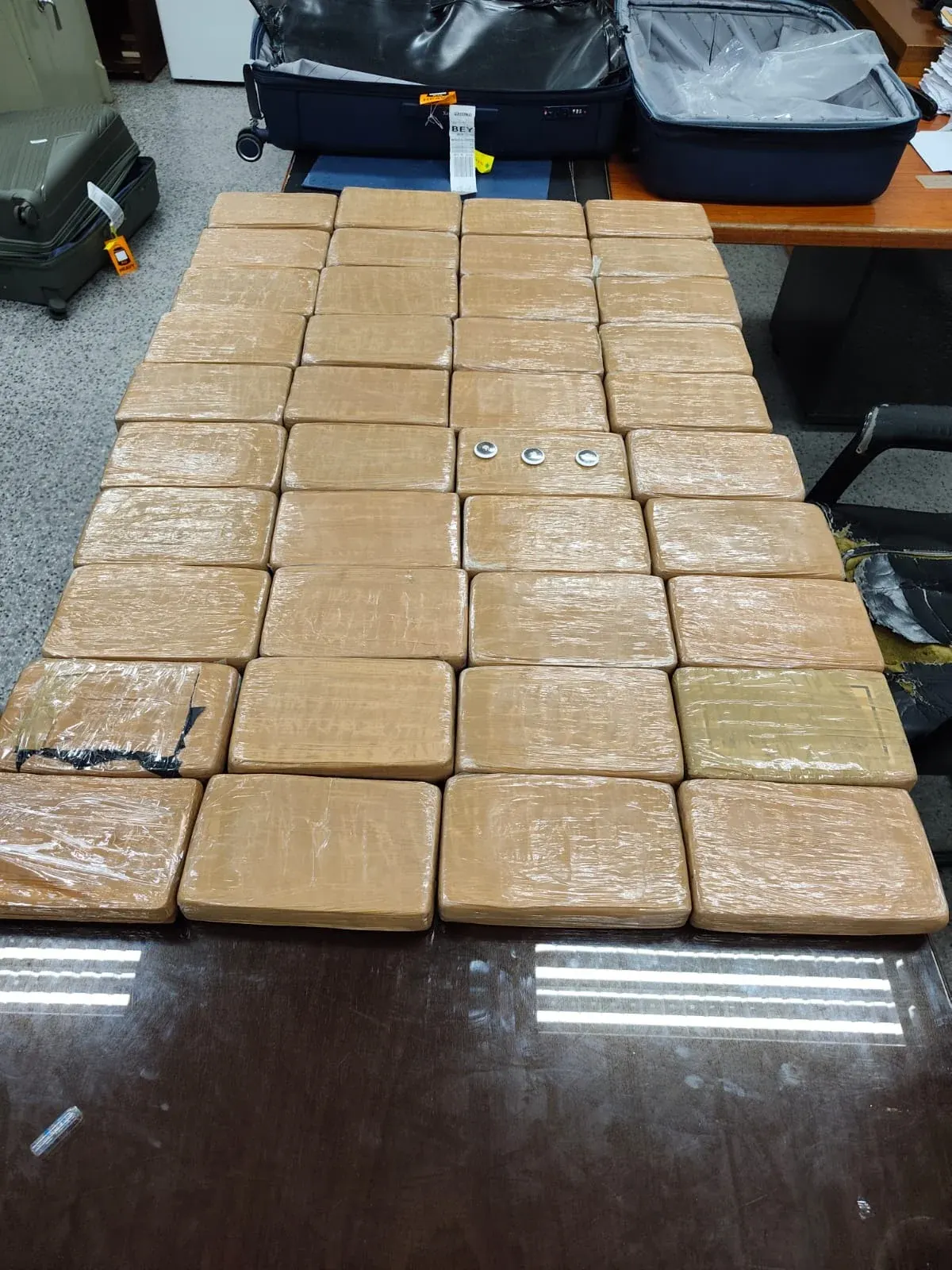
The chain of events began on Saturday, 1st November, when Lebanese Customs officers apprehended a Syrian national arriving at Rafic Hariri International Airport on a flight from Accra. A thorough search of his two pieces of luggage uncovered 40 packages containing a combined 46.7 kilogrammes of cocaine. Lebanese authorities described it as the largest drug seizure ever recorded at the airport.
What made the discovery particularly alarming was the sophistication of the concealment method. The drugs had been carefully packaged with insulation materials specifically designed to defeat airport scanning equipment, and electronic tracking devices were found among the packages — suggesting a well-resourced and organised criminal operation. Preliminary investigations by Lebanese authorities revealed the suspect had entered Lebanon through the Masnaa border crossing from Syria weeks before travelling to Accra, where the consignment was apparently assembled before the return journey.
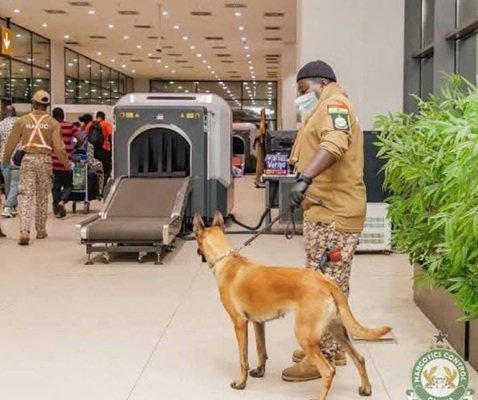
Back in Ghana, NACOC moved swiftly. Acting on intelligence shared by Lebanese law enforcement, the commission arrested two suspects in Accra earlier in the day on Tuesday, 4th November, with a third person — comprising two men and a woman in total — apprehended later that afternoon. The three individuals were picked up in separate operations and are currently being investigated to determine the extent of their involvement in both the specific shipment and the broader trafficking network.
Why It Matters for Ghana
This case shines an uncomfortable spotlight on Ghana's vulnerability as a transit hub in international drug trafficking routes. The fact that such a large consignment of cocaine was assembled or routed through Accra before making its way to Lebanon suggests the country is attractive to transnational criminal networks — a concern that security agencies and international partners have flagged repeatedly in recent years.
NACOC has been at pains to emphasise, however, that Ghana was not a passive bystander in this operation. In a statement issued on 1st November, the commission confirmed that the arrest in Lebanon was the result of a deliberate, coordinated controlled-delivery operation jointly executed by Ghanaian and Lebanese drug law enforcement agencies. Rather than simply intercepting the consignment, investigators allowed it to move in order to identify and arrest individuals at multiple points along the supply chain — a technique increasingly used in complex transnational cases.
The commission has also made clear that its investigations are continuing, with efforts focused on identifying the intended recipient of the drugs in Lebanon and tracing everyone who organised or facilitated the shipment from the Ghana end.
What Happens Next
The three suspects in Ghana are expected to face further questioning as NACOC works to map the full structure of the network. Investigators are particularly keen to establish whether the individuals arrested represent the core of the operation or are lower-level facilitators working for a larger organisation.
International cooperation will remain central to the case. The involvement of Lebanese authorities from the outset, and the intelligence-sharing that led to the Ghana arrests, demonstrates the kind of cross-border collaboration that law enforcement agencies say is essential to tackling drug trafficking networks that deliberately exploit multiple jurisdictions.
- NACOC has stated it is still pursuing additional suspected accomplices within Ghana.
- Lebanese authorities have described the 46.7kg seizure as the biggest in Beirut airport's history.
- The operation is being framed as a controlled-delivery exercise designed to expose the wider network rather than simply seize the drugs.
Source: MyJoyOnline


Comments (0)
Be the first to comment.