
Arrest Couriers All You Want — Without Chasing Drug Financiers, Ghana Will Go 'Round in Circles', Lawyer Warns
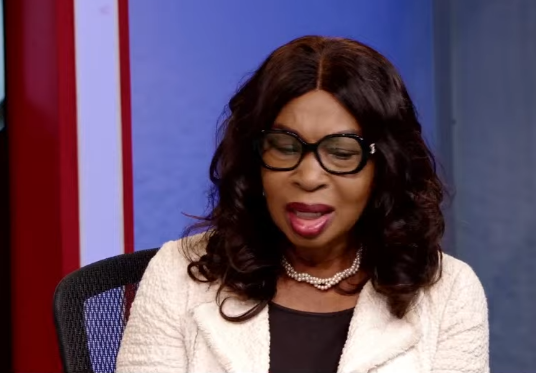

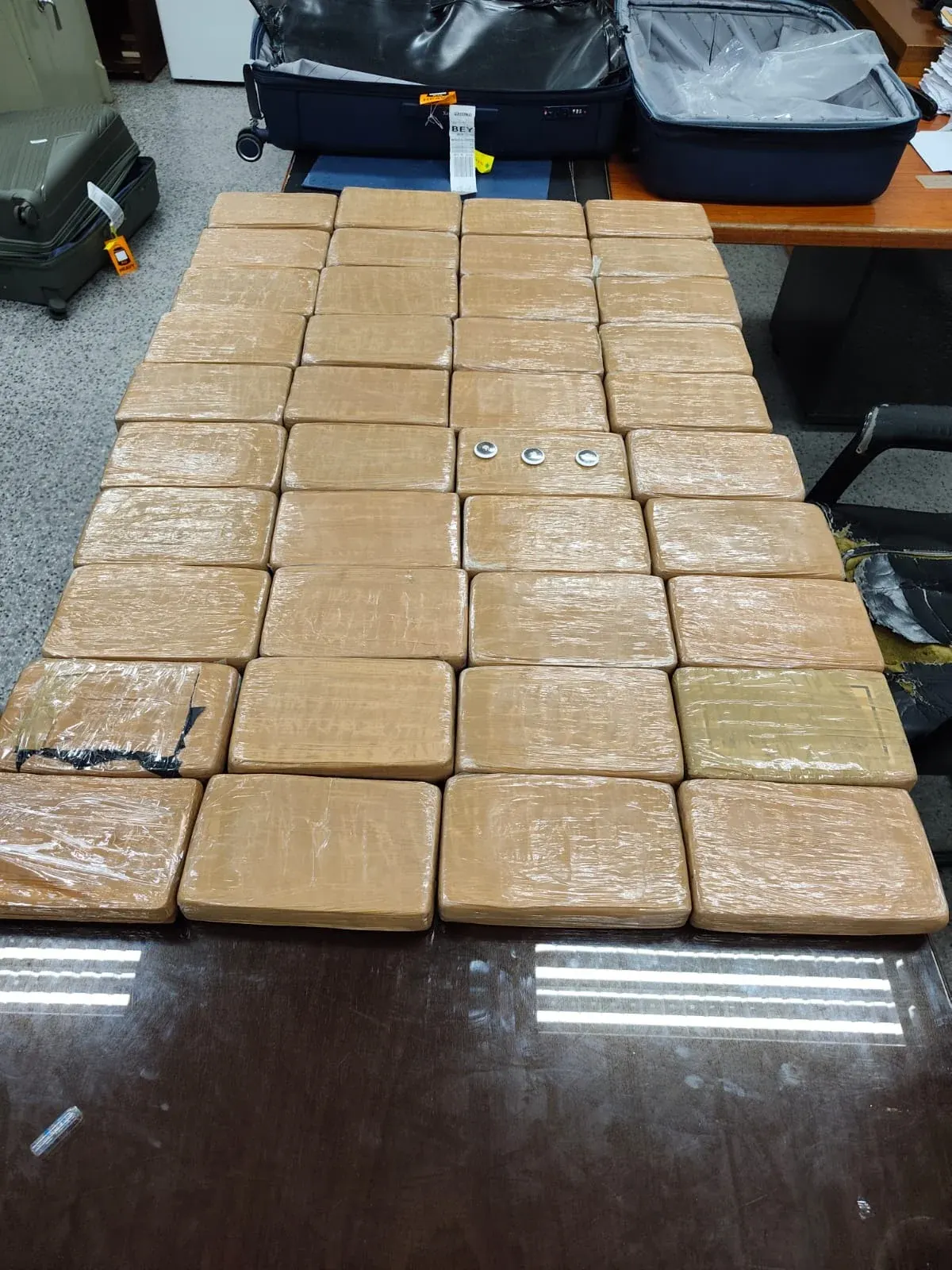
A Ghanaian legal practitioner is urging security agencies to fundamentally change how they tackle drug trafficking — shifting focus away from arresting low-level couriers and towards dismantling the financial networks that fund and coordinate narcotics shipments through the country. Victoria Bright, a private legal practitioner, made the call following the arrest of a Syrian national at Rafic Hariri International Airport in Beirut, Lebanon, after he allegedly arrived from Accra with approximately 40 kilogrammes of suspected cocaine concealed in two pieces of luggage. The arrest was made on Saturday, 1 November, and has since been confirmed by Ghana's Narcotics Control Commission (NACOC).
Couriers Are Just the Tip of the Iceberg
Speaking on the JoyNews AM Show on Monday, 3 November, Ms Bright argued that repeatedly arresting individuals used to physically transport narcotics — commonly referred to as drug mules — does almost nothing to disrupt the broader criminal enterprise behind the trade.
"Arresting the person carrying the luggage doesn't mean anything. They are just a mule. They are the lowest in the chain," she said, stressing that the real targets must be those who purchase the drugs, arrange their transportation, pay for international travel and ultimately receive the consignments at the other end.
Ms Bright raised particular alarm over reports suggesting the suspect had returned to Ghana within a week prior to his arrest — apparently to collect another consignment — which she said pointed clearly to a well-organised, repeat operation rather than an isolated incident.
"These incidents are becoming more and more frequent, and the quantities involved are also becoming larger, so it's very troubling," she said, though she stopped short of declaring that Ghana was losing the fight against drug trafficking.
She posed a series of probing questions she believes investigators must answer: who supplied the consignment, who financed its movement, who was meant to receive it, and who facilitated its passage through Ghana's borders and aviation facilities? She also noted that substances such as heroin and cocaine are not produced in Ghana, making it critical to understand how they are consistently finding their way into the country and being transited outwards.
Why It Matters for Ghana
Ghana's position as a relatively stable, well-connected transit hub in West Africa has long made it attractive to international drug trafficking networks. The country sits on major air and sea routes linking South America, West Africa and Europe — routes that criminal organisations have repeatedly exploited to move large quantities of narcotics.
Successive governments and security agencies have made arrests, yet analysts and legal experts like Ms Bright argue that headline-grabbing seizures rarely lead to the prosecution of those at the top of trafficking networks. Without following the money, the financiers behind these operations remain untouched and free to recruit new couriers and repeat the cycle.
Ms Bright is calling for thorough financial investigations — including tracing assets and proceeds linked to trafficking offences — to become a standard and central part of every major drug case. "A thorough financial investigation is also necessary. That is really the crux of the matter; otherwise, we are simply scratching the surface," she said.
Her concerns carry weight at a time when Ghana's aviation security and border controls face increasing international scrutiny. If Ghana is perceived as a permissive transit point, it risks reputational damage with international partners and could face tighter restrictions on Ghanaian travellers and cargo abroad.
What Must Happen Next
Ms Bright is clear about the path forward. Investigators must pursue the financiers — those paying for the drugs, covering travel costs and arranging international logistics — and not be satisfied with prosecuting only the individuals physically caught with narcotics.
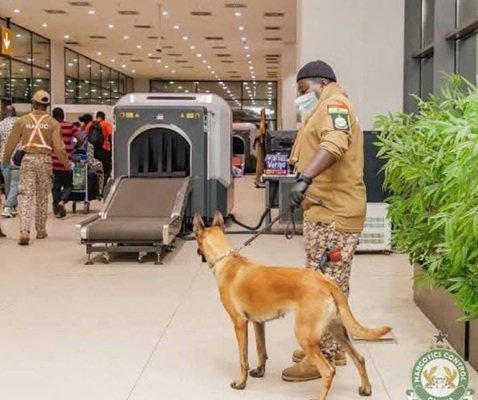
- Authorities should examine Ghana's aviation infrastructure and the controls in place to detect narcotics being loaded onto outbound flights.
- Financial intelligence units must be empowered to trace money flows connected to trafficking networks operating through Ghana.
- Where evidence exists, asset recovery proceedings should be pursued against those who profit from the trade.
"So far we haven't caught any of these financiers, as far as I know. And until we catch them, it's going to go on. If you don't get to the powers behind these things, we're going to go around in circles," Ms Bright warned. Her message is a challenge not just to NACOC but to the entire Ghanaian law enforcement and prosecutorial system: arrests without accountability at the top are not enough.
Source: MyJoyOnline


Comments (0)
Be the first to comment.