
Ghana's Diesel Subsidy Extended Into September as Government Maintains Fuel Price Relief
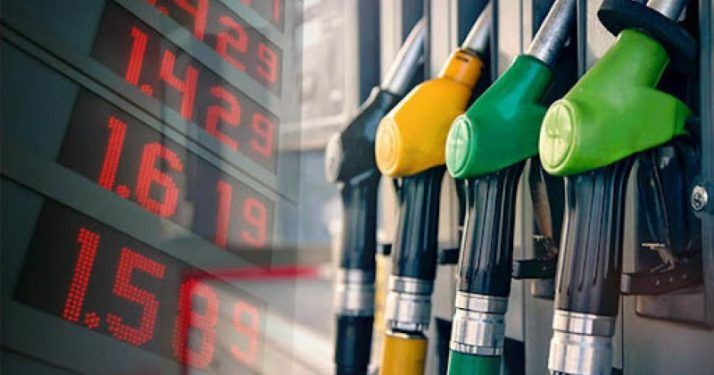
Ghana's government has extended its fuel subsidy programme into September, continuing to absorb GH¢2 from every litre of diesel sold at the pump, according to the Chief Executive Officer of the National Petroleum Authority (NPA), Godwin Edudzi Tameklo. The decision to prolong the intervention signals the administration's commitment to cushioning consumers and businesses against volatile global crude oil prices.
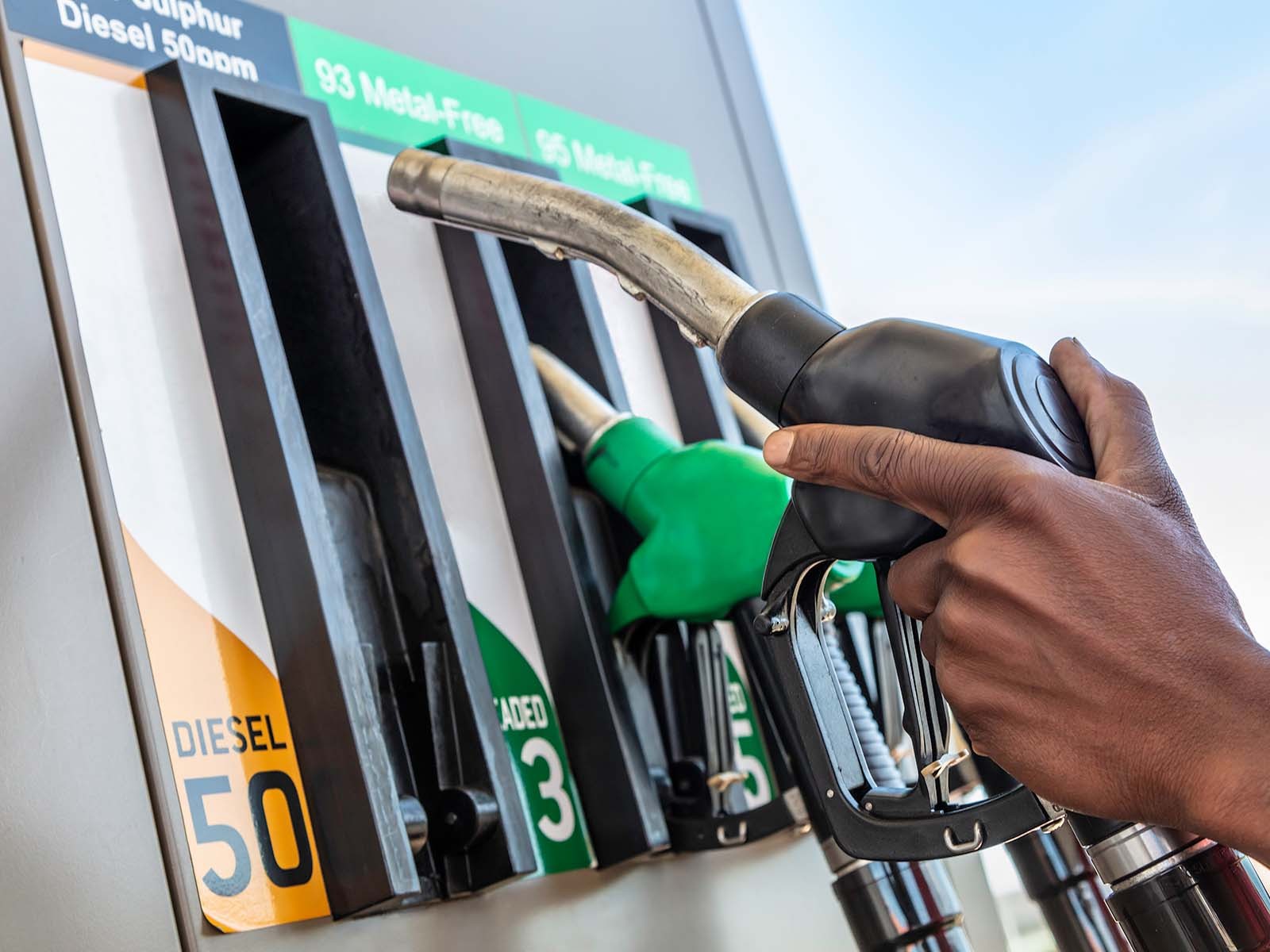
The diesel subsidy, which had been implemented as a temporary measure, now stretches into the new pricing window for September. This means transporters, manufacturers, and other diesel-dependent sectors will continue benefiting from reduced pump prices, as the government absorbs a significant portion of the wholesale cost.
Impact on Transport and Business Sectors
The extension of the GH¢2 per litre subsidy carries substantial implications for Ghana's transport and logistics industries. Public transport operators, haulage companies, and manufacturers who rely heavily on diesel have faced mounting operational costs in recent years due to global fuel price pressures and currency depreciation. By maintaining this relief, the government aims to prevent further increases in transport fares and goods prices, which would otherwise ripple through the economy and burden ordinary Ghanaians.
Small and medium-sized enterprises, particularly those in agriculture, commerce, and manufacturing, depend critically on predictable fuel costs for their business planning. The extended subsidy provides temporary certainty, though businesses remain aware that such interventions are typically unsustainable long-term without addressing underlying structural challenges in the energy sector.
Why This Matters for Ghana's Economy
Fuel subsidies are a double-edged policy tool for developing economies like Ghana. On one hand, they provide immediate relief to vulnerable populations and critical economic sectors. On the other hand, they strain government budgets, divert resources from investment in infrastructure and social services, and can create market distortions that discourage efficiency and alternative energy adoption.
Ghana has struggled with fuel subsidy sustainability for years. Previous attempts to remove or reduce subsidies have triggered public backlash, as citizens and businesses fear rapid price increases. The current extension suggests the government is prioritising short-term economic stability and social welfare over fiscal discipline, particularly given the country's ongoing International Monetary Fund (IMF) programme, which typically emphasises reducing state expenditure and removing market distortions.
The timing of this extension—into September—also reflects political and seasonal economic considerations. Fuel prices directly influence inflation metrics, transport costs affect the cost of living for ordinary Ghanaians, and keeping prices manageable during economic uncertainty supports consumer spending and business activity.
For Ghanaians, the extended diesel subsidy means petrol fares are likely to remain relatively stable, groceries may not see sharp price jumps driven by transport cost hikes, and manufacturers may avoid sudden price increases on goods. However, the sustainability of such measures remains uncertain, and citizens should monitor announcements from the NPA and government regarding future pricing windows beyond September.
Source: 3News
Comments (0)
Be the first to comment.