Ghana faces tighter global oil markets as world depletes strategic reserves
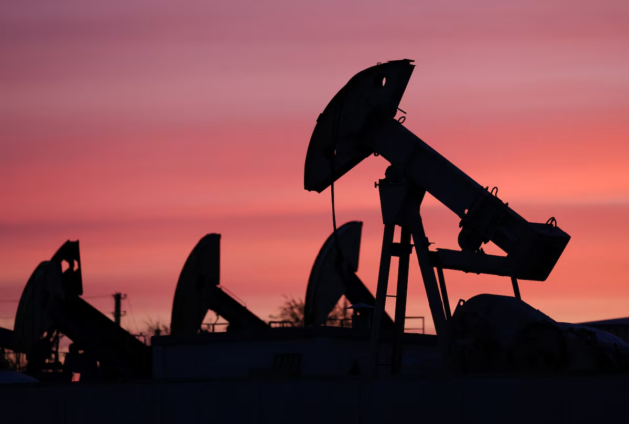
The world's cushion against oil supply shocks has nearly evaporated, leaving Ghana and other oil-importing nations exposed to sharper fuel price spikes as geopolitical tensions persist in the Middle East. Senior energy executives warned this week that with less than 6 billion barrels of commercially available oil stocks remaining globally—down from nearly 10 billion at the crisis's start—the market is becoming increasingly fragile and vulnerable to any new disruption.
For Ghana, an economy heavily dependent on imported petroleum products for transportation, electricity generation, and industrial operations, the tightening global oil market carries direct implications. When international oil reserves thin, supply shocks translate quickly into higher pump prices at home, straining household budgets and adding pressure to businesses already navigating currency headwinds and inflation.
The global oil crisis deepening
The Middle East conflict, now eight months old, has wiped out what was expected to be a global oil surplus. Earlier forecasts anticipated OPEC+ production cuts would ease as supplies increased from the Americas and elsewhere, creating a buyer's market. Instead, the disruption reversed that trajectory entirely.
According to Saudi Aramco CEO Amin Nasser, speaking at the Energy Intelligence Forum in London, roughly 3 billion barrels of gross oil supply have been lost since the crisis began—approximately half the crude and products that would normally flow through the Strait of Hormuz over the same period. Whilst some of this loss has been offset by drawing down global strategic reserves—more than 1 billion barrels released so far—the arithmetic is unsustainable.
"The system is already straining," Nasser stated. "With precious little else the world can turn to, the supply resilience cushion is scarily thin."
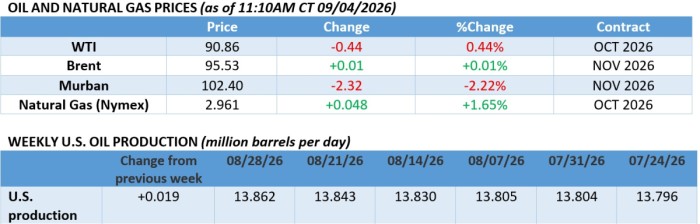
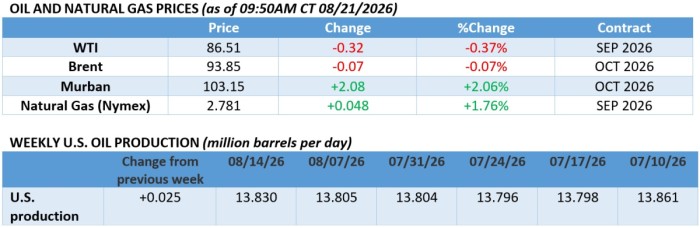
Crude prices have held around $100 per barrel for a month, and executives warn that with buffers depleted, even a single attack on Middle Eastern infrastructure could send prices sharply higher. The G7's announcement of releasing 100 million barrels failed to move prices materially, reflecting market scepticism that such measures can provide lasting relief.
Why it matters for Ghana
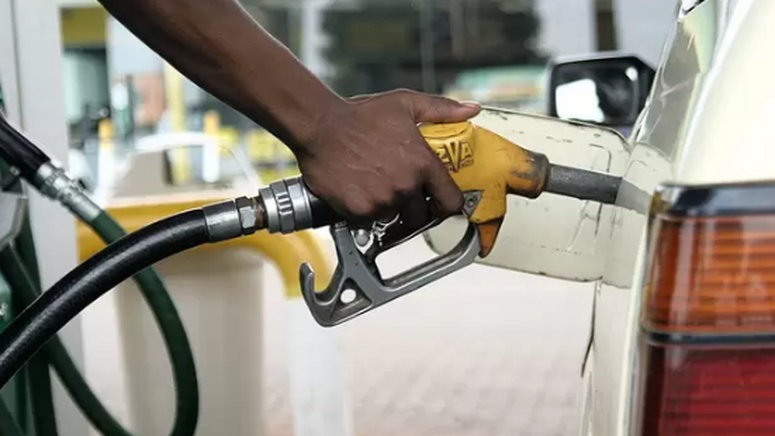
Ghana's economy remains vulnerable to oil price shocks. Whilst the country produces crude oil domestically, it still imports refined petroleum products and is exposed to global price movements. Higher international crude prices feed through to local fuel costs within weeks, affecting transport fares, food prices, and energy bills for households and businesses.
The Bank of Ghana and government have repeatedly cited fuel prices as a key driver of inflation. When global oil stocks are ample, price spikes tend to be temporary and manageable. But with the world now operating with minimal strategic reserves, any supply disruption risks becoming prolonged and severe, making it harder for the central bank to control inflation and for consumers to plan household expenses.
Furthermore, Ghanaian manufacturers and exporters face higher production costs when fuel prices climb, reducing their competitiveness in regional and global markets. The tightening oil market also complicates Ghana's own fiscal position, as higher energy costs ripple through the economy.
What comes next
Energy executives note that each time a supply scare emerges, "the floor sets a little bit higher," according to Chevron CEO Mike Wirth. This means oil prices are unlikely to fall as far during calm periods as they did previously, and spikes will reach higher levels during crises.
Vitol Group CEO Russell Hardy warned of an extreme scenario: without Middle Eastern oil flows continuing to squeeze through despite constraints, "you do have that $200 dollar a barrel scenario." Whilst such a price would be exceptional, even a sustained rise to $120–130 per barrel would substantially increase Ghana's import bill and add pressure to the cedi.
For Ghana's policymakers, the message is clear: energy security and price stability cannot be taken for granted. As global reserves dwindle and geopolitical risks persist, the country should prioritise efforts to boost domestic refining capacity, improve energy efficiency, and explore renewable energy expansion to reduce long-term exposure to volatile international oil markets.
Source: The Ghana Report

Comments (0)
Be the first to comment.