Global fuel crisis drives historic shift away from petrol cars—what it means for Ghana's transport future
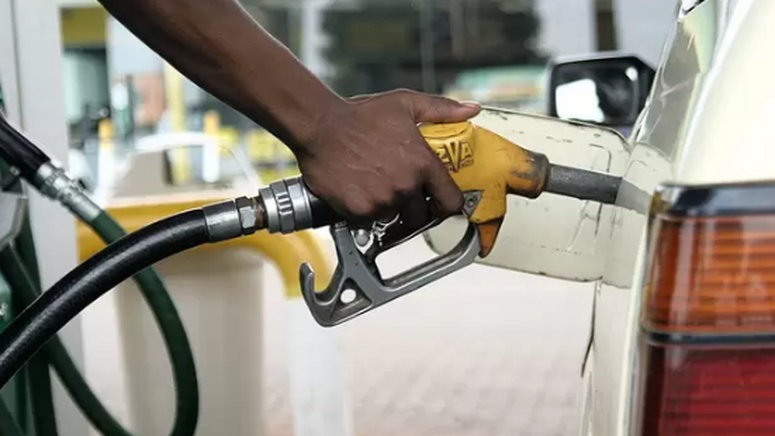
A historic milestone has been reached in the global automotive market: petrol-powered cars have fallen below 50% of worldwide sales for the first time ever, driven by a dramatic surge in fuel prices following Middle East disruptions. This represents a seismic shift in how the world buys vehicles, with far-reaching implications for Ghana's transport sector and fuel-dependent economy.
According to automotive analytics firm Mobility Global, between January and June this year, sales of traditional petrol vehicles dropped 10% compared to the same period last year, falling to 20.25 million units and representing just 49% of global car sales. The sharp decline marks a turning point in an energy transition that has been talked about for years but is now materialising rapidly across major markets.
The catalyst for this acceleration has been geopolitical turmoil in the Middle East, which disrupted oil supply and sent fuel prices to record highs. In Germany, for example, petrol prices reached an all-time high of €2.31 per litre—roughly equivalent to $10 per gallon. This price shock prompted consumers worldwide to reconsider their vehicle choices, with battery electric vehicles (BEVs) and hybrid cars proving far more attractive alternatives.
The EV surge reshaping major markets
The response from consumers has been dramatic. In Europe, BEV sales surged 52.2% in August compared to the previous year. Germany—Europe's largest car market—saw electric vehicle sales jump 75% year-on-year, with one in every three cars sold in August being purely battery-electric. France more than doubled EV sales, while developing markets have shown even sharper growth: Brazil, India, Australia, and Vietnam roughly doubled electric car sales between March and June compared to the same period last year.
The International Energy Agency reported that 50 countries achieved record-high EV sales in the second quarter of this year, and as many as 90 countries experienced annual growth in electric vehicle sales during the first half of the year. In Germany specifically, the government's decision to introduce purchase premiums for EVs from January 2026 has accelerated adoption further, with one in every four cars sold so far this year being electric.
Why this matters for Ghana
For Ghana, this global transition carries significant implications, both challenges and opportunities. Ghana's economy remains heavily dependent on fuel imports and petroleum products. The country imports refined petroleum products and faces consistent pressure on foreign exchange reserves when global oil prices spike—exactly the scenario driving this EV shift worldwide. As petrol cars decline globally, the secondhand vehicle market that supplies many Ghanaian consumers may shift dramatically, potentially offering cheaper access to used electric vehicles as developed markets transition away.
However, Ghana currently lacks widespread charging infrastructure, which remains a critical barrier to EV adoption. Most Ghanaians rely on relatively affordable used vehicles powered by petrol or diesel, and the upfront cost of electric vehicles—even secondhand—remains prohibitive for most households. The global push toward electrification could eventually reshape Ghana's transport sector, but only if supported by investment in charging networks, electricity generation capacity, and consumer financing mechanisms.
There is also potential opportunity. Ghana's mineral resources, particularly in battery materials, could position the country within emerging African electric vehicle supply chains. Additionally, as global automakers accelerate electrification, Ghana could become a strategic market for EV distribution and servicing across West Africa.
While fuel price volatility may continue to accelerate EV adoption globally, Ghana's transition will require deliberate policy planning, significant infrastructure investment, and strategies to ensure that the cost of electrification does not exclude ordinary Ghanaians from transport access. The global trend is clear; Ghana's challenge is preparing for it.
Source: The Ghana Report


Comments (0)
Be the first to comment.