Fuel relief failing Ghanaians: Amin Adam demands government scrap levies as diesel stays above GH₵18
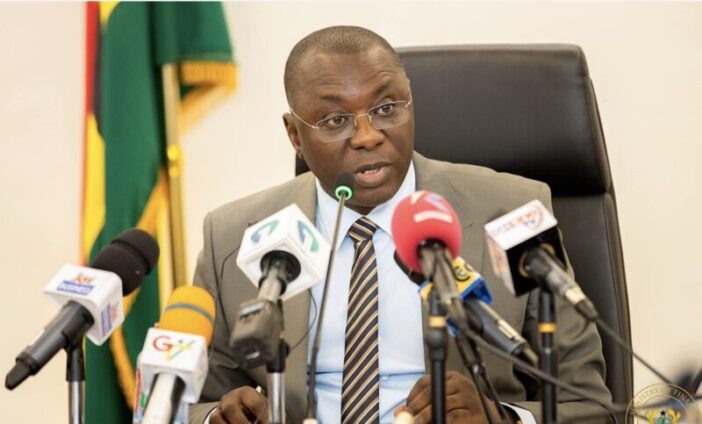
Ghana's fuel relief scheme is proving largely ineffective, according to Dr. Mohammed Amin Adam, the National Democratic Congress Ranking Member on Parliament's Finance Committee and former Finance Minister. Despite the government's GH₵2-per-litre intervention on fuel, diesel prices remain stubbornly between GH₵17.55 and GH₵18.99 per litre—suggesting consumers are seeing little real benefit from the support measure.
The problem, Dr. Amin Adam argues, lies in a structural contradiction in government policy. While authorities reduced pump prices through the intervention, they simultaneously introduced a GH₵1-per-litre levy on fuel products. This means half of the government's promised relief has been offset by the levy itself, effectively halving the consumer benefit from GH₵2 to GH₵1 per litre.
The hidden burden Ghanaians don't see
Beyond the direct levy, Dr. Amin Adam points to recent increases in taxes and levies on fuel oil—costs that ultimately cascade through the economy. Power producers and industries pass these charges to consumers through higher electricity bills and transport costs, multiplying the impact of expensive fuel on household budgets. For average Ghanaians already struggling with cost-of-living pressures, these hidden charges compound economic hardship.
The former Finance Minister also highlighted currency depreciation as a critical but often overlooked driver of fuel prices. The Ghanaian cedi has lost approximately 12% of its value against major trading currencies since the start of the year. Since Ghana imports all its petroleum products and international prices are quoted in foreign currency, a weaker cedi directly translates to higher petrol and diesel costs at the pump. This structural vulnerability means fuel price relief will remain temporary unless the underlying currency challenge is addressed.
Why it matters for Ghana
Fuel costs ripple across Ghana's entire economy. When diesel and petrol prices rise, transport operators increase fares, manufacturers pay more for logistics, and power producers boost electricity tariffs. These cascading increases hit poorest Ghanaians hardest, as fuel represents a substantial share of household spending and business operational costs. Small traders, commercial drivers, and rural communities dependent on transported goods experience disproportionate pain.
The government's current approach—temporary subsidies layered with new levies—lacks coherence. Dr. Amin Adam's argument is straightforward: if the state genuinely wants to ease fuel prices, it should undertake a comprehensive review of all petroleum-related taxes and consider suspending or removing levies that undermine relief efforts. He has referenced comparable tax relief measures used by the previous NPP administration, suggesting such approaches are feasible precedents.
Without structural reforms addressing the cedi's weakness, fuel taxation architecture, and international price exposure, Ghanaians will continue cycling through temporary relief announcements that deliver minimal real impact. Policymakers face a choice: commit to genuine, comprehensive intervention or acknowledge that current measures are insufficient and coordinate a multi-faceted strategy tackling currency, taxation, and imports simultaneously.
Source: The Ghana Report

Comments (0)
Be the first to comment.