NPP MP Accuses NDC of Hypocrisy Over Fuel Price Explanations and Governance
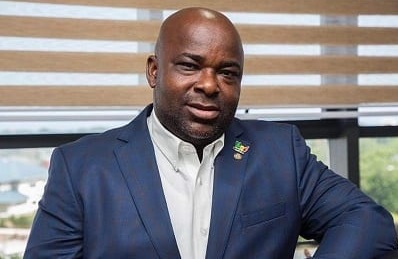
New Juaben South Member of Parliament Michael Okyere Baafi has launched a sharp critique of the National Democratic Congress (NDC) administration, accusing it of reversing its previous stance on fuel price explanations and silencing opposition voices on the issue.
Speaking on AsaasePa FM, Baafi highlighted what he describes as a fundamental contradiction in how the NDC government has addressed the ongoing fuel price crisis affecting Ghanaians. He pointed out that when the New Patriotic Party (NPP) previously attributed fuel price increases to external factors—specifically the Russia-Ukraine war—the NDC opposition rejected the explanation, questioning how a distant conflict could impact domestic fuel costs.
The Shift in Narrative
Now in government, Baafi argues, the NDC has adopted nearly identical reasoning to justify rising fuel prices, citing geopolitical tensions involving the United States, Israel, and Iran as contributing factors to Ghana's fuel challenges. The irony, according to the MP, is that the government now allegedly prevents opposition members from publicly criticising or challenging these explanations—a stark contrast to the NDC's aggressive opposition stance during the previous administration.
"When we said Russia and Ukraine were responsible for the adjustment of fuel prices, they asked us how a war happening far away could affect Ghana," Baafi noted, highlighting the perceived double standard. "Now that reality has caught up with them, they are also saying the US, Israel and Iran have burdened fuel prices in Ghana, but they are gagging opposition members from speaking up."
Broader Governance Concerns
Beyond the fuel price debate, Baafi extended his criticism to what he characterises as the NDC's overall approach to governance. He alleged that the party's fundamental strategy centres on what he described as a mission to "steal, kill and destroy," suggesting systemic mismanagement and corrupt practices. This strong language reflects deep partisan divisions currently playing out in Ghanaian politics.
Why It Matters for Ghana
The fuel price debate sits at the heart of Ghana's current economic challenges and public discontent. Rising fuel costs cascade through the economy, affecting transportation, food prices, electricity generation, and virtually every sector that Ghanaians depend on daily. How political parties explain—or fail to explain—these pressures directly impacts public trust in government and the opposition's credibility.
Baafi's accusations also touch on broader governance concerns: whether administrations are transparent with citizens about economic challenges, whether opposition voices face unfair restrictions, and whether parties maintain consistent principles or merely adopt convenient explanations depending on their political position. These questions matter because they reflect the health of Ghana's democratic institutions and accountability mechanisms.
The partisan nature of the criticism—with the NPP accusing the NDC of hypocrisy and poor governance—underscores the adversarial political climate as Ghana approaches future electoral cycles. Citizens seeking clarity on fuel prices and economic management face competing narratives from both sides, making it essential to evaluate claims critically and demand evidence-based policy discussions rather than purely political rhetoric.
Source: The Ghana Report

Comments (0)
Be the first to comment.