
2028 Election Race Heats Up: NDC Rebuilds Grassroots Structure While NPP Mobilises Behind Bawumia


Ghana's two dominant political parties are already shifting into campaign mode ahead of the 2028 presidential election, with sharply different strategic approaches emerging. The National Democratic Congress (NDC) is prioritising rebuilding its organisational machinery at the grassroots level, while the New Patriotic Party (NPP) is consolidating support around Vice President Mahamudu Bawumia's presidential bid.
The contrasting strategies reflect each party's assessment of their current political standing. For the NDC, which lost power in 2016, strengthening constituency-level structures represents an effort to reconnect with voters at the local level and rebuild the party infrastructure that was reportedly weakened during its years in opposition. This ground-level approach targets the most direct point of contact between national political movements and voters in communities across the country.
Why Constituency Executives Matter
Constituency party executives occupy a critical position in Ghana's electoral landscape. These officials bridge the gap between national party strategies and the specific concerns and dynamics of their local communities. They coordinate campaign activities, manage party resources at the district level, and often represent the face of the party to ordinary Ghanaians. Their effectiveness directly influences voter turnout, campaign momentum, and ultimately, electoral outcomes in individual constituencies.
For the NDC, investing in this tier of organisation signals a recognition that national campaigns are won or lost through the cumulative effect of strong local performance. The party's emphasis on building from the base suggests it is preparing for a competitive race where ground organisation will be decisive.
The NPP's Focus and the Road to 2028
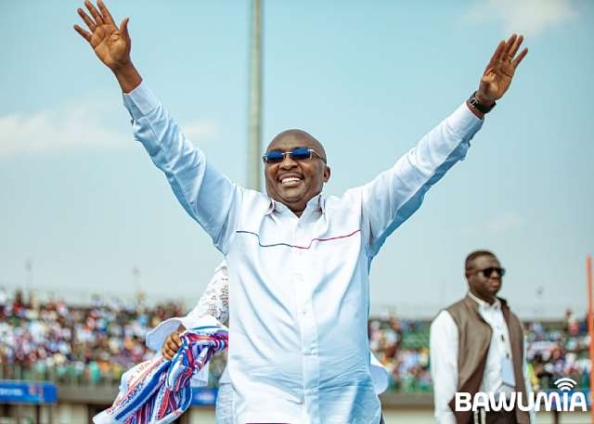
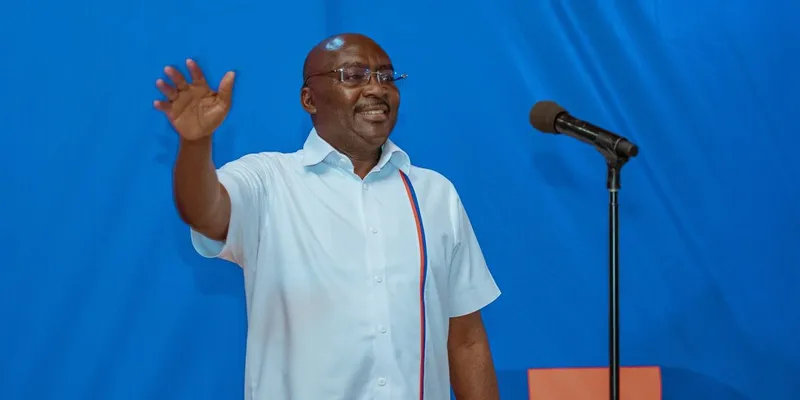
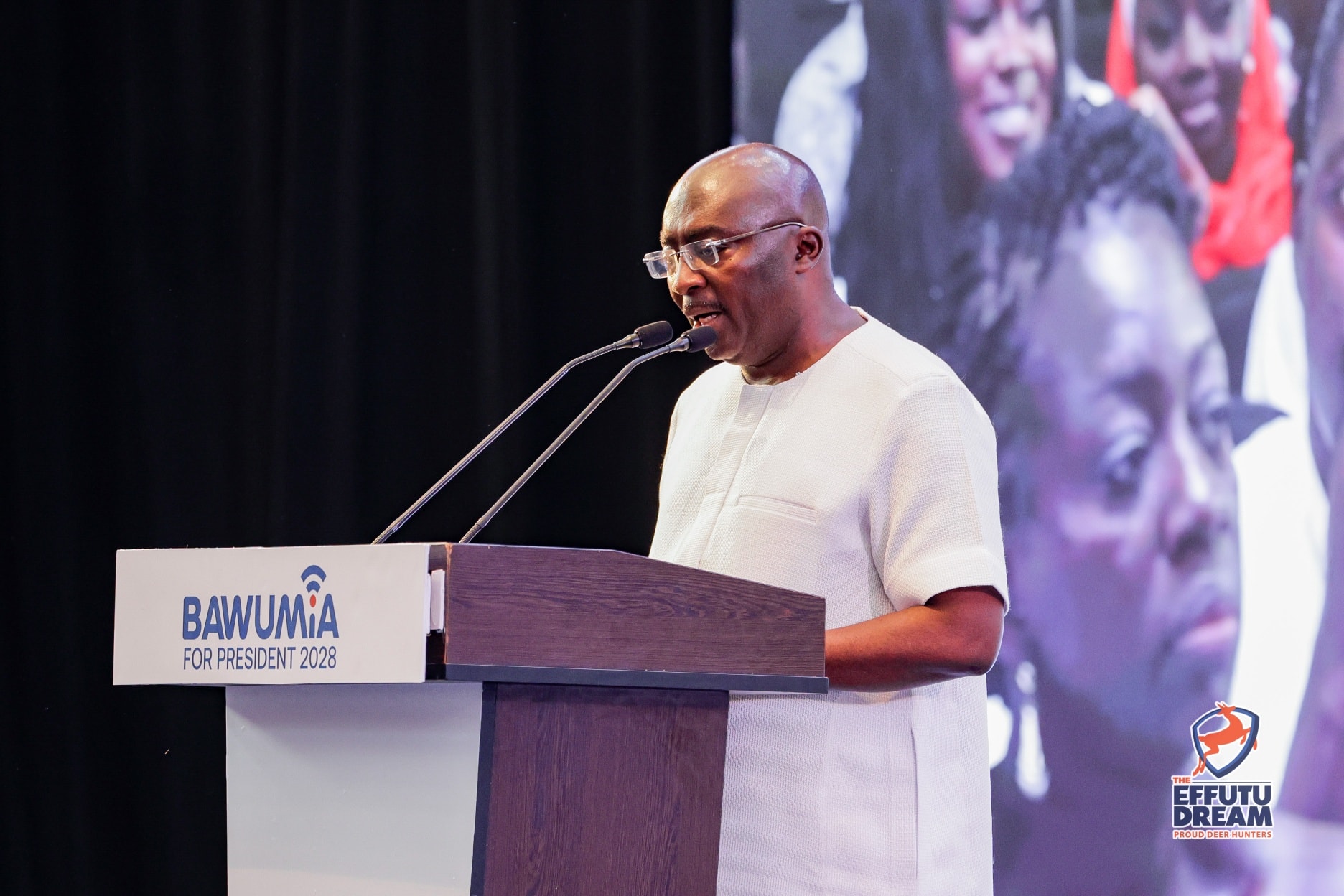
The NPP, by contrast, is consolidating around Bawumia's candidacy. As the sitting Vice President, Bawumia represents continuity and the opportunity for the party to seek a third consecutive term in office. The party's strategy of rallying behind his candidacy reflects confidence in his ability to lead the ticket and retain the presidency for the NPP.
However, both parties face the broader challenge of addressing voter concerns about economic performance, healthcare, education, and infrastructure—issues that typically dominate election cycles in Ghana. The party that better connects its grassroots organisation with responsive policy messaging is likely to have an advantage.
What This Means for Ghana's Political Landscape
The 2028 election is still years away, but early strategic moves by both the NDC and NPP suggest the race will be fiercely contested. The NDC's focus on rebuilding constituency structures indicates the party believes the 2024 election results, while disappointing for the party, did not fundamentally alter the competitive balance in enough constituencies to make the next election unwinnable. Meanwhile, the NPP's backing of Bawumia signals the party's confidence in its ability to retain power under new leadership.
For Ghanaians, this competition at the grassroots level should mean increased political activity and engagement in communities, though voters will ultimately judge both parties on their track records and policy proposals. The next four years will be critical for both organisations as they seek to position themselves for what promises to be another closely watched electoral contest in West Africa's most stable democracy.
Source: 3News

Comments (0)
Be the first to comment.