
NPP's Chris Lloyd charts youth-led comeback strategy ahead of 2028 elections
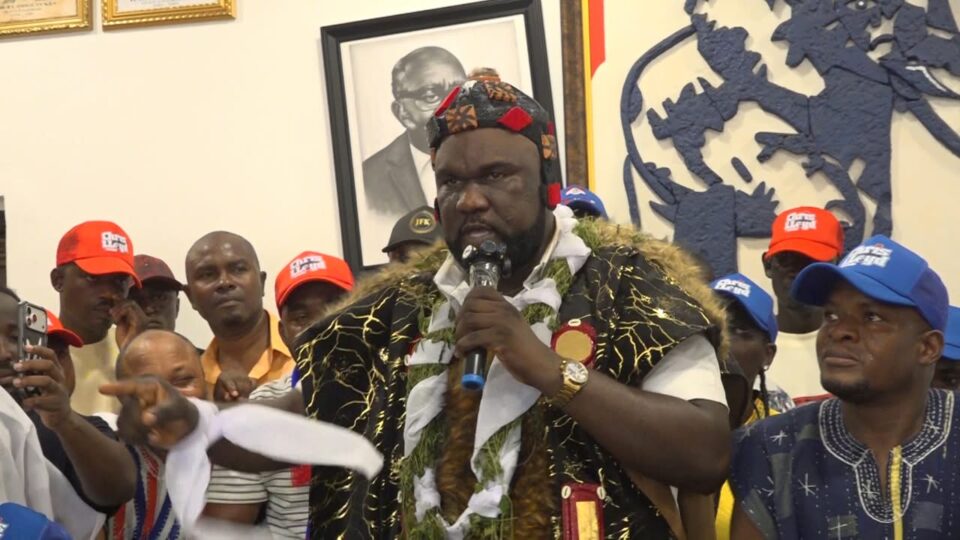
Chris Lloyd Nii Kwei Asamoah, the Deputy National Organiser of the New Patriotic Party, has thrown his hat into the ring for the National Youth Organiser position, pledging to lead a grassroots-driven revival aimed at returning the NPP to power in the 2028 general elections. His announcement comes as the party prepares for internal restructuring following the NDC's victory in the 2024 elections.
Lloyd, who submitted his nomination forms at NPP headquarters in Accra, is banking on nearly two decades of party mobilisation experience and deep grassroots networks to win the confidence of delegates. He frames his candidacy as rooted in practical electoral experience rather than political rhetoric, emphasising his long track record of community engagement and party organisation.
Building strength from the ground up
Lloyd's campaign strategy centres on grassroots revitalisation. He argues that the NPP's path to recovery runs through strengthened local structures, wider youth engagement, and community-level organising. His experience in the Odododiodio Constituency serves as a case study in his pitch—highlighting his ability to mobilise voters at the constituency level, where general elections are often won or lost.
According to Lloyd, his support base extends beyond formal party structures into local communities, giving him what he describes as one of the strongest foundations among competing candidates. This emphasis on breadth of support—spanning both party hierarchies and grassroots members—reflects a broader NPP concern: the party's need to rebuild confidence among voters and activists after losing the 2024 presidential election to the NDC.
His candidacy also signals the intense internal competition within the NPP as the party prepares for its national executive elections, scheduled for October 3. Multiple aspirants are competing for key positions, each offering their own vision for the party's recovery and electoral strategy.
Why it matters for Ghana
The NPP's internal reorganisation has direct implications for Ghana's political landscape. With the NDC now in government, the quality and effectiveness of opposition party structures will shape how Ghanaians engage with alternative political voices over the next four years. A rejuvenated NPP youth wing, if successfully rebuilt, could influence voter mobilisation patterns, campaign strategies, and the tone of public discourse leading into 2028.
Youth engagement in politics remains critical for Ghana's democracy. The National Youth Organiser position is not ceremonial—it shapes how a major political party connects with younger voters who make up a significant portion of the electorate. The effectiveness of this role directly affects voter turnout, grassroots campaign capacity, and the party's ability to contest elections competitively.
Lloyd's focus on grassroots structures also touches on a broader Ghanaian political concern: how political parties maintain organisational strength during opposition periods. Many observers note that parties in government naturally command more institutional resources and media attention, potentially leaving opposition structures weakened. Lloyd's emphasis on ground-level organising may resonate with NPP members anxious about maintaining party momentum during their time outside government.
The wider leadership contest
Lloyd's entry into the race adds to what is shaping up as a competitive election for party leadership positions. The NPP's October 3 elections will determine not only the youth organiser role but the broader executive leadership that will steer the party's strategy toward 2028. As multiple candidates present their visions, the party's membership will effectively be choosing between different organisational philosophies and leadership styles.
For Ghanaians monitoring opposition politics, the NPP's internal elections will offer signals about how the party intends to operate in opposition—whether through aggressive grassroots mobilisation, focus on institutional reforms, or alternative strategies. These choices, made by party delegates in the coming weeks, will shape the electoral landscape Ghanaians will encounter in 2028.
Source: The Ghana Report


Comments (0)
Be the first to comment.