Presidential Aide Defends Afi Agbenyo's EC Deputy Chair Appointment Amid Partisan Concerns
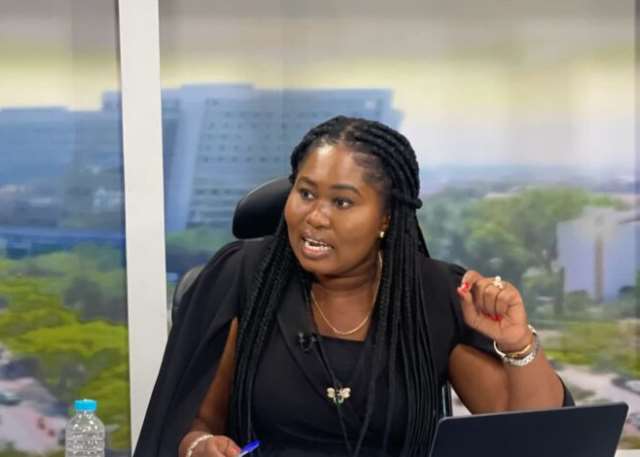
The controversy surrounding Emelia Afi Agbenyo's appointment as Deputy Chairperson of the Electoral Commission has intensified, with a presidential staffer mounting a robust defence of the nominee against opposition claims that her involvement in National Democratic Congress (NDC) campaign activities disqualifies her from an independent electoral role.
Beatrice Annan, speaking on Citi FM on Monday, October 12, 2026, argued that Agbenyo's participation in political campaigns—particularly her role as spokesperson for the NDC's manifesto committee on governance—should not be conflated with partisan bias or lack of neutrality. Annan emphasised that Agbenyo has never been a formal NDC party member and has demonstrated no conduct suggesting she would compromise the independence required for the Electoral Commission position.
The Appointment and Opposition Challenge
Agbenyo was appointed alongside Dr Joseph Kweku Asamoah as the two new Deputy Chairpersons of the Electoral Commission, appointments that immediately drew criticism from the opposition New Patriotic Party (NPP). The party has questioned her suitability, pointing specifically to her visible involvement in NDC campaign work and governance-related advisory roles.
The NPP's concerns reflect broader anxieties about electoral independence—a sensitive issue in Ghana's multi-party democracy. The party's questioning of Agbenyo's appointment raises the question of whether political engagement, even on policy-specific issues, should automatically disqualify individuals from electoral positions.
The Case for Agbenyo: Advocacy Over Allegiance
Supporters of Agbenyo's appointment point to her professional credentials and track record in gender advocacy. She has served as a technical adviser and gender analyst with GIZ Ghana, work that demonstrates expertise in policy-focused areas rather than partisan politics. Her defenders argue that her involvement in NDC campaigns was driven by specific policy objectives—particularly advancing women's representation in leadership—rather than formal party loyalty.
The defence strategy also highlights apparent instances where Agbenyo has demonstrated independence from the NDC. In 2016, she reportedly criticised the NDC's governance record, and ahead of the 2024 elections, she warned that gender advocates could campaign against the party if it failed to retain a female running mate. These positions, her supporters contend, demonstrate that her political engagement has been shaped by principled advocacy rather than partisan affiliation.
Why This Matters for Ghana's Electoral Independence
This dispute touches on a fundamental tension in Ghana's democratic governance: how to balance electoral independence with the reality that many professionals and advocates have engaged in political activism. Ghana's Electoral Commission is constitutionally mandated to be independent, and public confidence in its neutrality is essential for electoral credibility.
The controversy also reflects broader concerns about how the government fills independent institutional positions. The presidential administration has followed constitutional procedure by presenting nominees to the Council of State more than a month before swearing-in, with stakeholder consultations undertaken. However, the selection of individuals perceived as close to the governing party inevitably raises questions about the composition of supposedly neutral institutions.
For Ghanaians, this appointment debate carries practical significance. Electoral Commission leadership directly affects how elections are conducted, regulated and managed. Public perception of the commission's impartiality influences voter confidence and, by extension, the legitimacy of election outcomes. If citizens doubt the independence of electoral officials, democratic participation and acceptance of results can be undermined.
The resolution of this controversy will likely depend on how Agbenyo conducts herself in the position. Her track record on gender policy and professional standards will be scrutinised alongside her actual decision-making on electoral matters. Ghana's multi-party system requires that independent institutions remain genuinely independent in practice, not merely in theory or administrative procedure.
Source: MyJoyOnline

Comments (0)
Be the first to comment.