Teachers call off strike after securing government deal on pay and promotions
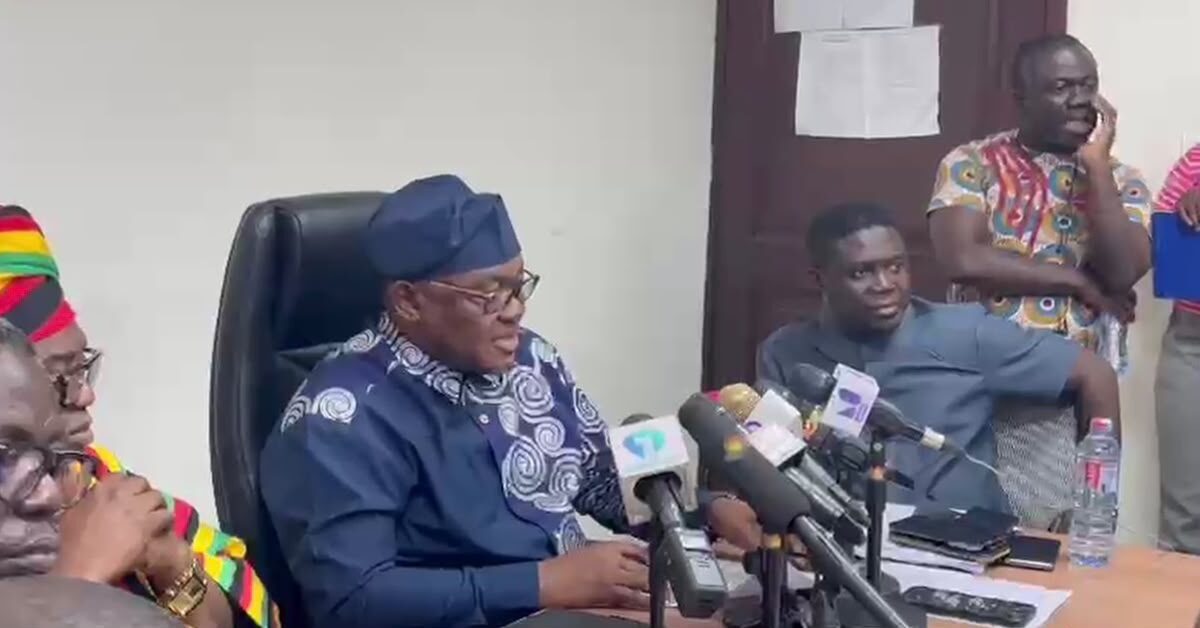
Ghana's teacher unions have suspended their ongoing strike after reaching a landmark agreement with the government to resolve longstanding disputes over promotions, salary adjustments and allowances. The deal, brokered through intensive negotiations, marks a significant step toward restoring industrial peace in the education sector and provides a clear roadmap for resolving financial grievances affecting thousands of educators.
According to Dr George Smith-Graham, Chief Executive of the Fair Wages and Salaries Commission (FWSC), both parties have signed off on detailed modalities to implement the agreement. The breakthrough came after weeks of engagement between government representatives and teacher union leadership, highlighting the commitment from both sides to find common ground on compensation and working conditions.
Payment timeline and implementation schedule
The agreement establishes a phased payment plan designed to clear outstanding salary arrears for promoted teachers. Some 52,000 promoted teachers will receive their adjusted salaries on October 16, 2026, with the remaining promoted staff receiving their payments by the end of October that year. This structured approach aims to minimise disruption to the public purse whilst ensuring teachers receive their due compensation within a reasonable timeframe.
Additionally, payments related to the collective agreement between the unions and government will commence from January 2027, providing further relief to the teaching workforce. The agreed modalities will serve as the implementation framework for these payments and other conditions negotiated during the dispute resolution process.
What this means for Ghana's education sector
The suspension of the strike represents a critical victory for both educators and the government at a time when industrial action threatens to disrupt the academic calendar and disadvantage millions of students. Teacher strikes have historically caused significant interruptions to learning, potentially affecting examination schedules and academic progress, particularly for students preparing for crucial national assessments.
For Ghana's education system, this agreement signals stability and the resumption of normal classroom activities. Teachers can now return to their duties with confidence that their grievances are being formally addressed through a government-backed plan. The inclusion of new allowances, though details remain to be disclosed, suggests recognition by the government of the need to improve teacher remuneration packages beyond base salaries.
However, the success of this agreement will ultimately depend on strict adherence to the implementation timeline. Teachers and unions will likely monitor government compliance closely, particularly regarding the October 2026 payment deadline for promoted staff. Any delays or deviations from the agreed schedule could trigger renewed industrial action and further erode public sector productivity.
The broader context
Teacher compensation remains a perennial challenge in Ghana's public sector. Disputes over salaries, allowances and promotion protocols have regularly led to strikes, reflecting persistent tensions between government capacity to pay and educator expectations. This agreement, facilitated through the Fair Wages and Salaries Commission, demonstrates the value of structured dialogue in resolving such disputes.
The involvement of the FWSC—an institution tasked with ensuring fair compensation across the public service—suggests a more systematic approach to addressing teacher grievances going forward. With clear timelines and signed commitments from both parties, this model may serve as a template for resolving similar disputes in other sectors of the economy.
Education stakeholders and parents will be hoping that both the government and teacher unions remain committed to the agreed terms, ensuring minimal disruption to the school calendar and uninterrupted learning for Ghanaian students in the months ahead.
Source: MyJoyOnline



Comments (0)
Be the first to comment.