Council of State mediates teacher strike crisis as classroom closures persist across Ghana
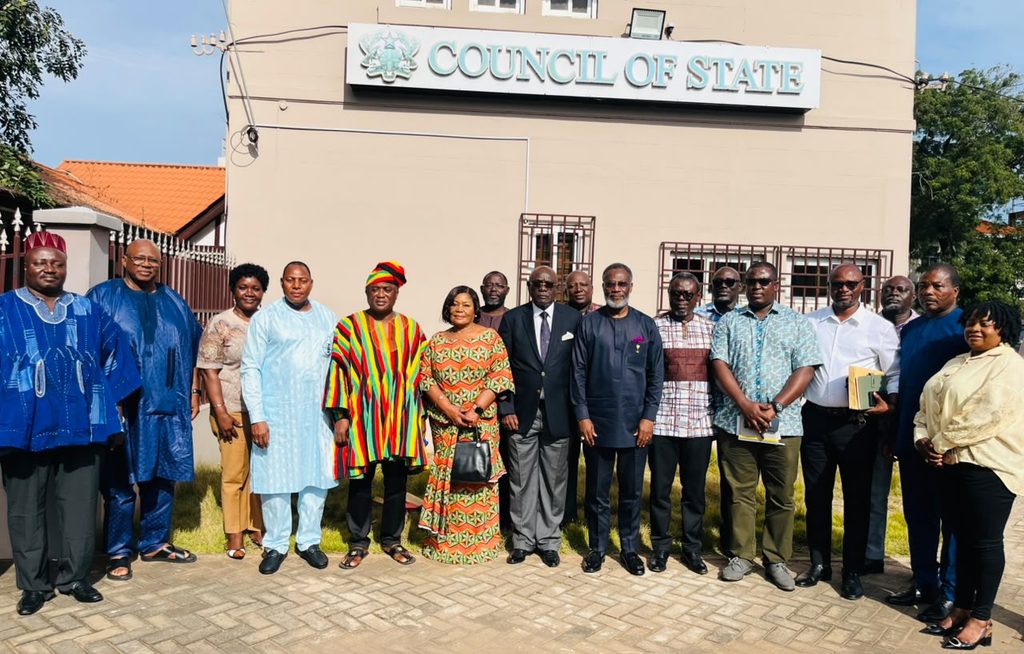
Ghana's education system remains in limbo as negotiations intensify to end a nationwide strike by pre-tertiary teachers that has emptied classrooms and kept pupils at home. The Council of State has stepped into the dispute, hosting representatives from the major teacher unions on Friday to discuss the grievances driving the industrial action.
Speaking after the meeting, Council of State Chairman Edward Korbly Doe expressed cautious optimism, describing the engagement as productive. "Our children are at home. Our teachers too are also at home. The classrooms are empty," Doe noted, acknowledging the real human cost of the stalemate. He confirmed that both parties had conducted a thorough review of the teachers' concerns point by point.
Key issues at the heart of the dispute
The strike centres on several long-standing grievances that have frustrated Ghana's teaching workforce. Teachers have demanded urgent action on delayed promotions that have stalled career progression, implementation of deprived-area allowances to support educators working in remote communities, and finalisation of a new Collective Bargaining Agreement with the Ministry of Education. These issues reflect deeper concerns about teacher welfare and recognition within Ghana's education sector.
Three major unions—the Ghana National Association of Teachers (GNAT), the National Association of Graduate Teachers (NAGRAT), and the Pre-Tertiary Education Teachers Association of Ghana (PRETAG)—have maintained a united front throughout the action, signalling their resolve to see these matters resolved before returning to classrooms.
The negotiation pathway ahead
The Council of State meeting represents one layer in a complex negotiation process. Following their discussion with the Council, teacher representatives are scheduled to engage further with the Fair Wages and Salaries Commission (FWSC), the body responsible for advising on public sector compensation. The unions have committed to inviting the Council of State to subsequent discussions once the FWSC meeting concludes, creating a structured pathway for dialogue.
Doe pledged that the Council would remain engaged throughout this process: "We will stand by to hear from them." This commitment suggests sustained mediation efforts rather than a one-off intervention.
Why it matters for Ghana
Teacher strikes carry profound implications for Ghana's educational outcomes and economic development. Every day of classroom closure disrupts learning for hundreds of thousands of pupils, with the poorest students often suffering most when formal schooling halts. In Ghana's context, where education access remains uneven across urban and rural areas, strikes disproportionately harm children in disadvantaged communities.
The strike also highlights structural issues within Ghana's public sector. Teacher compensation remains a recurring flashpoint in public sector labour relations, reflecting broader fiscal pressures on the government budget and questions about how education spending is prioritised. The involvement of the Council of State—a constitutionally mandated advisory body—underscores the seriousness with which the issue is being treated at the highest levels.
For the government, prolonging the dispute risks damaging its credibility on education policy, a key campaign platform for most administrations. For parents and pupils, each day of closure means lost learning time that cannot easily be recovered, particularly as national examinations approach.
The coming days will be critical. How swiftly the FWSC engages with union leadership, and whether room exists for compromise on promotion timelines and allowances, will determine whether classes resume soon or whether the standoff deepens further.
Source: MyJoyOnline


Comments (0)
Be the first to comment.