Teachers' unions call on President Mahama to end ongoing strike action

Three prominent teachers' unions in Ghana have made a direct appeal to President John Mahama to step in and resolve an ongoing strike that has disrupted the nation's education system. The Greater Accra Regional leadership of the Ghana National Association of Teachers (GNAT), the National Association of Graduate Teachers (NAGRAT), and the Pre-Tertiary Teachers Association of Ghana (PRETAG) have collectively urged the President to prioritise urgent intervention in the labour dispute.
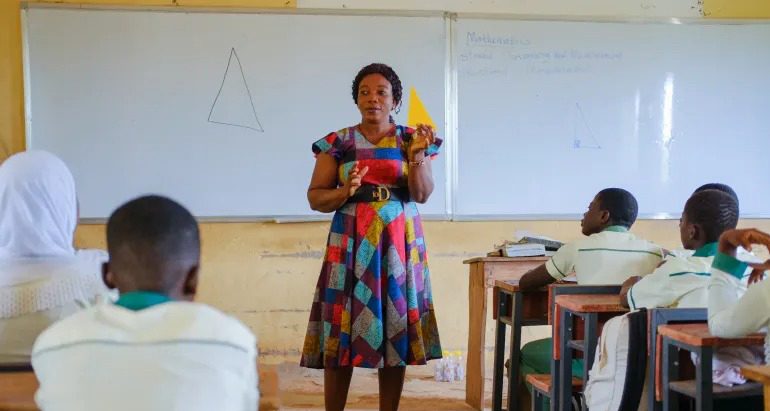
The appeal comes as the strike continues to impact classroom activities across the country, leaving thousands of students without regular instruction. The three unions represent a significant portion of Ghana's teaching workforce and carry substantial influence in the education sector.
Why it matters for Ghana
Teachers' strikes directly affect Ghana's education sector, which remains critical for national development. When teachers withdraw labour, students—particularly those preparing for critical exams or in foundational years—fall behind academically. This disruption has ripple effects across the economy, as parents struggle with childcare and work productivity suffers.
President Mahama's administration has made education a stated priority, so how his government responds to this appeal will signal the seriousness of that commitment. The education sector has faced recurring strikes over compensation, conditions of service, and other welfare issues, making this an ongoing challenge that requires durable solutions rather than temporary fixes.
The involvement of three major unions—GNAT, NAGRAT, and PRETAG—indicates broad-based teacher discontent. When these organisations unite on an issue, it suggests grievances span different teacher categories and regions, making the dispute harder to ignore or dismiss.
The background and road ahead
Teachers' unions in Ghana have historically used strike action as a tool to press government for better remuneration, improved conditions of service, and resolution of longstanding grievances. Previous strikes have resulted in negotiations, though Ghanaians have often witnessed cycles of industrial action when demands are not fully met or implemented.
The unions' decision to appeal directly to President Mahama rather than solely engage with the education ministry suggests they may believe high-level political pressure is necessary to unlock resources or policy changes. This move could indicate that negotiations at lower levels have stalled or that teachers believe only presidential intervention carries sufficient weight.
Key issues in past teacher disputes have included delayed salary payments, lack of housing allowances, professional development opportunities, and senior high school teachers' concerns about workload and classroom facilities. The current strike's specific demands have not been fully detailed in available reports, but these themes commonly resurface.
For the government, resolving this strike quickly is important to restore stability to schools and demonstrate responsiveness to public sector workers. However, any solution must address root causes to prevent future disruptions. Ghana's education outcomes—already challenged by infrastructure gaps and learning deficits—cannot afford repeated strikes that truncate the academic year.
Parents and students remain the collateral damage in such disputes, with vulnerable learners in remote areas and those from disadvantaged backgrounds typically hit hardest. The longer the strike continues, the greater the risk of learning loss and the more difficult it becomes to recover lost academic time.
Source: 3News


Comments (0)
Be the first to comment.