
TUTAG gives government two weeks to clear payments or face renewed strike action

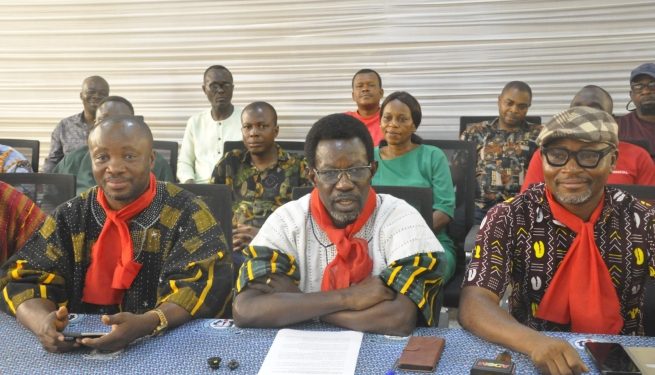
Ghana's Technical University Teachers' Association (TUTAG) has set a firm fourteen-day ultimatum for the government to secure Ministry of Finance clearance for outstanding payments to staff on post-retirement contracts, with union leadership warning that industrial action could resume if the deadline passes unmet.
The ultimatum follows negotiations held on Wednesday, October 28, between TUTAG, the Ghana Tertiary Education Commission (GTEC), and Vice-Chancellors of Technical Universities of Ghana. According to TUTAG General Secretary Dr. Francis Nustugah, the union is considering a temporary suspension of its ongoing strike to allow institutions time to resolve the payment backlog, though he stressed that formal approval from TUTAG's congress remained pending at a scheduled meeting on Thursday, October 29.
The payment impasse and proposed resolution
At the centre of the dispute lies a significant delay in compensating teaching staff employed on post-retirement contracts—a persistent issue within Ghana's technical education sector. While Ghana's Finance Minister did not attend Wednesday's negotiations, TUTAG leadership received assurances that direct engagement with the minister would be arranged to pursue Cabinet approval and obtain the necessary payment clearance within the two-week window.
Dr. Nustugah explained the union's conditional approach: "If the two weeks comes and the clearance is not given for the people to be paid, yes, what we would do on our part is to find out what is happening, what are the bottlenecks and all of that. The moment we are facing challenges nothing stops us from returning to our strike."
The General Secretary emphasised that any pause in industrial action amounts to a suspension rather than permanent resolution, underscoring TUTAG's commitment to ensuring delayed payments are fully processed within the agreed timeframe.
Why it matters for Ghana
TUTAG strikes directly affect technical university operations and thousands of students pursuing vocational and technical education—a critical pathway for Ghana's workforce development. Technical universities train professionals in engineering, agriculture, health, and applied sciences essential to economic growth and industrialisation.
Beyond immediate campus disruptions, unresolved payment disputes damage staff morale and retention within Ghana's tertiary education system. Post-retirement contract workers, often experienced academics, play a vital role in teaching and mentoring; delayed compensation undermines their livelihoods and the sector's ability to retain expertise.
The confrontation also reflects broader challenges in Ghana's public sector: budget constraints, bureaucratic delays in payment authorisation, and the struggle to honour contractual obligations. How the government handles this two-week deadline will signal its commitment to resolving similar grievances across the tertiary education sector and beyond.
What happens next
The immediate focus shifts to whether Finance Ministry officials can navigate Cabinet processes and secure approval before the deadline expires. Success would avert fresh strike action and demonstrate government responsiveness; failure risks renewed industrial action that could extend into the academic calendar, disrupting teaching and assessments.
TUTAG's measured approach—suspending rather than ending the strike—provides space for negotiation, but the union has made clear its willingness to return to the picket line if clearance is not granted. The coming fortnight will test whether government machinery can move swiftly enough to satisfy the union's demands and keep Ghana's technical universities operational.
Source: The Ghana Report



Comments (0)
Be the first to comment.