
Technical Universities Resume Classes After TUTAG-GTEC Agreement Ends Strike
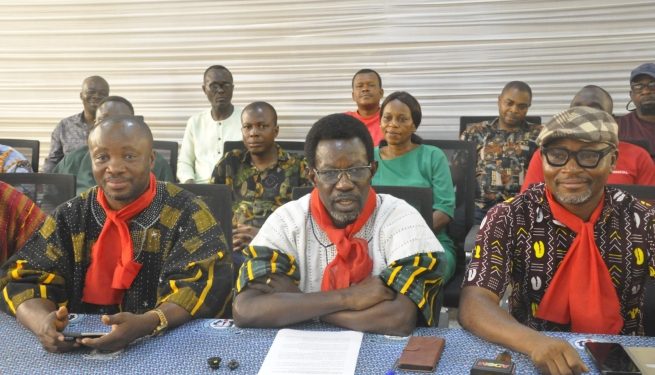

Ghana's technical universities are set to welcome students back to classrooms following a pivotal truce between the Technical University Teachers' Association of Ghana (TUTAG) and the Ghana Tertiary Education Commission (GTEC), reached on Wednesday, October 28, 2026. The agreement ends weeks of industrial action that had jeopardised the academic calendar and placed thousands of students' studies at risk across the nation's technical education institutions.
The strike, which had paralysed teaching and learning activities, stemmed from longstanding grievances affecting academic staff at technical universities. The union had escalated tensions by withdrawing its labour over three interconnected issues: payment delays for staff on post-retirement contracts, a new doctorate requirement for career advancement, and the proper classification of academic librarians within the academic structure.
Key Concessions Secured
The breakthrough agreement represents significant wins for TUTAG on multiple fronts. On the salary dispute affecting post-retirement contract staff—a particularly contentious issue—GTEC has committed to facilitating a direct meeting with the Finance Minister, university leaders, and union representatives by November 14, 2026. This escalation to ministerial level signals government recognition of the urgency surrounding payment delays that have affected staff members long overdue for compensation.
Regarding career progression, GTEC has granted a crucial waiver on the mandatory PhD requirement for Assistant Lecturers and Assistant Research Fellows. Staff members who had already met their institutions' promotion criteria before July 31, 2025, will no longer be blocked by the doctorate mandate—a concession that removes a major barrier to career advancement for many educators.
On academic librarians' status, GTEC has formally indicated it has no objection to reclassifying these professionals as full academic staff, as TUTAG demanded. The University Librarians Association will now prepare a technical framework for implementation, moving the matter from dispute toward structured resolution.
Why It Matters for Ghana
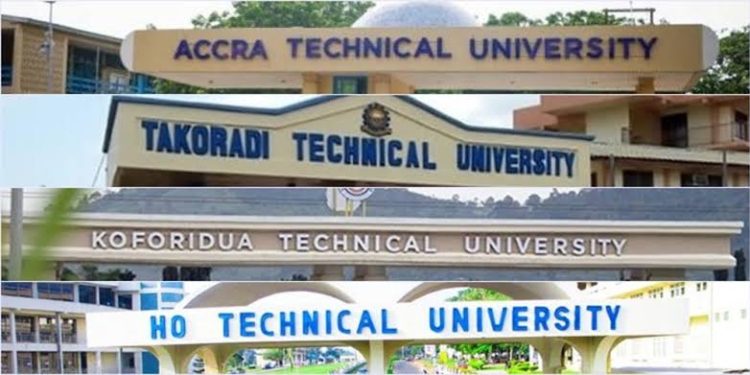
This strike and its resolution carry significant implications for Ghana's technical and vocational education sector, which feeds skilled workers into the nation's economy. Technical universities train engineers, technologists, and other professionals essential for industries ranging from construction to manufacturing and energy. When these institutions close, students lose classroom time, institutions lose momentum on their academic calendars, and employers face delays in accessing fresh talent.
Beyond immediate classroom disruption, the dispute highlighted systemic issues within Ghana's tertiary education: chronic payment delays affecting dedicated staff, unclear career pathways that discourage qualified educators, and administrative inconsistencies in how different academic professions are valued and recognised. The agreement to address these—even if phased—suggests policymakers recognise that sustainable tertiary education requires addressing staff concerns.
For students specifically, the resumption of classes prevents potential academic year slippage and protects the integrity of degree programmes. Many students had already lost weeks of instruction; any further delays risk cascading effects through graduation timelines and professional licensing exams.
Next Steps and Ongoing Dialogue
TUTAG has committed to consulting its general membership to suspend the strike immediately, though formal negotiations continue. The parties have agreed to maintain sustained dialogue—a commitment all stakeholders emphasised as essential to preventing future industrial disruptions.
The agreement framework shows both compromise and recognition that some issues require sustained engagement. The November 14 Finance Ministry meeting will be critical; if payment delays are not resolved promptly, industrial tensions could resurface. Similarly, implementation of the academic librarians' reclassification will depend on the quality of the technical framework and commitment to execution.
For Ghana's technical universities, this resolution offers immediate relief—classrooms can reopen, teaching can resume, and students can progress toward their qualifications. Longer-term stability, however, will require follow-through on all three commitments and demonstration that government takes seriously its obligations to tertiary education staff.
Source: MyJoyOnline


Comments (0)
Be the first to comment.