
Ghana's Technical Universities and GTEC Reach Agreement on Staff Payment Crisis


Ghana's technical universities and the Ghana Tertiary Education Council (GTEC) have reached consensus on several critical workplace issues, marking a significant step towards resolving long-standing labour tensions affecting staff welfare across the sector.
The agreement addresses a range of concerns that have plagued the technical education system, with particular focus on the payment of workers engaged on post-retirement contracts—a matter that has created considerable hardship for affected staff members and their families.
The Core Issue: Post-Retirement Contract Payments
One of the most pressing matters resolved relates to employees hired on post-retirement agreements by technical universities. These workers, often experienced professionals retained beyond normal retirement age to support institutional operations, have faced persistent delays and gaps in salary payments. The non-payment crisis has left many pensioners in precarious financial positions, unable to meet basic obligations whilst waiting for institutional reimbursements.
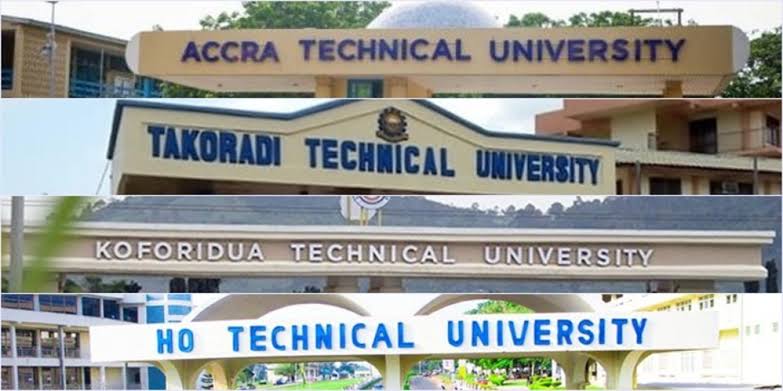
Technical universities across Ghana—including institutions in Kumasi, Takoradi, Tamale, and other regions—have struggled with budgetary constraints that hindered timely remuneration of contract staff. The agreement between GTEC and university leadership is expected to establish clearer payment protocols and timelines to prevent future arrears.
Broader Industrial Harmony Framework
Beyond the post-retirement payment crisis, the stakeholders agreed on several other key issues aimed at fostering industrial peace within the technical university system:
- Standardised employment terms and conditions across all technical institutions
- Improved communication channels between management and workforce representatives
- Regular review mechanisms to address emerging staff welfare concerns
- Clearer guidelines on contract renewals and role clarifications
The agreement represents a collaborative approach to resolving disputes that have occasionally resulted in strikes and work stoppages, disrupting academic calendars and affecting students' educational progression.
What This Means for Ghana's Technical Education Sector
Technical universities form a critical pillar of Ghana's tertiary education system, training students in applied sciences, engineering, business, and vocational fields essential for national development. When labour disputes plague these institutions, the entire ecosystem—from student progression to workforce development—suffers disruption.
The resolution of payment issues and the establishment of industrial harmony frameworks strengthen institutional stability and employee morale. This is particularly important for attracting and retaining experienced lecturers and administrative staff who are vital to delivering quality technical education.
For students, stable operations mean uninterrupted academic calendars and consistent access to facilities and tuition. For the broader economy, well-resourced technical institutions produce graduates equipped with practical skills demanded by Ghana's growing industrial and service sectors.
The GTEC and technical university leadership's proactive engagement in resolving these issues demonstrates commitment to sustainable human resource management. However, the real test will be implementation—ensuring that agreed protocols translate into prompt payment of staff and genuine improvements in workplace conditions across all technical universities nationwide.
Source: 3News


Comments (0)
Be the first to comment.