Education Ministry schedules crisis talks with university unions as Ghana's academic calendar hangs in balance

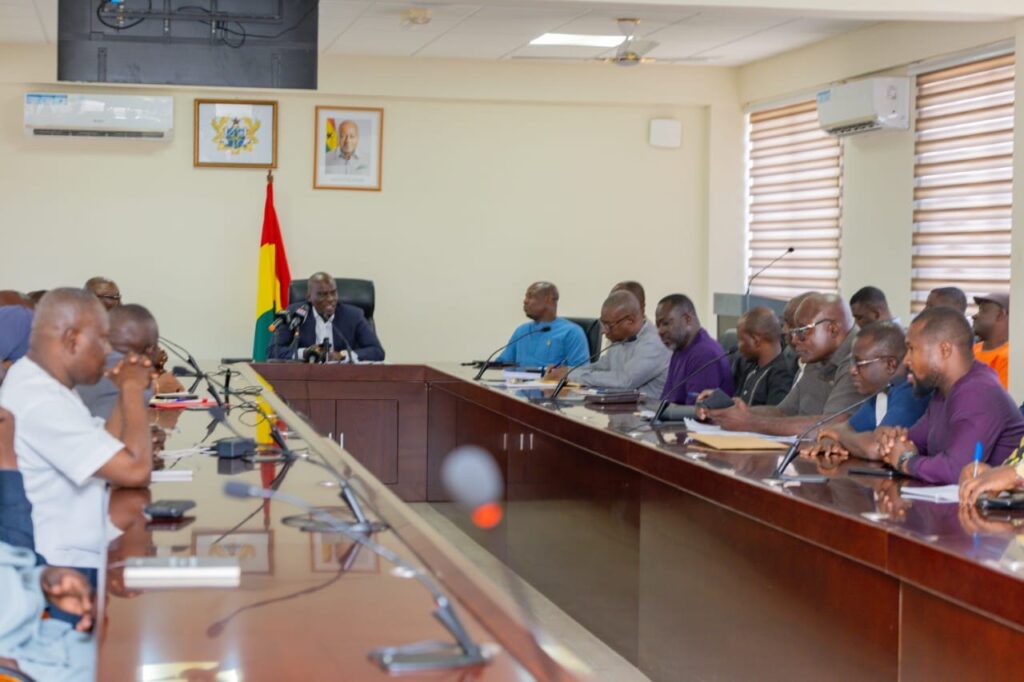
The Ministry of Education has convened an urgent meeting scheduled for 12 October 2026, bringing together the leadership of the Ghana Tertiary Education Workers' Union (GAUA) and the Ghana Tertiary Education Commission (GTEC) in a bid to break the deadlock that has paralysed Ghana's university system. The move signals government's determination to find a swift resolution to industrial action that has left students unable to attend lectures and complete their academic programmes.
The strike, which has disrupted academic activities across Ghana's public universities, has raised concerns among parents, students, and education stakeholders about the potential long-term impact on the nation's higher education sector and the quality of graduates entering the workforce.
The crisis so far
University staff have downed tools over a range of grievances, with disputes typically centring on salary conditions, working arrangements, and terms of service. The escalation to strike action represents a breakdown in negotiations and underscores the frustration among tertiary education workers over unresolved concerns that have persisted across multiple academic cycles.
The gathering of all key stakeholders—government representatives, union officials, and tertiary education administrators—suggests recognition from both sides that continued deadlock serves no one. Students have borne the brunt of the industrial action, with lecture halls empty and examination schedules thrown into disarray.
Why it matters for Ghana
University strikes represent more than just temporary inconvenience; they threaten Ghana's human capital development at a critical juncture. The nation relies on its tertiary education system to produce graduates in critical fields including healthcare, engineering, education, and technology—sectors essential to national development and economic competitiveness.
Each day of disruption compounds the challenge facing students who are losing valuable learning time and facing uncertainty about when their programmes will resume. For final-year students, delays risk pushing graduation timelines and entry into the job market into subsequent years, creating cascading effects across the economy.
The government's willingness to convene urgent talks indicates awareness of the issue's urgency. However, the success of the October 12 meeting will depend on whether both sides can bridge their differences on the core issues driving the strike. Previous labour disputes in Ghana's education sector have sometimes required weeks of negotiation before resolution, meaning swift breakthrough cannot be assumed.
Next steps and expectations
The outcome of this meeting will largely determine whether students can expect a swift return to campus or face extended disruption. Observers will be watching closely to see whether government is prepared to make concrete concessions on worker demands, and whether union leadership believes those concessions adequately address member grievances.
For the thousands of Ghanaian university students currently unable to pursue their studies, the success of these talks could mean the difference between completing their programmes on schedule or facing semester delays that extend their time to graduation by months or longer.
Source: 3News
Comments (0)
Be the first to comment.