Education Minister meets university union in bid to end administrative staff strike
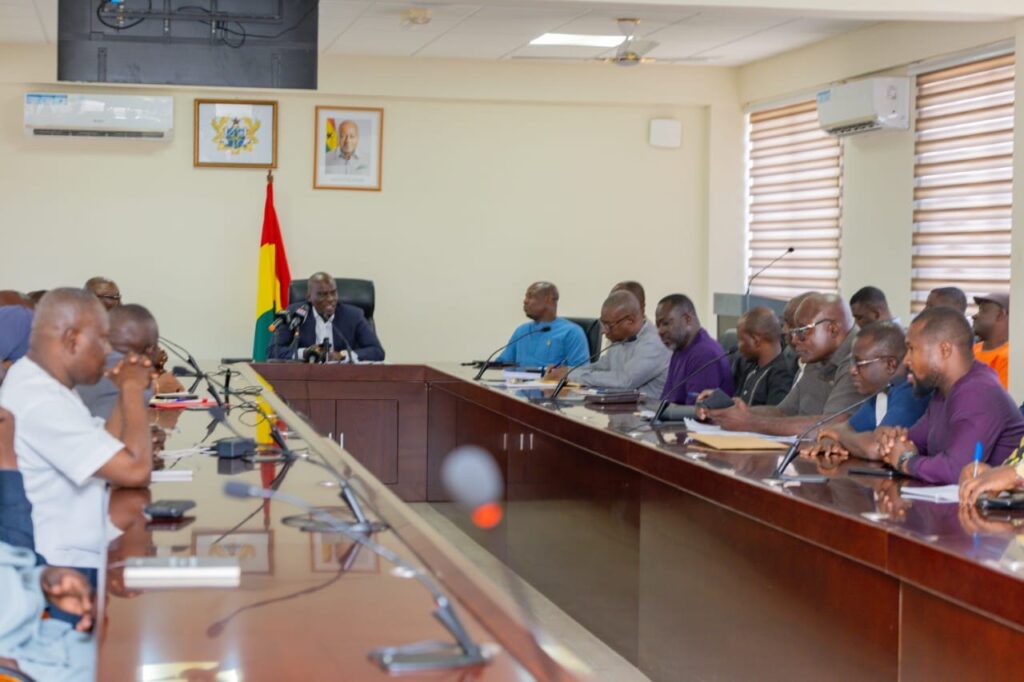
Education Minister Haruna Iddrisu has held talks with leaders of the Ghana Association of University Administrators (GAUA) and university management representatives to resolve the ongoing strike by university administrative and professional staff.
The meeting addressed multiple grievances that have prompted the industrial action, with union leaders describing the engagement as productive. However, the strike remains in effect whilst the union consults with members on the outcome and is expected to report back within 48 hours.
Key issues under negotiation
At the heart of the dispute are concerns about salary adjustments, market premiums, job evaluation, staff equivalences, conditions of service, outstanding allowances, retirement arrangements and staff placement.
A major sticking point has been the implementation of a negotiated salary adjustment and how it is being treated as an interim market premium. The union has called for a fresh job evaluation to ensure that remuneration properly reflects the current responsibilities of administrative and professional staff working across Ghana's tertiary institutions.
The Minister welcomed this proposal and committed to engaging the Fair Wages and Salaries Commission on conducting a new evaluation. He also gave assurances regarding a long-outstanding research allowance, citing an April 2026 letter from the Deputy Minister of Finance requesting validated beneficiary data to process payments. Mr Iddrisu directed that the required information be submitted to the Ministry of Finance and pledged to follow up on the process.
Outstanding issues including staff equivalences, step-down arrangements and concerns raised by the Ghana Tertiary Education Commission regarding striking staff were noted by the Minister for further examination.
Why it matters for Ghana
University strikes in Ghana have historically disrupted academic calendars, delayed student admissions and hindered administrative operations across the tertiary education system. The current industrial action comes at a critical juncture as institutions prepare for the new academic year and work to restore normal academic cycles following previous disruptions.
The outcome of this negotiation will have ripple effects on thousands of students seeking admission, ongoing academic programmes and the broader stability of Ghana's higher education landscape. Beyond the universities themselves, these disputes reflect broader public sector challenges around fair compensation, job evaluation and conditions of service that affect confidence in government employment.
The strike also raises questions about how effectively salary adjustments and allowances negotiated by government are implemented across different public institutions, particularly when treated as temporary or interim measures rather than permanent recognition of staff contributions.
Path forward and government commitment
The Minister emphasised the need to restore industrial harmony on campuses and urged all parties to exercise restraint and avoid inflammatory statements that could worsen tensions. He appealed to the union to suspend the strike and return to negotiations, whilst university management representatives warned that the action was hampering admissions and essential administrative functions.
The government has committed to engaging the Ministry of Finance, the Fair Wages and Salaries Commission and other relevant bodies to help resolve outstanding concerns. Stanley Abofam, National President of GAUA, and Rev. Kweku Kakereyamwa indicated they would present the meeting outcome to union members within two days and communicate their next steps to the Minister.
Source: MyJoyOnline
Comments (0)
Be the first to comment.