University Administrators Call Off Strike, Set Wage Talks for Late August
The Ghana Association of University Administrators (GAUA) has paused its strike action, signalling a temporary truce in an escalating labour dispute affecting Ghana's tertiary education sector. Members are returning to work from Wednesday, August 19, 2026, with the suspension set to remain in place until after a critical negotiation meeting scheduled for Tuesday, August 25 with the Fair Wages and Salaries Commission (FWSC).
The decision by GAUA's National Executive Committee reflects a strategic pivot toward dialogue rather than continued confrontation. The association has directed all members to resume their duties at universities across the country, though the temporary nature of the suspension makes clear that further action remains possible if negotiations stall.
What triggered the dispute
While the source does not detail the specific grievances that prompted the original strike, GAUA's decision to suspend action and seek engagement with multiple stakeholders—including the FWSC, Ghana Tertiary Education Commission (GTEC), and the Education Minister—suggests compensation and working conditions remain at the heart of the dispute. University administrators occupy a critical middle-management role in Ghana's higher education system, responsible for the smooth operation of institutions that train the nation's professionals and researchers.
The timing of the August 25 meeting is significant. It provides a two-week window for GAUA and government bodies to narrow their positions before a decision point that could either resolve the impasse or reignite industrial action.
Why it matters for Ghana
Strikes in the tertiary education sector carry real consequences for Ghana's academic calendar and institutional stability. Universities serve as engines of national development, producing graduates across critical fields from engineering and medicine to education and business. Prolonged disruptions disrupt examinations, academic planning, and student progression—impacts that ripple through the economy.
Beyond immediate operational concerns, GAUA's willingness to negotiate signals broader anxieties within Ghana's civil and public service workforce about wage competitiveness and cost-of-living pressures. The Fair Wages and Salaries Commission's decisions on university administrator compensation can set precedent for other skilled public sector workers facing similar economic strain.
For students and families, the suspension offers relief. University closures or extended disruptions force students to lose academic ground and place financial strain on households depending on timely graduation timelines.
Next steps and expectations
GAUA has thanked members for their solidarity during the industrial action and urged continued commitment as formal negotiations proceed. The association has also asked members to await further directives following the August 25 meeting, which will determine whether the suspension becomes permanent or industrial action resumes.
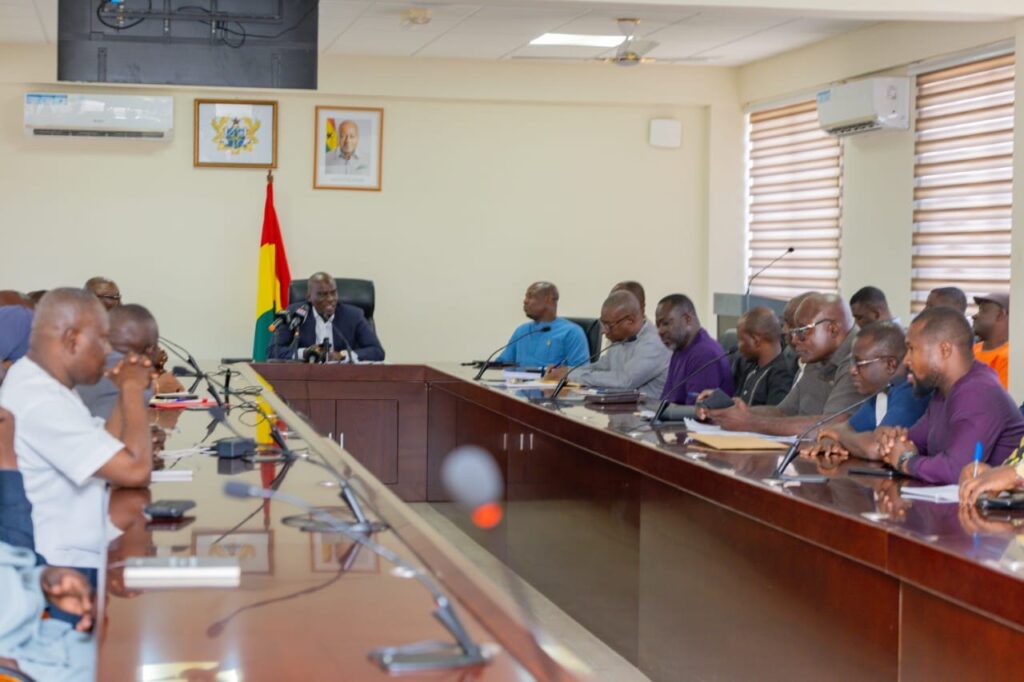
The involvement of multiple government agencies—FWSC, GTEC, and the Education Ministry—suggests negotiations will be complex, requiring alignment across different administrative bodies responsible for education sector funding and policy.
Given that GAUA has chosen temporary suspension over prolonged strike action, there is cautious optimism that stakeholders recognise the stakes. However, without significant movement on the core issues, university administrators may return to the picket line.
Source: MyJoyOnline
Comments (0)
Be the first to comment.