Education Ministry schedules urgent talks with teacher unions to resolve nationwide strike
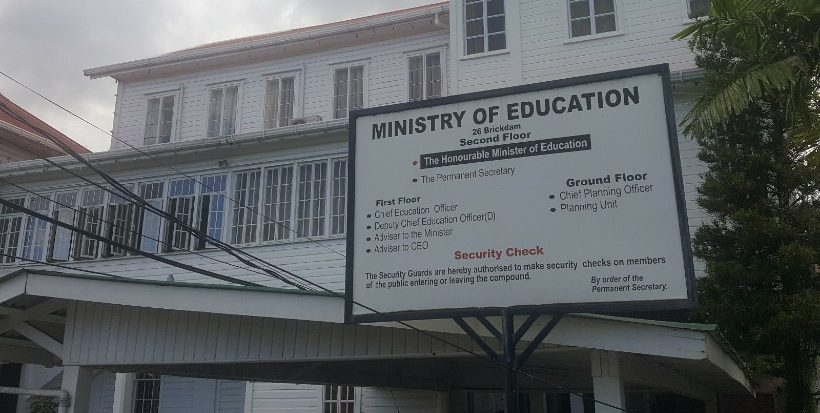
Ghana's Ministry of Education is moving swiftly to resolve a nationwide strike by pre-tertiary teachers that began on Friday, September 25. Education Minister Haruna Iddrisu will lead talks with union leadership on Monday, September 28, as the government attempts to end the industrial action and prevent further disruption to the academic calendar.
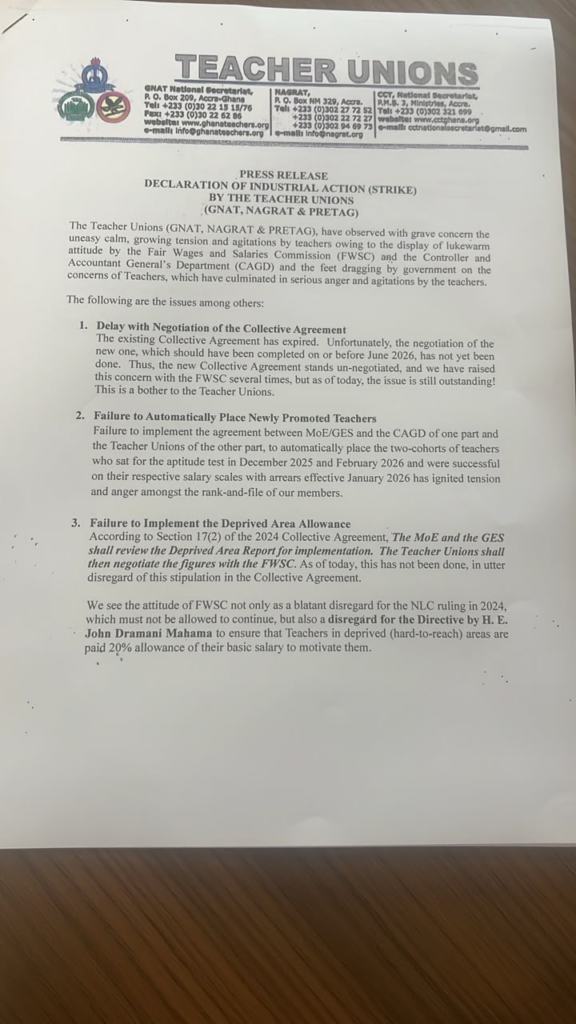
The strike centres on longstanding grievances, principally unpaid promotion arrears and delayed negotiations between the government and teacher unions. Press Secretary Hasmin Mohammed confirmed the meeting during a September 25 interview, emphasising that resolving these issues requires coordination between multiple government agencies, not just the Education Ministry alone.
A multi-agency challenge
One of the key obstacles to swift resolution is the involvement of several institutions beyond the Education Ministry. The Fair Wages and Salaries Commission and the Controller and Accountant-General's Department both play roles in addressing teachers' pay and allowances. Mr Mohammed indicated that Monday's meeting would bring these agencies together with union representatives to facilitate direct engagement and accelerate problem-solving.
The complexity of Ghana's public sector pay architecture means that unpaid promotion arrears cannot be resolved unilaterally by Education officials. Instead, the government intends to use the meeting as a forum where all stakeholders can coordinate their efforts and identify pathways forward. This approach signals the Ministry's acknowledgement that teacher grievances are legitimate and require structural solutions rather than temporary measures.
Why it matters for Ghana
The timing of this strike carries particular weight for Ghana's education system. In recent years, the academic calendar has faced repeated disruptions, forcing the government to shift the school year to align with international standards. Pupils and students from kindergarten through to university level only recently began reporting to school in September—a restoration of normalcy that took considerable effort.
A prolonged teacher strike threatens to unravel this progress. Each day of industrial action costs pupils and students valuable instructional time, particularly affecting examination classes and terminal year cohorts. For a country already grappling with learning outcomes and educational quality concerns, sustained classroom closures compound existing challenges.
Beyond the classroom, teacher strikes highlight ongoing tensions within Ghana's public sector wage management. The fact that promotion arrears remain unpaid underscores systemic delays in processing legitimate salary entitlements. For a profession already facing recruitment and retention challenges, unresolved financial disputes risk deepening teacher disengagement and pushing experienced educators toward private institutions or emigration.
The government's decision to convene a multi-agency meeting rather than delay negotiations signals recognition of the urgency. However, the strike's success in drawing immediate high-level attention also demonstrates the leverage teachers' unions hold over Ghana's education system—a reminder that addressing their concerns cannot be perpetually deferred.
Monday's engagement will be closely watched by the broader public sector workforce. How the government resolves teacher grievances may influence expectations among other civil servants facing similar pay-related disputes, making this negotiation significant beyond education alone.
Source: The Ghana Report

Comments (0)
Be the first to comment.