Technical Universities Strike Suspended as Government Renews Pay Negotiations
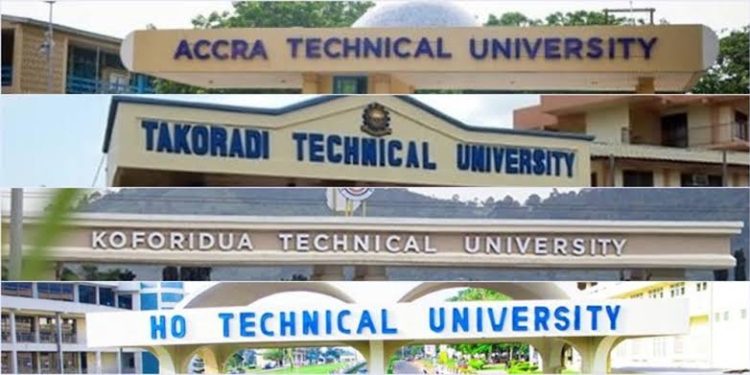
Ghana's technical universities are returning to normal operations following the temporary suspension of a strike by the Technical Universities Senior Administrators Association (TUSAAG), which paused its industrial action after renewed discussions with the Ministry of Education and related government bodies.
The suspension took effect immediately, with TUSAAG members instructed to resume their regular duties whilst negotiations continue on the core grievances that sparked the action in the first place. The move represents a cautious step towards resolving longstanding salary-related disputes that have disrupted academic and administrative functions across the technical university system.
What Prompted the Strike
TUSAAG initiated the industrial action to pressure the government to disburse a promised one-time research allowance that had not been paid to administrators. Additionally, the association sought full implementation of a negotiated interim allowance agreement, claiming the government had failed to honour these commitments. These unresolved financial obligations created tension between the administrators and education authorities, ultimately leading to the strike action.
In a joint statement issued alongside the Ghana Association of University Administrators (GAUA), TUSAAG acknowledged commitments from key stakeholders including the Ghana Tertiary Education Commission (GTEC), Vice Chancellors Ghana, and the Vice Chancellors of Technical Universities Ghana to engage in focused, time-bound discussions aimed at settling the outstanding issues.
Why It Matters for Ghana
The suspension of this strike is significant for Ghana's higher education landscape, particularly for technical universities which play a crucial role in developing skilled workforce across engineering, technology and applied sciences sectors. Prolonged disruptions in these institutions can compromise academic calendars, affect student learning outcomes, and damage the quality of Ghana's technical and vocational education system—a sector vital for national industrial development and competitiveness.
The dispute also reflects broader challenges within Ghana's tertiary education sector regarding the timely fulfilment of negotiated agreements and the financial commitments made to academic and administrative staff. Technical university administrators occupy critical positions in institutional management, and their frustration signals deeper systemic issues around government budget allocation and payroll administration in the education sector.
By resuming negotiations, the government has signalled willingness to engage with stakeholders, though the temporary nature of this suspension underscores the fragility of the agreement. TUSAAG has made clear that it reserves the right to resume industrial action without notice if the discussions with the Fair Wages and Salaries Commission (FWSC) do not produce satisfactory results within a reasonable timeframe.
Next Steps and Conditions
TUSAAG emphasised that the strike suspension was made in good faith to allow social dialogue to flourish and pave the way for lasting resolution. The association thanked its members for their solidarity and discipline during the action, and acknowledged public patience during the disruption.
However, the conditional nature of the suspension means both sides face pressure to deliver results. The government and its agencies must demonstrate concrete progress on disbursing the research allowance and fully implementing the interim allowance agreement. Failure to do so could trigger renewed industrial action, further destabilising the technical university sector at a time when Ghana needs these institutions functioning optimally.
The coming weeks will be critical in determining whether genuine progress can be made on these long-standing grievances or whether the technical universities will face fresh disruptions.
Source: The Ghana Report


Comments (0)
Be the first to comment.