
Ghana Secures Strong Re-Election to ITU Council, Extending Two Decades of Global Telecoms Influence
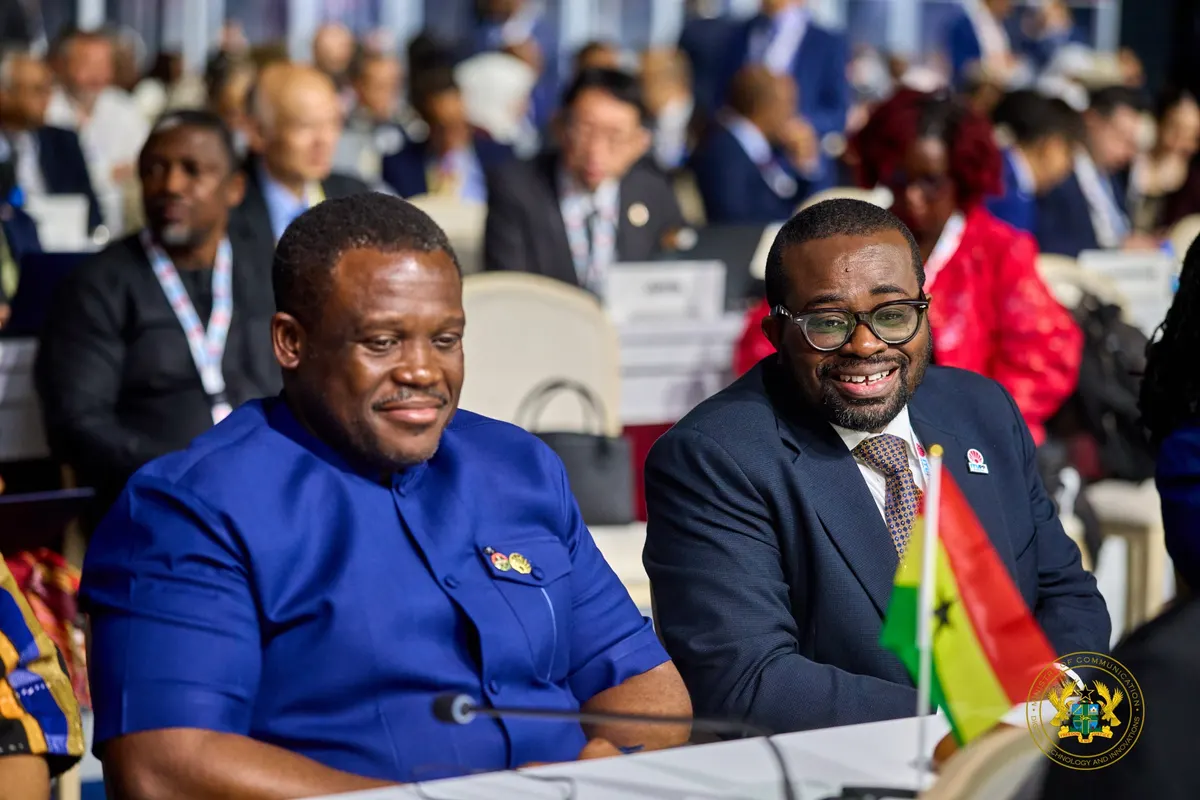

Ghana has once again earned its seat at the world's foremost telecommunications decision-making table, securing re-election to the International Telecommunication Union (ITU) Council with an impressive 121 out of 173 valid votes. The result was announced at the ITU Plenipotentiary Conference 2026 (PP-26), held in Doha, Qatar, confirming Ghana's continued presence in the Council's Region D grouping — the category covering Africa and the Arab states.
A 24-Year Unbroken Record of Service
Ghana's latest electoral victory is not merely a routine win — it marks the extension of an unbroken membership that began in 2002, making it 24 years of continuous service on the ITU Council. Very few African nations can boast such a consistent track record within this body, which is responsible for coordinating global telecommunications standards, radio spectrum allocation, and the development of ICT infrastructure worldwide.
The strong vote tally of 121 reflects the confidence that fellow ITU member states have placed in Ghana's diplomatic standing and its contributions to the global digital agenda. Competing within Region D alongside a number of other African and Arab nations, Ghana's performance demonstrates that its reputation as a stable, engaged voice in international technology governance remains solid.
Why It Matters for Ghana
Membership of the ITU Council carries real, practical significance for Ghana. The Council meets annually and is responsible for overseeing the administration and management of the ITU between full Plenipotentiary Conferences, shaping policies that directly affect how countries develop and regulate their telecommunications sectors.
For a country that has been investing heavily in expanding digital infrastructure — from rural broadband connectivity to mobile money ecosystems and e-government services — having a seat at the ITU Council ensures that Ghana can influence the very standards and frameworks that underpin those ambitions. Decisions taken at the ITU level affect everything from spectrum licensing and satellite access to cybersecurity norms and the rollout of next-generation mobile networks.
Ghana's presence on the Council also gives the country a platform to advocate on behalf of developing nations in Africa, pushing for equitable access to digital resources, affordable technology, and fairer global spectrum allocation policies. In a continent where the digital divide remains a pressing challenge, Ghana's voice at the ITU can help shape policies that benefit not just Ghanaians, but the broader African region.
Ghana's Broader Role in Global ICT Governance
Ghana has long positioned itself as a regional leader in technology and digital innovation. Accra hosts a growing tech ecosystem and has attracted significant investment in fintech and digital services. The country's re-election to the ITU Council aligns with its broader strategic goal of becoming a digital hub for West Africa.
The Ministry of Communications and Digitalisation, along with the National Communications Authority, has consistently worked to represent Ghana's interests in international forums, and this re-election is a testament to the sustained diplomatic and technical engagement that those institutions have maintained over the years.
As the world moves deeper into debates around artificial intelligence governance, 5G infrastructure, satellite internet, and cybersecurity frameworks — all of which fall within the ITU's broad remit — Ghana's continued membership ensures it will not be a passive recipient of global decisions, but an active participant in shaping them.
- Ghana received 121 out of 173 valid votes in the ITU Council election at PP-26 in Doha.
- The re-election extends Ghana's unbroken ITU Council membership to 24 years, dating back to 2002.
- The result reinforces Ghana's standing as a leading African voice in global telecommunications governance.
Source: 3News




Comments (0)
Be the first to comment.