
Ghana's T-bill rates fall as government deliberately limits borrowing below GH¢4.25bn target


Ghana's government has recorded a 16% undersubscription in its latest Treasury bill auction, accepting bids worth GH¢3.1 billion against an initial target of GH¢4.25 billion — a shortfall of GH¢3.64 billion. Far from signalling distress, analysts believe the Treasury may have deliberately held back from accepting all available bids in a calculated effort to drive down the cost of domestic borrowing.
What happened at the auction
According to the Bank of Ghana's official auction results, the 91-day bill attracted the lion's share of investor interest, pulling in just over GH¢2.3 billion in bids — representing nearly 65% of total bids received. The government accepted approximately GH¢2.1 billion of that amount.
The 182-day bill received bids of around GH¢645.9 million, of which GH¢590.5 million was accepted. For the longer-dated 364-day bill, bids totalled just above GH¢636 million, with the government taking up roughly GH¢401 million.
Across all three tenors, interest rates moved lower. The yield on the 91-day bill fell by 4.0 basis points to settle at 4.51%, while the 182-day bill declined from 6.16% to 6.11%. The 364-day bill also eased by 2.0 basis points to 9.44% — a broadly positive direction along the entire yield curve.
Why it matters for Ghana
Treasury bills are one of the primary tools through which the Ghanaian government raises short-term funds to finance its operations and bridge budget gaps. When interest rates on these instruments fall, it means the government pays less to borrow money from domestic investors — freeing up fiscal space that can be directed towards public services, debt servicing or development spending.
The deliberate acceptance of less than the full auction target suggests that the Treasury is in a relatively comfortable liquidity position and is not under immediate pressure to mobilise every cedi on offer. By rejecting bids it considers too expensive, the government sends a signal to the market that it will not pay above a certain threshold — nudging rates downward over time.
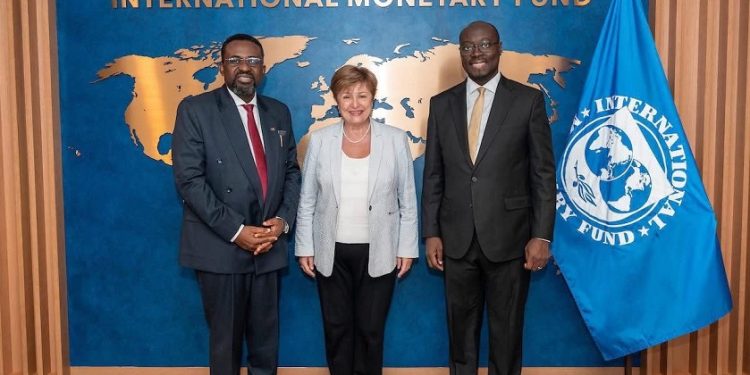
This approach is particularly significant given Ghana's ongoing efforts to stabilise its public finances following the country's debt restructuring programme under the International Monetary Fund (IMF) supported recovery plan. Reducing the cost of domestic borrowing is a key part of restoring debt sustainability and rebuilding investor confidence.
Lower T-bill yields also have a broader effect on the financial system. Banks and other institutional investors that hold large volumes of government securities may see their returns compressed, potentially encouraging them to extend more credit to the private sector — which could support economic activity.
What to watch going forward
The consistent downward drift in T-bill yields over recent weeks will be closely watched by businesses, financial institutions and ordinary Ghanaians alike. If rates continue to fall, it could eventually feed through into lower lending rates on the high street, easing the burden on borrowers who have faced persistently elevated interest costs.
However, sustained undersubscription could also raise questions about the government's ability to meet its financing needs if spending requirements increase suddenly. Investors and economic observers will be monitoring upcoming auction results to determine whether this trend reflects a confident, well-managed borrowing strategy — or whether it carries any risk to government liquidity in the months ahead.
- Government accepted GH¢3.1bn against a GH¢4.25bn T-bill auction target.
- The 91-day bill dominated bids, accounting for nearly 65% of total offers.
- Yields fell across all three tenors, signalling declining domestic borrowing costs.
Source: MyJoyOnline

Comments (0)
Be the first to comment.