Amin Adam demands overhaul of fuel taxes as diesel prices refuse to budge below GH¢18
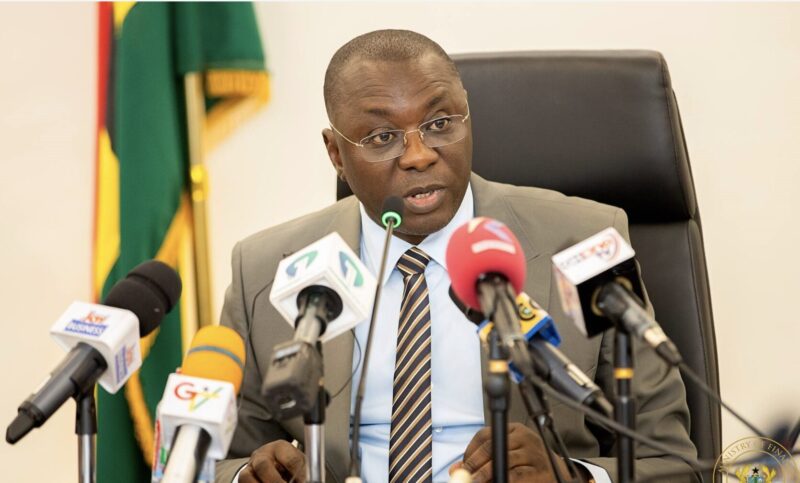
The government's attempt to ease pressure at the pump is falling short, according to former Finance Minister Dr Mohammed Amin Adam, who has demanded a comprehensive review of petroleum taxation as diesel prices stubbornly remain above GH¢18 per litre despite a GH¢2 temporary intervention.
Speaking through a Facebook post on Sunday, Dr Amin Adam, who also serves as Ranking Member on Parliament's Finance Committee, argued that the relief package announced by government has been substantially undermined by other levies and tax measures, leaving consumers with minimal benefit at the fuel station.
The paradox of partial relief
While the government announced a GH¢2 reduction on diesel, Dr Amin Adam highlighted the uncomfortable reality facing motorists and transporters. Current retail prices for diesel range between GH¢17.55 and GH¢18.99 per litre, meaning the temporary relief has failed to produce the expected consumer impact.
His explanation for this disconnect is straightforward: the GH¢2 subsidy has been almost entirely offset by a GH¢1-per-litre fuel levy that government itself introduced. By this calculation, consumers have realised a net benefit of just GH¢1 per litre—half of what was promised.
Beyond the fuel levy, Dr Amin Adam pointed to recent increases in levies on fuel oil, which he says have imposed cascading costs on industries and electricity producers. These upstream costs typically filter down to consumers through higher production and energy expenses, creating an indirect pressure on living costs even before fuel reach the pump.
Currency weakness compounds the crisis
A critical factor overlooked in many public discussions is Ghana's currency performance. Dr Amin Adam emphasised that the cedi has depreciated by 12 percent year-to-date—a significant decline that directly inflates the cost of importing petroleum products.
Since Ghana relies entirely on imported crude oil and refined petroleum products, every percentage point of cedi weakness translates into higher domestic prices. This currency headwind, combined with volatile international oil markets, means that even stable global prices become more expensive for Ghanaian consumers and businesses. The depreciation essentially adds an invisible tax to every litre purchased domestically.
Why comprehensive action matters for Ghana
High fuel prices ripple through the entire Ghanaian economy. Transport operators pass increases to commuters, manufacturers see production costs rise, and households struggle with electricity bills as power companies source more expensive fuel. The temporary relief, while politically necessary, addresses only the symptom rather than the underlying structural problem.
Dr Amin Adam's call for a comprehensive intervention reflects this reality. He specifically recommended reviewing petroleum taxes, with particular focus on recent increases in fuel-related levies. He also suggested the government consider suspending or abolishing certain tax measures—an approach previously employed by the NPP administration.
Such measures would require difficult trade-offs. Fuel taxes represent significant government revenue, and their removal could strain public finances at a time when Ghana is managing fiscal pressures. However, Dr Amin Adam's argument is that the current approach—layering temporary subsidies on top of permanent taxes—is both expensive and ineffective.
The debate now centres on whether government will undertake the broader fiscal review that Dr Amin Adam is advocating, or maintain the current patchwork of temporary interventions that fail to deliver meaningful relief to ordinary Ghanaians dependent on fuel for their livelihoods.
Source: MyJoyOnline

Comments (0)
Be the first to comment.