Ghana must stay disciplined as it shifts from IMF rescue to policy review framework
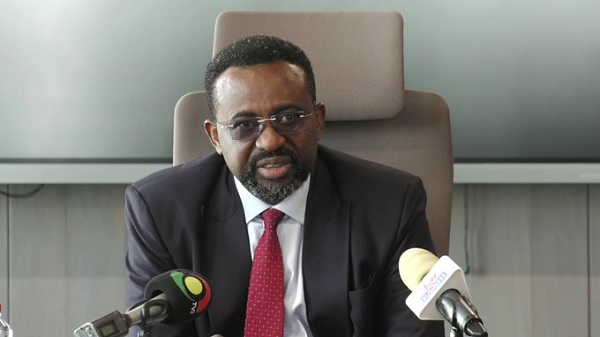
Ghana has entered a crucial phase in its economic recovery journey. With the conclusion of its 39-month International Monetary Fund Extended Credit Facility (ECF) programme in July 2026, the country has moved into a new 36-month Policy Coordination Instrument (PCI) designed to ensure continued macroeconomic stability and reform implementation. Bank of Ghana Governor Dr. Johnson Asiama has now cautioned that Ghana must demonstrate the same rigorous policy discipline under this new arrangement to preserve investor confidence and the economic gains achieved so far.
The shift from the ECF to the PCI marks an important transition. While the ECF provided direct financial support during Ghana's debt restructuring crisis, the PCI is a non-financing monitoring framework that serves primarily as a signal to international financial markets about Ghana's commitment to sound economic management. The first review under the PCI framework is scheduled for September 30, 2026, with the IMF Executive Board expected to consider the results by January 2027.
What the PCI framework means for Ghana's economy
The PCI covers six critical areas that will shape Ghana's economic trajectory over the next three years. These include growth-friendly fiscal consolidation, debt sustainability, fiscal transparency and governance, monetary and exchange-rate policy, financial-sector stability, and economic diversification and inclusive growth. According to Dr. Asiama, this framework is more than just a technical requirement; it serves as a powerful signal to investors and creditors watching Ghana's economic performance closely.
Financial markets will scrutinise how both the Bank of Ghana and government fiscal authorities conduct policy under the new arrangement. Any perceived lapse in discipline could shake investor confidence and undermine the progress made during the challenging ECF period. The Governor emphasised that maintaining credibility in monetary and fiscal policy implementation is not optional but essential for sustaining the economic stability the country has worked hard to restore.
Why this matters for Ghana
For ordinary Ghanaians, the stakes are high. The ECF programme helped Ghana stabilise its macroeconomic environment, improve debt sustainability, rebuild international reserves and restore confidence in the economy after the 2022-2023 debt crisis that severely disrupted livelihoods and access to credit. However, these gains remain fragile and could be reversed if policy discipline weakens.
The upcoming PCI reviews will determine whether Ghana can attract sustainable foreign investment, maintain reasonable exchange-rate stability, control inflation and create the conditions for job creation and inclusive growth. Any signal of policy weakness could trigger capital outflows, currency depreciation and renewed inflationary pressures that would hurt ordinary citizens most severely.
Additionally, the PCI provides Ghana with an opportunity to demonstrate that it can manage its own economic affairs without direct IMF financial support. Success in this transition would strengthen the country's credibility in international capital markets and potentially lower borrowing costs. Conversely, failure could result in Ghana having to return to crisis-level negotiations with the IMF.
The road ahead
Dr. Asiama's message is clear: the work is far from over. While Ghana has made substantial progress, consolidating those gains requires unwavering commitment to prudent policy-making. Both the central bank and the government must resist political pressures that might compromise fiscal discipline or monetary stability. The October 2026 review will be watched closely not just by the IMF but by investors, development partners and rating agencies assessing whether Ghana is truly committed to sustainable economic management.
Source: The Ghana Report

Comments (0)
Be the first to comment.