BoG Chief Warns: Fiscal Discipline Essential as Ghana's Economy Hits 6.4% Growth in Q1 2026

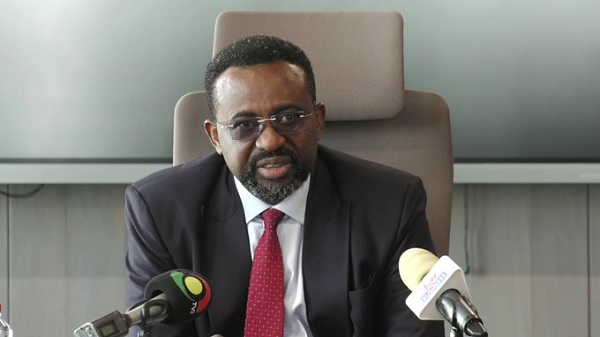
Ghana's economic momentum remains on track, but the country must not lose sight of fiscal discipline if it is to preserve hard-won gains, according to Bank of Ghana Governor Dr Johnson Asiama. Speaking to commercial bank leaders at the Bank Square in Accra, Dr Asiama outlined the critical role that government spending restraint and debt management will play in anchoring macroeconomic stability in the months ahead.
The central bank chief's comments come as Ghana reports solid economic performance. Real gross domestic product expanded by 6.4% in the first quarter of 2026, a modest improvement on the 6.2% recorded in the same period of 2025. The services and industrial sectors have emerged as the primary drivers of growth, underpinning what the BoG describes as sustained, broad-based economic momentum.
Ghana's external position has also strengthened. Gross international reserves climbed to US$12.9 billion at the end of June 2026, representing approximately five months of import cover—a critical buffer against external shocks and currency volatility.
Why It Matters for Ghana
Dr Asiama's emphasis on fiscal discipline reflects broader concerns about Ghana's debt sustainability and the need to maintain investor confidence amid a challenging global environment. Though the first quarter of 2026 saw stronger-than-expected fiscal performance—with government demonstrating expenditure restraint despite revenue shortfalls—the BoG Governor stressed that such discipline cannot be temporary.
For ordinary Ghanaians, the message is significant. Sustained fiscal responsibility directly influences inflation, exchange rates, interest rates on loans and savings, and ultimately employment prospects and living standards. If government spending spirals without corresponding revenue generation, the central bank may need to tighten monetary policy, potentially raising borrowing costs and slowing business investment. Conversely, prudent management creates conditions for stable prices, predictable financing for businesses, and stronger job creation.
Dr Asiama also underscored the importance of maintaining a sound external position. With Middle East tensions and other global pressures affecting international reserves in emerging markets, Ghana's current position of five months of import cover provides a crucial safety net—but only if fiscal discipline is maintained to prevent excessive external borrowing and currency depreciation.
BoG Targets Shadow Banking and Payment System Risks
Beyond macroeconomic stability, Dr Asiama raised two pressing operational concerns. First, the central bank has observed persistent non-compliance with regulations on cheque issuance, with commercial banks reporting high volumes of dud cheques. The BoG has called on lenders to strengthen monitoring, intensify customer engagement, and rebuild public confidence in cheques as a reliable payment instrument.
Second, unlicensed digital lending has emerged as a significant regulatory challenge. The BoG has launched a weekly publication listing entities offering credit services without proper approval, whilst law enforcement and regulatory agencies are working to remove non-compliant operators from the market. This crackdown signals the central bank's determination to protect consumers from predatory lending and prevent financial system risks posed by unregulated actors.
The Road Ahead
Dr Asiama reaffirmed the Bank of Ghana's commitment to fostering a sound, resilient, and growth-oriented banking sector through supportive regulation and policy. The message to government, banks, and the public is clear: Ghana's recent economic performance is encouraging, but sustaining it requires discipline, transparency, and vigilant oversight of both formal and informal financial activities.
Source: The Ghana Report


Comments (0)
Be the first to comment.