Ghana plans 1,200MW state-owned gas power plant to become nation's largest facility
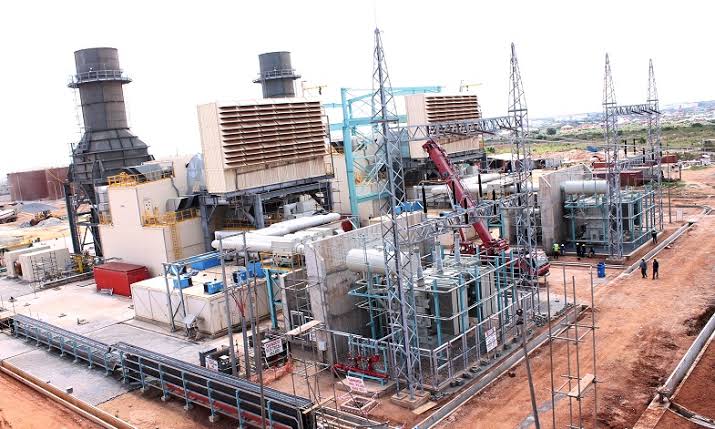
President John Dramani Mahama has unveiled an ambitious plan to construct a 1,200-megawatt state-owned gas-fired thermal power plant, positioning it as Ghana's largest single generating facility once operational. The announcement, made during a town hall meeting with Ghanaians in New York, signals a significant shift in the country's energy infrastructure strategy heading into the next phase of economic development.
The government intends to sign the agreement for this major project before the end of 2026. If completed as planned, the facility would exceed the 1,020MW capacity of the Akosombo Hydroelectric Power Station, which has long served as Ghana's flagship power generation asset. This move marks a deliberate recalibration of Ghana's approach to meeting growing electricity demand whilst adapting to global energy trends.
Strategic reasoning behind the expansion
President Mahama explained that the decision reflects changing realities in the global energy landscape. Governments and businesses worldwide are transitioning towards renewable energy sources and electric vehicles, prompting Ghana to reconsider long-term investments in conventional power infrastructure. The strategy aims to avoid creating stranded assets—power plants that become economically unviable as the energy mix shifts.
The thermal expansion comes alongside efforts to stabilise Ghana's power sector, which has faced significant challenges in recent years. The government has cleared accumulated energy sector debts and reorganised the Electricity Company of Ghana (ECG) to prioritise payments to independent power producers. According to the President, these reforms have helped restore stability to electricity supply and renewed confidence among private generators.
Several Independent Power Producers have signalled willingness to invest an additional 500MW of capacity, though the government has indicated preference for developing state-owned generation assets to maintain greater control over the energy sector.
Why it matters for Ghana
Ghana's electricity sector is critical to supporting industrial growth and attracting foreign investment. A reliable, cost-effective power supply is essential for manufacturing, mining, and emerging sectors. The proposed 1,200MW facility directly addresses supply constraints that have historically hindered economic activity.
Equally significant is the connection to Ghana's oil and gas sector. President Mahama announced that oil production has increased by approximately 38% since 2025, driven by new investments from major producers. Jubilee Partners is committing $2 billion to drill 20 additional wells, whilst Eni is investing $1.5 billion to complete its Sankofa field development. This expanded gas availability would fuel the proposed thermal plant whilst generating additional government revenue from hydrocarbon sales.
International energy majors, including ExxonMobil and Shell, are reportedly exploring fresh opportunities in Ghanaian waters, suggesting renewed confidence in the country's oil and gas future. The convergence of rising gas supply and planned thermal capacity expansion creates a mutually reinforcing opportunity to enhance both energy security and fiscal revenue.
For ordinary Ghanaians, reliable power supply directly impacts household costs, business viability, and quality of life. The clearing of energy sector debts and improved payment systems to generators are expected to reduce power disruptions and underpin sustainable electricity pricing.
Next steps and timeline
The government's target to sign the 1,200MW agreement before the end of 2026 sets a clear but ambitious deadline. Implementation will require securing financing, finalising technical specifications, and navigating regulatory approvals. The success of this project will significantly influence Ghana's energy trajectory through the 2030s and beyond.
Source: MyJoyOnline
Comments (0)
Be the first to comment.