Oil Giants Scramble for Control of Global Energy Routes as Geopolitical Risks Mount
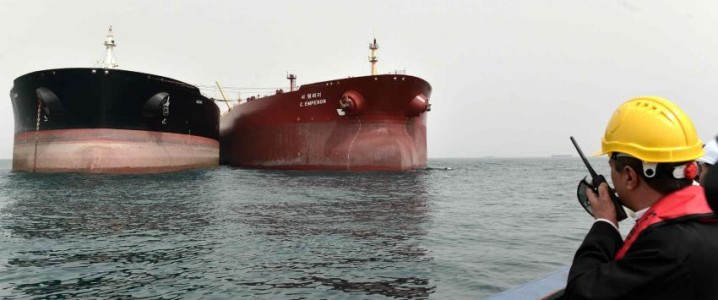
The global energy sector is experiencing a dramatic strategic pivot as major players—led by the Abu Dhabi National Oil Company's investment arm XRG—commit billions to controlling the physical infrastructure that moves oil and liquefied natural gas across contested waters. The underlying message is stark: geopolitical fragmentation and chokepoint vulnerability are reshaping investment priorities away from the energy transition and toward securing supply routes.
XRG is reportedly considering acquiring up to 50% of Energos Infrastructure, a floating liquefied natural gas company valued around $3 billion. Simultaneously, shipowners have ordered more very large crude carriers (VLCCs) in 2026 than in any comparable 25-year period, with estimates ranging from 164 to 217 vessels—representing more than $20 billion in investment. These moves reflect a coordinated strategy to reposition global energy flows away from traditional routes disrupted by geopolitical tensions.
The Strategic Logic Behind Floating Infrastructure
The attraction to floating storage and regasification units (FSRUs) lies in their flexibility and speed. Unlike fixed liquefaction plants that take years to construct, floating infrastructure can be rapidly deployed to transform coastal locations into LNG import terminals within months. This became evident after Russia's invasion of Ukraine, when European nations scrambled to secure alternative gas supplies. An FSRU can be redeployed, repositioned or renegotiated based on shifting security threats and price differentials—making it far more valuable in an unstable geopolitical environment than traditional terminals locked in place.
Energos operates 13 floating LNG assets, including FSRUs and LNG carriers deployed across Brazil, Egypt, Indonesia, Mexico and the Netherlands. For ADNOC, ownership would represent immediate access to a global portfolio of mobile strategic access points rather than waiting years for new vessels to be built. Combined with XRG's existing interests in the Rio Grande LNG development in Texas and emerging projects in Argentina, the company is assembling what could become a 25-million-tonne-per-annum global LNG portfolio by 2035.
Why It Matters for Ghana
Ghana and West Africa face direct implications from these global energy infrastructure shifts. The region depends heavily on imported liquefied natural gas for power generation, particularly as domestic oil and gas reserves decline. As major energy producers consolidate control over floating infrastructure and longer shipping routes, West African nations may face higher import costs and less flexibility in securing supply during disruptions.
Additionally, the historic surge in VLCC ordering signals that crude oil will remain economically important for decades, despite energy transition rhetoric. This has implications for Ghana's petroleum sector strategy and regional energy planning. The shift toward longer shipping routes—driven by geopolitical tensions at key chokepoints like the Strait of Hormuz and Bab el-Mandeb—could reshape maritime trade patterns affecting ports like Tema and Ghana's shipping industry.
More strategically, Ghana and other African nations should note that major energy firms are no longer prioritising renewable energy investments at the pace previously projected. Supply security now outweighs transition timelines. This reality should inform Ghana's own energy policy and infrastructure planning as the country balances climate commitments with reliable, affordable power provision.
A Fleet Renewal Unlike Any Other
The VLCC ordering surge reflects both fleet renewal and a calculated bet that crude oil demand will persist. Roughly 20% of the existing VLCC fleet is more than 20 years old, justifying replacement. However, the sheer volume of new orders—with deliveries extending toward 2030—suggests shipowners are monetising geopolitical dislocation. If ton-mile demand normalises, industry analysts warn of potential freight-rate collapses that could strand massive capital investments.
For now, the energy giants are betting that a fragmented world with longer trade routes, contested chokepoints and supply insecurity is the new normal. Whether that gamble pays off will shape global energy availability—and costs—for years to come.
Source: The Ghana Report

Comments (0)
Be the first to comment.