Nigeria's mining crisis: 37 detained in mass custody death – what Ghana can learn
A catastrophic loss of life in a Nigerian detention facility has reignited debate over how West African governments handle illegal mining enforcement—a crisis that carries direct implications for Ghana, where artisanal and illegal mining have similarly spiralled into violence, environmental damage, and state crackdowns.
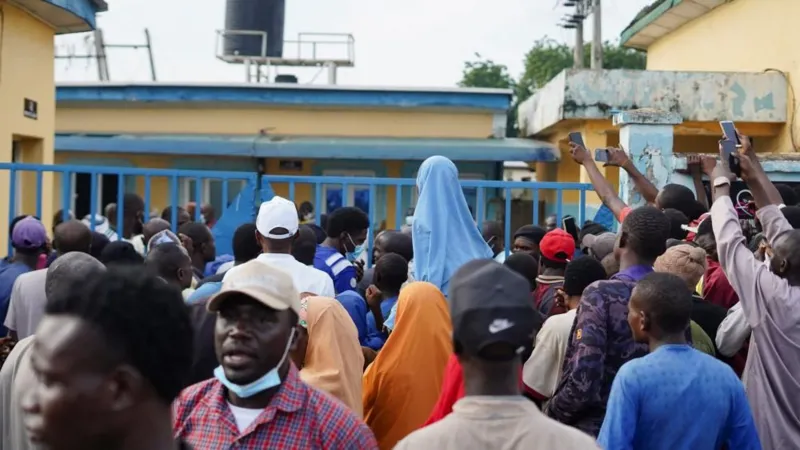
The deaths occurred in Niger state's north-central region, where police detained over 50 suspected illegal miners from the Borgu area on Tuesday. Within two days, 37 of those held at a Nigerian Security and Civil Defence Corps (NSCDC) facility were found dead. Relatives and survivors blamed severe overcrowding and inadequate ventilation in the detention centre, with witnesses describing collapsed detainees and desperate pleas for help that went unanswered. Authorities initially claimed a diphtheria outbreak was responsible, but later acknowledged the cause remained unclear.
Systemic failures in custody and the human cost
The incident exposes alarming gaps in detention standards and due process. Nigeria's constitution mandates that suspects be brought before a court within a "reasonable time"—typically within 24 to 48 hours depending on proximity to courts. Yet the detained miners had not been formally charged when they died, and relatives reported being turned away repeatedly when seeking their release.
Survivors recounted horrifying conditions: detainees fainted in extreme heat, guards ignored knocking and cries for help, and one survivor owed his life to positioning near a small window. The deaths sparked violent protests, with miners and relatives attacking public buildings and buses before police dispersed crowds with tear gas. A 24-hour curfew was imposed in Minna, the state capital.
State Governor Mohammed Umaru Bago called the deaths "sad and tragic," declared three days of mourning, and announced that an NSCDC commander had been detained. Police have launched an investigation, though questions remain about accountability and the independence of any inquiry.
Why it matters for Ghana
Ghana faces remarkably similar pressures. Illegal mining—locally called "galamsey"—has become entrenched in communities across the country, particularly in regions with gold reserves. Like Nigeria, Ghana's government has pursued enforcement operations, sometimes resulting in confrontations with miners and communities dependent on the trade.
The Nigerian disaster underscores the dangers of militarised or heavy-handed responses to informal sector mining without adequate safeguards. When enforcement lacks transparency, proper detention standards, and judicial oversight, detentions can become a human rights catastrophe. Ghana's own track record on detention conditions and due process in criminal cases has drawn criticism from rights groups, suggesting vulnerabilities in how the system might handle mass arrests of miners.
Additionally, both nations struggle with gold trafficking through illegal supply chains—a 2024 SwissAid report found much Nigerian gold from illegal mines feeds into global networks. Ghana confronts similar smuggling and laundering of conflict gold, which fuels gang violence and destabilises mining regions.
The broader crisis in West African mining
Illegal mining in Niger state has been blamed by officials and experts for fuelling criminal gang violence and destabilisation. The same pattern repeats in Ghana, where galamsey operations have degraded water bodies, contaminated farmland, and become intertwined with organised crime.
The question for policymakers across the region is whether enforcement alone—especially militarised enforcement—can address the root causes. Communities engage in illegal mining because formal employment is scarce, regulation is burdensome, and the returns from informal gold trade are immediate. Mass arrests without creating legitimate pathways for artisanal miners risk repeating Nigeria's tragedy.
Ghana and other West African nations should study the Niger deaths as a cautionary tale: detention facilities must meet international standards, suspects must be processed fairly and swiftly through courts, and enforcement operations must be monitored independently. Without these safeguards, crackdowns become grievances that inflame the very communities governments hope to stabilise.
Source: The Ghana Report

Comments (0)
Be the first to comment.