
NPP demands NDC own galamsey crisis – 'Stop blaming Akufo-Addo after 24 months in power'
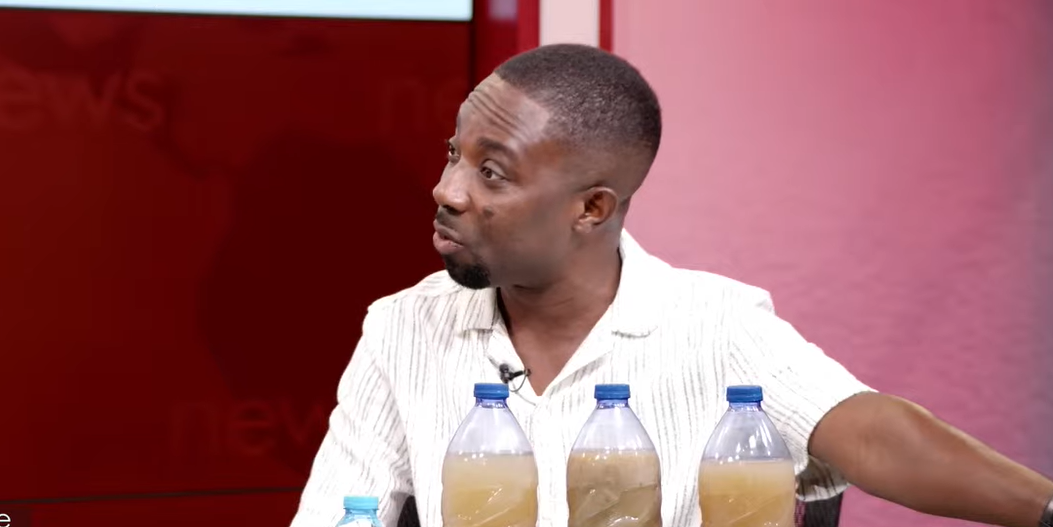

The opposition New Patriotic Party (NPP) has intensified pressure on the National Democratic Congress (NDC) government to stop deflecting responsibility for Ghana's worsening illegal mining crisis, insisting it has had sufficient time to demonstrate a genuine commitment to tackling the menace.
Speaking on JoyNews' Newsfile on Saturday, 31 October, NPP Director of Communications Dennis Miracles Aboagye argued that nearly two years into the NDC's administration, the party can no longer use the previous Akufo-Addo government as a shield against criticism of its own performance on galamsey.
"One of the things I hate, and it pisses me off when it comes to the galamsey conversation, is when anybody tries to bring Akufo-Addo into it. Stop. Don't do it. Take him out. It's been 24 months," Mr Aboagye stated, expressing frustration at what he described as the NDC's attempts to shift blame rather than deliver results.
The campaign promise versus reality
Mr Aboagye highlighted a fundamental inconsistency in the NDC's messaging. During the 2024 election campaign, he argued, the NDC framed illegal mining as a government failure rather than a national problem—suggesting it possessed a clear strategy that would end galamsey once it took office. He contended this raised Ghanaian expectations significantly.
"The people are clear in their minds that, unlike the NPP and the Akufo-Addo administration, which considered galamsey a national problem, the NDC believes it is a government problem and that once it assumes office, galamsey will end," he said.
According to Mr Aboagye, the current administration has fallen drastically short of these self-created expectations. He described the NDC's handling of illegal mining as evidence of a "spectacular failure" to fulfil its core campaign commitments to Ghanaians.
Why it matters for Ghana
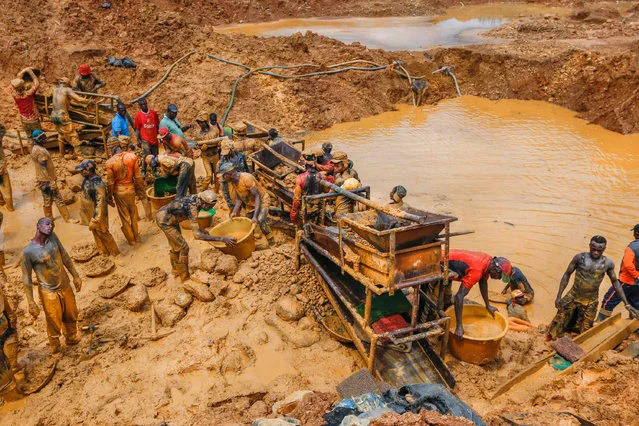
Illegal mining remains one of Ghana's most pressing environmental and public health crises. The practice devastates water bodies, destroys agricultural land, and threatens the livelihoods of fishing and farming communities—sectors critical to rural Ghana's economy. Both major political parties have pledged to tackle galamsey, yet the problem persists regardless of which party is in power, suggesting systemic challenges that transcend political rhetoric.
The NPP's challenge to the NDC underscores a key political dynamic: whichever party is in opposition uses galamsey as a weapon against the ruling government, yet neither has demonstrated a convincing record of success when in power. This pattern raises questions about the depth of political commitment versus electoral posturing on the issue.
Mr Aboagye also referenced the NDC's historical involvement with illegal mining actors, claiming the party has been an enabler since 2009. He pointed to remarks attributed to former Environment Minister Mahama Ayariga in 2013, suggesting the NDC acknowledged the widespread involvement of influential community figures—including pastors, traditional leaders and assembly members—in galamsey activities, yet failed to curb them.
Escalating accusations
Beyond demanding the NDC take ownership, Mr Aboagye accused the ruling party of consistently allowing illegal mining to worsen during periods when it held power. He asserted that the NPP had undertaken documented projects showing the extent of the problem and the NDC's track record, though he did not provide specifics on those findings.
The sharp political exchange reflects the deep polarisation surrounding galamsey in Ghana, where both parties use the crisis as a campaign tool while struggling to demonstrate meaningful progress. As communities affected by illegal mining continue to suffer environmental damage and health risks, the debate increasingly centres on political blame rather than substantive solutions.
Source: MyJoyOnline

Comments (0)
Be the first to comment.