Lawyer Kpebu warns: Salomey's arrest won't fix deeper Ghana Jollof row issues
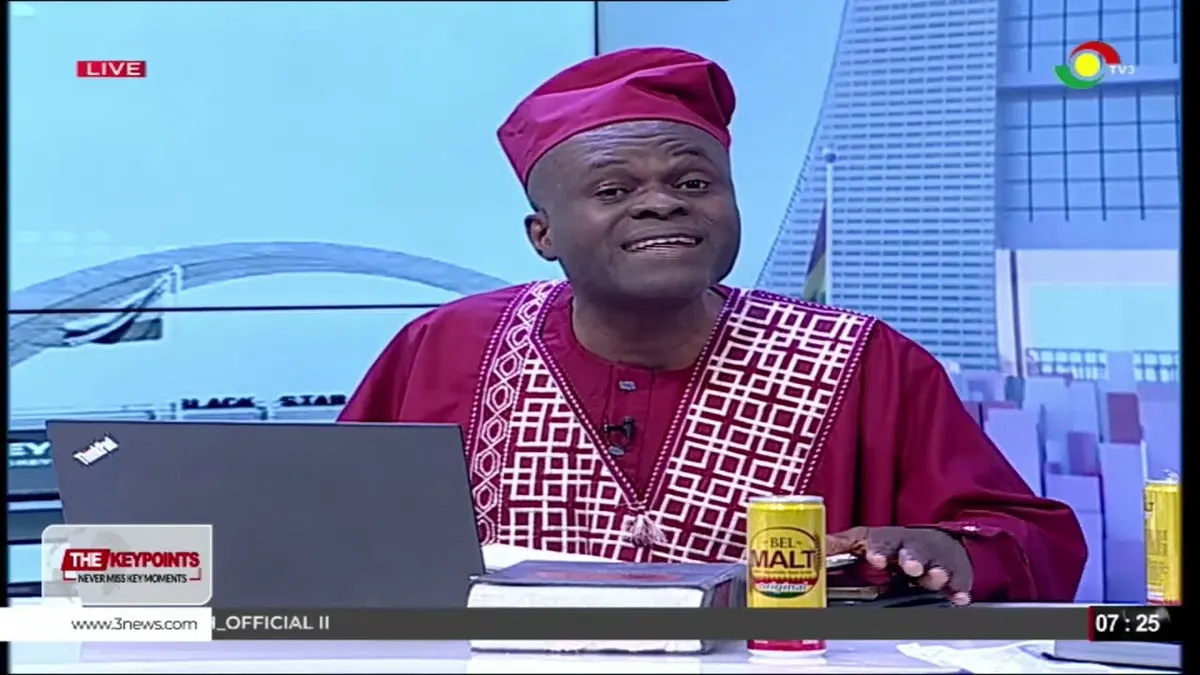
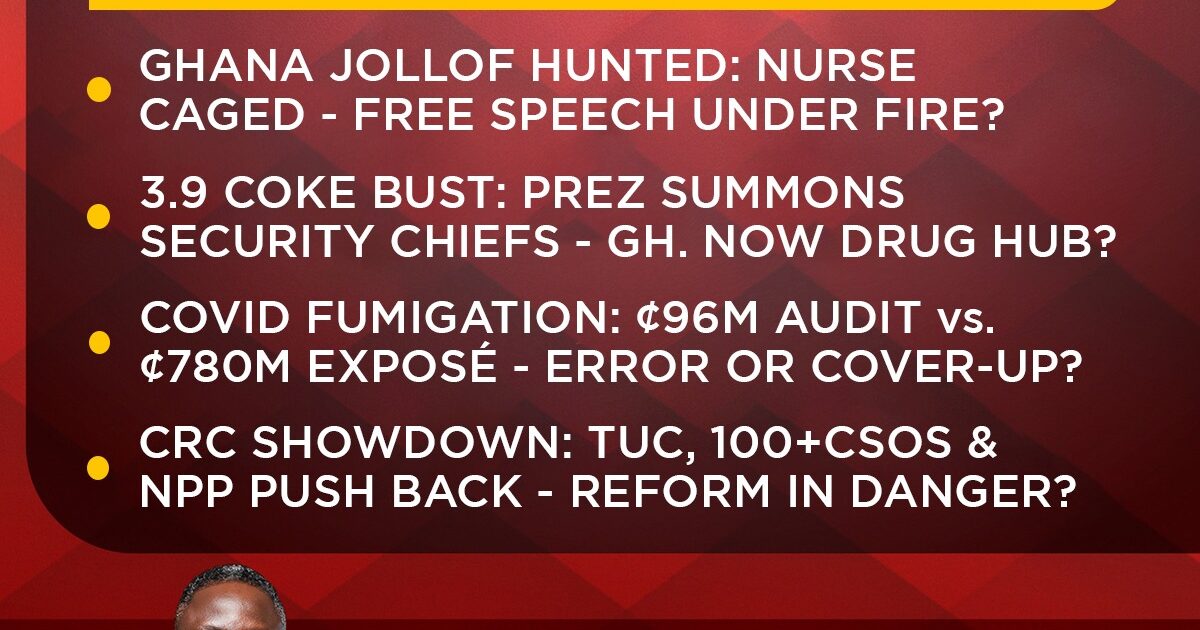
Private legal practitioner Martin Kpebu has cautioned that focusing solely on the arrest of Salomey Awitti Baffoh will not address the underlying tensions and inflammatory language fuelling the ongoing Ghana Jollof controversy.
The dispute, which has captured public attention and sparked heated debate online and offline, involves disagreements about Ghana's national identity and cultural representation. Kpebu's intervention suggests that legal action against individuals, whilst potentially warranted, represents only a surface-level response to what he views as a deeper systemic issue.
The broader pattern of incendiary language
Kpebu's statement highlights concerns about how public figures and commentators have used divisive and provocative rhetoric throughout this dispute. Rather than treating this as an isolated incident requiring a single arrest, the legal expert appears to be calling for a wider examination of the discourse surrounding the case.
His perspective reflects growing unease among legal and civil society voices about the tone and nature of public debates in Ghana, particularly when they touch on sensitive national and cultural matters. The lawyer's comments suggest that the conversation needs to move beyond individual accountability to examine systemic failures in how Ghanaians engage with one another on contentious issues.
Why it matters for Ghana
This case arrives at a moment when Ghana's public sphere is increasingly polarised. Social media has amplified voices and made it easier for inflammatory statements to spread rapidly, reaching audiences far wider than traditional media ever could. The Ghana Jollof row exemplifies how quickly cultural and national identity disputes can escalate into something requiring legal intervention.
Kpebu's position is significant because it suggests that legal practitioners and civil society are thinking strategically about how Ghana resolves its internal conflicts. Simply removing one voice from the conversation, whilst satisfying calls for accountability, does not fundamentally change the environment that allowed such language to flourish in the first place.
For ordinary Ghanaians watching this unfold, the question becomes: what kind of national discourse do we want? And how do we build a culture where disagreements, even passionate ones about cherished national symbols like Jollof rice, can be discussed without resorting to incendiary language?
The path forward
Kpebu's comments implicitly call for a more holistic approach. This could involve national conversations about civil discourse, media literacy, the role of social media platforms in amplifying divisive content, and how public figures model behaviour for their followers.
The case also raises questions about where the line should be drawn between free expression and harmful speech—a tension that Ghana's legal and media sectors will likely continue grappling with as the country navigates an increasingly digital and interconnected public sphere.
Source: 3News
.jpg)

Comments (0)
Be the first to comment.