Ghana Jollof Case Reopens Debate on Press Freedom, Political Commentary and the Rule of Law
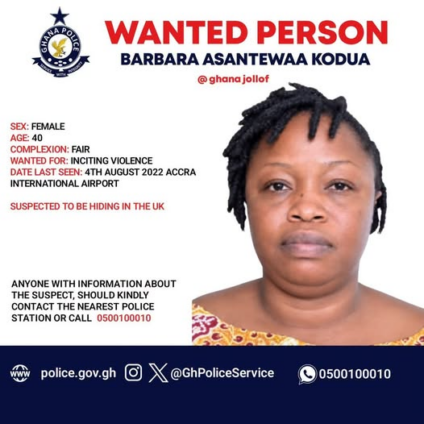
Ghana's handling of the Ghana Jollof case has reignited a fundamental tension in the nation's democratic experiment: how do democracies protect press freedom and political commentary whilst maintaining public order and the rule of law?
The case centres on Barbara Asantewaa Kodua, known online as Ghana Jollof, whom police allege operated an account publishing offensive and inciteful material, including a false claim about an attempted coup at Jubilee House. Police have also charged Techiman-based nurse Salomey Awiti Baffoe with helping redistribute the content and point to forensic evidence of financial transactions linked to the network. Mrs. Baffoe has pleaded not guilty. These remain allegations, and that distinction is critical in a nation governed by law.
Understanding Ghana's Legal Framework
Ghana's legal position on such matters is more nuanced than public debate often suggests. Section 208 of the Criminal Offences Act, 1960 criminalises publishing false statements likely to cause public fear, alarm or disturbance of peace. Section 207 addresses threatening or abusive language likely to provoke a breach of peace. However, Ghana has no criminal defamation law—criminal libel was deliberately repealed in 2001, making defamation principally a civil matter.
This matters enormously. Being insulted by a journalist or commentator is not automatically criminal. A politician being embarrassed by criticism is not a crime. Government being questioned is democracy functioning as intended.
Yet the conversation cannot ignore Kevin Taylor and his programme With All Due Respect. Taylor's platform has built significant influence through sharp political commentary, particularly targeting the opposition New Patriotic Party and public officials. In 2020, the Accra High Court awarded media executive Ace Ankomah GH¢2.95 million in damages for defamation against Taylor and Loud Silence Media, with an injunction against further defamatory publication. Public concerns about the programme's use of personal attacks and unsubstantiated allegations persist.
Why It Matters for Ghana
This moment defines whether Ghana remains a democracy or slides toward selective enforcement of laws to silence critics. History provides both cautionary and inspiring examples. In the Philippines, Radio Veritas played a crucial role during the 1986 People Power Revolution against Ferdinand Marcos, documenting abuses and mobilising citizens. In Egypt, digital activism exposed misconduct under Hosni Mubarak ahead of the 2011 uprising.
These examples demonstrate that microphones can be weapons against tyranny. But they also teach a harder lesson: a microphone does not transform falsehood into truth, insults into journalism, or threats into activism. Ghana must navigate this distinction carefully.
The 1992 Constitution guarantees media freedom and independence in Article 162, whilst recognising lawful restrictions for national security, public order and protection of others' rights and reputations. President Mahama's call for the Media Foundation for West Africa and Ghana Journalists Association to convene a national stakeholder forum on regulating social media platforms whilst protecting legitimate criticism and dissent is constructive.
The Urgent Questions Ahead
As Ghana considers its path forward, several questions demand transparent answers: What content specifically triggered prosecution? What evidence supports the allegations? Who financed the network? What financial transactions occurred and with whom? Most importantly, does Ghana's law actually criminalise these actions, or are authorities expanding criminal categories to silence political opponents?
The uncomfortable truth is that democracies cannot defend press freedom selectively. Constitutional protections that shield a journalist exposing corruption must also shield commentators whose views we find objectionable or crude. Condemning vulgarity, personal humiliation, threats and deliberate incitement is appropriate. Confusing offence with criminality is dangerous.
Ghana's political culture has traditionally accommodated sharp disagreement within bounds of restraint. The current escalation of vulgarity in social media commentary represents a genuine departure from this tradition. When politicians, influencers and media figures weaponise public discourse, democratic credibility suffers. Yet the solution cannot be arrests of everyone who insults a president or official.
Ghana now faces a choice: will it establish clear, transparent rules protecting both press freedom and public order, or will it continue ad-hoc prosecutions that risk becoming tools of political control? The answer will define democracy in Ghana for the next generation.
Source: The Ghana Report

Comments (0)
Be the first to comment.