Bawumia warns against weaponising intelligence agencies to silence critics
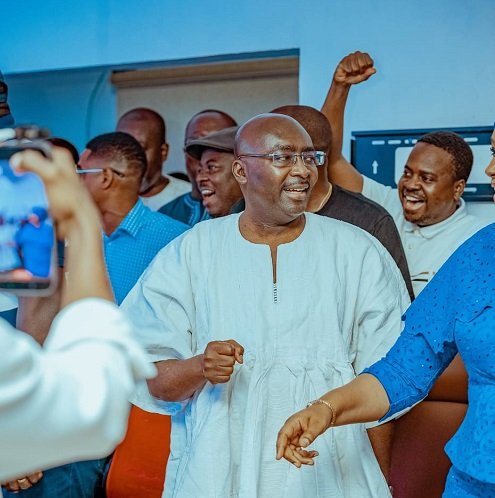
New Patriotic Party presidential candidate Dr Mahamudu Bawumia has sharply criticised the arrest and detention of a Techiman-based nurse, arguing that using state security agencies to prosecute citizens for speech undermines Ghana's democracy and rule of law.
Salomey Bafor Awiti, a mother of three, was arrested by national intelligence officers and remanded for two weeks on allegations of abetting the publication of false news. The case has triggered fresh concerns about press freedom and citizens' rights to criticise government in Ghana.
In a statement, Dr Bawumia said the arrest exemplified a troubling trend. "This is not the Ghana we want to build. I can assure Ghanaians that when given the opportunity, our intelligence agencies will not be reduced to chasing citizens for insulting the President or anyone else," he declared.
Free speech versus selective enforcement
The opposition leader acknowledged that he opposes insulting language in political discourse and will continue advocating for decorum among political actors. However, he drew a firm distinction between criticising speech and criminalising it.
"While the ideas we need to transform our nation won't come from insults, I also remind the NDC government that any infringement on the right to free speech pushes our democracy backwards. Free speech, as unpalatable as it may be sometimes, is the foundation of our democracy," Bawumia stated.
A core concern raised by the NPP flagbearer is what he characterises as selective application of the law. He accused the government of inconsistency—tolerating insults directed at certain figures while prosecuting those whose statements target politically sensitive individuals.
"Some citizens insult and walk free while others are jailed because government does not like the target of their insults," he noted, calling for the immediate release of Awiti and others similarly charged and detained.
Why it matters for Ghana
The arrest of Salomey Bafor Awiti reflects broader tensions about democratic freedoms in Ghana ahead of an election cycle. Ghana has historically prided itself as a beacon of democracy in West Africa, but incidents of journalist arrests, civil society restrictions, and prosecutions under laws such as those criminalising false news have raised questions about the strength of those protections.
The weaponisation of intelligence agencies and prosecutorial powers to suppress speech—whether directed at government officials or others—sets a troubling precedent. If citizens fear arrest for online posts or comments critical of government, self-censorship naturally follows, eroding the open discourse essential for democracy to function.
Bawumia's statement signals that press freedom and political space will likely feature prominently in opposition messaging as Ghana approaches elections. The case also highlights the need for clearer legal standards around what constitutes criminal false news versus protected opinion, commentary, or even mistaken speech.
The incident underscores ongoing questions about how Ghana balances security concerns with fundamental rights, and whether intelligence resources should be deployed to pursue speech-related matters rather than genuine security threats.
Source: The Ghanaian Times


Comments (0)
Be the first to comment.