Bawumia calls for release of nurse detained over alleged false news links, warns against free speech suppression
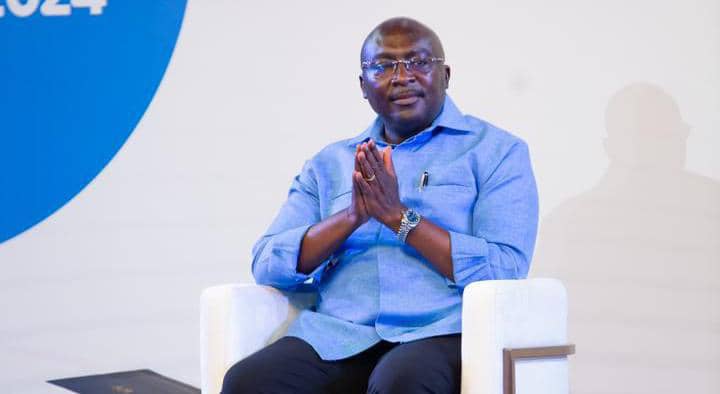
The New Patriotic Party (NPP) flagbearer Dr Mahamudu Bawumia has waded into a contentious free speech debate following the detention of a Techiman-based senior nursing officer, calling her remand "very worrying" and demanding her immediate release.
Salomey Awiti Bafoh, 40, was remanded into police custody for two weeks after appearing before the Adentan Circuit Court on September 17, 2026, on suspicion of abetting the publication of false news. She pleaded not guilty to the charge.
Authorities allege that Bafoh acted as a liaison for UK-based TikTok creator Barbara Asantewaa Kodua, known online as "Ghana Jollof", by recruiting others to redistribute videos. According to prosecutors, Kodua transferred funds from the United Kingdom to Bafoh to support the distribution activities, with portions subsequently distributed to other individuals. The prosecution claims some videos contained offensive and inflammatory statements allegedly threatening to overthrow the government and burn Ghana—allegations that remain unproven in court.
Defending democratic principles
In a Facebook statement, Dr Bawumia acknowledged his consistent opposition to insulting political discourse, emphasising that constructive ideas require respectful engagement. However, he drew a clear distinction between condemning abusive language and using state machinery to suppress speech.
"I have always disavowed a politics of insults and will remind all in the political space of the need to be decorous," he stated. "The ideas we need to transform our nation won't come from insults."
Yet Bawumia stressed that maintaining decorum cannot justify infringing on citizens' fundamental right to free expression. He specifically warned against the weaponisation of intelligence agencies, stating that Ghana's security services should not be deployed to prosecute citizens for making insulting remarks about the President or public officials.
"I can assure Ghanaians that when given the opportunity, our intelligence agencies will not be reduced to chasing citizens for insulting the President or anyone else," he declared.
Accusations of selective enforcement
The former Vice-President also levelled charges of selective legal enforcement against the government. He argued that the differential treatment of citizens making similar statements—with some facing prosecution whilst others walk free—undermines the rule of law and democratic equality.
"Some citizens can insult and walk freely, and others are jailed because the government doesn't like the target of their insults," Bawumia wrote, calling for the release of Bafoh and others facing comparable charges.
Why it matters for Ghana
This intervention highlights a critical tension in Ghana's democracy between maintaining civil political discourse and protecting fundamental freedoms. The case comes amid broader concerns about press freedom and state power under the current NDC administration. Ghana's constitutional framework guarantees freedom of expression, yet recent prosecutions under the false news provisions of the Criminal Offences Act have raised questions about whether legitimate dissent is being criminalised.
The incident also reflects ongoing political divisions ahead of elections, with opposition figures scrutinising how security apparatus are deployed. Bawumia's statement, whilst defending democratic values, also serves as a campaign position distinguishing the NPP's approach to governance. For ordinary Ghanaians, the case underscores the importance of understanding the boundaries between protected speech and criminal conduct, particularly as digital platforms enable rapid information dissemination.
The question of whether aggressive social media criticism constitutes abetment of false news remains legally contested and politically charged, with implications for journalists, activists, and citizens engaging in legitimate criticism of government.
Source: MyJoyOnline


Comments (0)
Be the first to comment.