
Atta Issah Challenges IMF Gold Loss Claims, Cites Lower BoG Figure

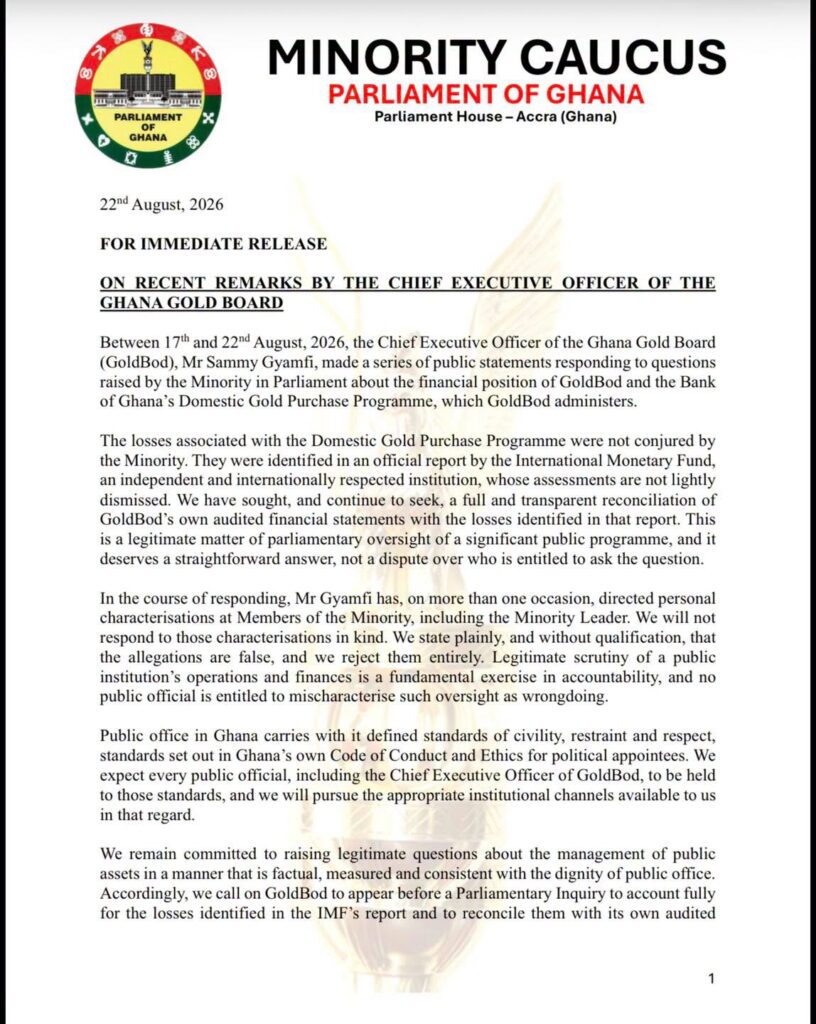
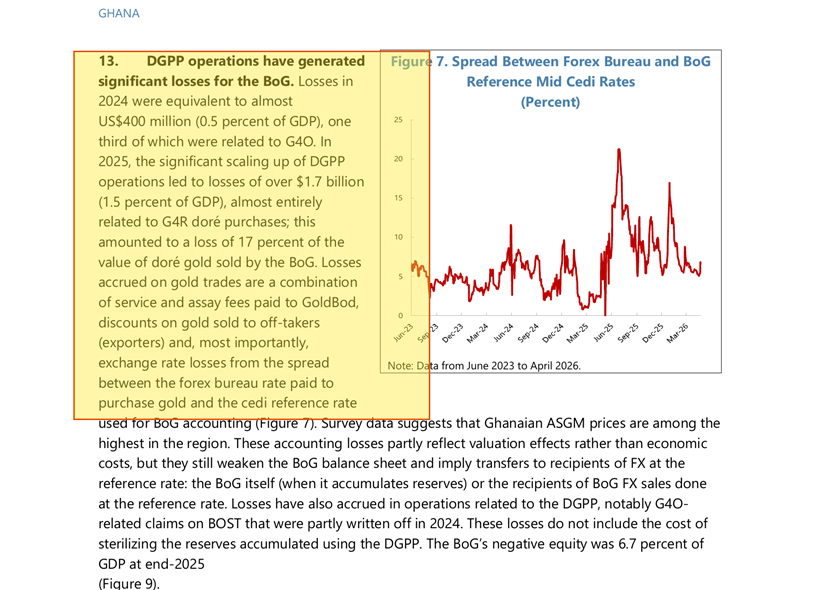
An opposition Member of Parliament has publicly challenged the International Monetary Fund's valuation of Ghana's gold reserves loss, arguing that the Bank of Ghana's internal accounting presents a significantly different picture. Atta Issah contended that the central bank's own records show a GH¢16.8 billion loss figure, substantially lower than the IMF's widely cited GH¢22 billion assessment.
The dispute highlights growing debate over how Ghana's gold reserve losses are being calculated and communicated to the public. The discrepancy between the two figures—a difference of approximately GH¢5.2 billion—raises questions about accounting methodologies and which valuation should serve as the basis for public understanding of the country's reserve position.
The Nature of the Dispute
Issah's intervention characterises the losses as an accounting treatment rather than an actual depletion of physical reserves, suggesting that the valuation differences may stem from how the losses are recorded and reported. This distinction is important, as it implies that how gold reserves are priced at different points in time affects the final loss figure reported.
Gold valuations fluctuate based on international market prices, which can significantly impact how reserve losses are calculated when measured in local currency terms. The timing of when gold holdings are valued—whether at purchase price, market price at loss recognition, or some other benchmark—directly influences the magnitude of reported losses.
The Bank of Ghana's internal figure of GH¢16.8 billion may reflect a different valuation methodology than the IMF's assessment, potentially accounting for factors such as timing of valuations, currency movements, or different measurement standards applied by the two institutions.
Why It Matters for Ghana
Ghana's gold reserves are a critical component of the country's external balance sheet and directly affect public confidence in the nation's economic stability. Reserve losses can influence decisions by international creditors, investors, and rating agencies assessing Ghana's creditworthiness.
Clarity on the true extent of gold reserve losses is essential for informed public debate about economic management and fiscal responsibility. The GH¢5.2 billion discrepancy is substantial enough to warrant explanation, particularly given Ghana's ongoing relationship with the IMF and the institution's role in monitoring the country's economic programme.
Public understanding of reserve positions also affects consumer and business confidence in the stability of the cedi and the broader economy. Conflicting figures from different authorities can create uncertainty and undermine trust in official communications about Ghana's financial position.
Moving Forward
The disagreement underscores the need for transparent, unified communication between the Bank of Ghana and international partners like the IMF regarding reserve calculations. The public and Parliament deserve clarity on which methodology is being used, why the figures differ, and what the most accurate representation of Ghana's gold reserve position actually is.
Atta Issah's challenge to the IMF figure suggests that Parliament may increasingly scrutinise how economic data is presented to the public, demanding accountability for numerical discrepancies that affect national financial credibility.
Source: 3News

Comments (0)
Be the first to comment.