
Ghana's Economy Needs Stronger Foundation Before Absorbing Fuel Price Shocks, Economists Warn

Ghana's fragile economic position means the country cannot absorb additional fuel price increases without risking wider damage to key sectors, according to economic analysts assessing the nation's structural vulnerabilities.
The warning comes as policymakers grapple with balancing fiscal pressures and inflationary concerns. Economists emphasise that Ghana's economy currently lacks the foundational strength required to cushion shocks from volatile global fuel markets—a reality that constrains policy options for government.
The Fuel Price Vulnerability
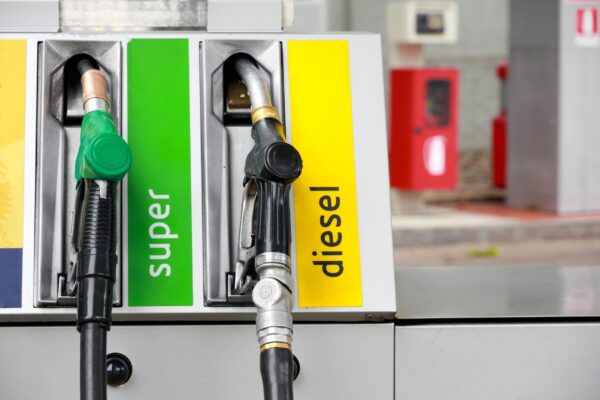
Fuel prices remain a critical pressure point for Ghana's economy. Energy costs directly affect transport, manufacturing, utilities and agricultural operations, creating ripple effects across the entire supply chain. When fuel prices rise, businesses pass costs to consumers, inflation climbs, and purchasing power erodes—particularly for lower-income Ghanaians who spend larger portions of income on essentials.
Ghana's economy remains heavily dependent on imports, meaning global crude oil prices significantly influence domestic petrol and diesel costs. Unlike economies with stronger foreign reserves, diversified revenue streams, or subsidised energy sectors, Ghana has limited shock-absorption capacity.
Building Economic Resilience: Why It Matters for Ghana
Economic resilience refers to an economy's ability to withstand external shocks without severe contraction or social disruption. Ghana's current position suggests this resilience remains underdeveloped.
For ordinary Ghanaians, this translates to real consequences. Fuel price increases cascade into higher transport fares, increased food costs, reduced business profitability, and wage pressure. Workers cannot easily demand higher salaries when businesses struggle, yet their real incomes fall as prices rise.
For the government, limited resilience constrains policy flexibility. Rather than absorbing shocks through reserves or economic buffers, Ghana often must choose between allowing prices to rise (fuelling inflation) or subsidising fuel (draining the budget). Neither option is sustainable long-term.
For investors and businesses, economic instability deters investment and makes planning difficult. Companies uncertain about cost structures hesitate to expand operations or create jobs.
Building Strength for the Future
Economists stress that Ghana must first strengthen its economic foundation before it can reliably weather external shocks. This requires:
- Diversifying revenue sources beyond gold and cocoa exports to reduce commodity price vulnerability
- Building adequate foreign reserves to buffer against import shocks and currency fluctuations
- Investing in domestic energy production and renewable energy to reduce crude oil import dependence
- Strengthening fiscal discipline to create budgetary space for crisis response
- Improving productivity and competitiveness so businesses can absorb costs without passing them entirely to consumers
The analogy economists use—that you cannot build on nothing, but rather layer something upon existing foundation—captures the challenge. Ghana's economy requires structural improvements before it can reliably handle fuel price volatility without triggering broader economic disruption.
Until these foundations strengthen, each fuel price increase becomes a potential crisis rather than a manageable adjustment, limiting Ghana's ability to pursue growth-focused policies and protect vulnerable citizens from inflation's bite.
Source: 3News


Comments (0)
Be the first to comment.