Bank of Ghana May Cut Rates Again if Fuel Costs Stabilise, Analysts Say
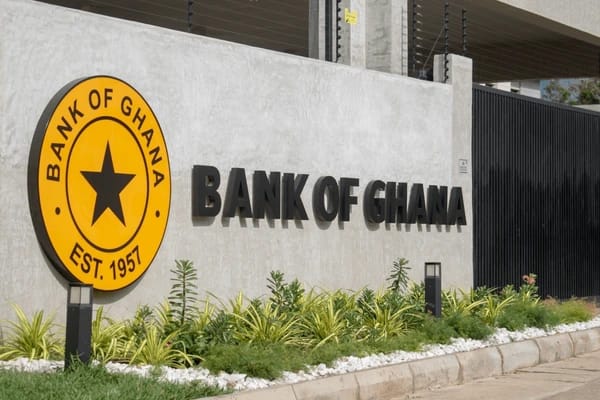
Ghana's central bank may have room to lower its main interest rate later this year, but only if the pressure from surging fuel and energy costs begins to ease, according to market analysis. The Bank of Ghana has held its policy rate steady at 14% for three consecutive meetings, a cautious stance adopted as transport, utility and energy price increases threaten to push inflation higher and undermine consumer and business confidence.
The Monetary Policy Committee's pause signals concern about second-round effects—where higher input costs ripple through the economy as businesses pass expenses to consumers. However, analysts at Databank Research argue that if fuel-related pressures moderate, the central bank could resume its disinflationary path and begin trimming rates again at its final meeting of 2026.
What's Driving the Caution
Whilst headline inflation figures remain relatively contained, the MPC is focused on what happens next. Recent spikes in fuel and energy costs have created uncertainty about whether these pressures will prove temporary or become entrenched in the broader economy. If businesses and households expect fuel costs to remain elevated, they may demand higher wages and prices, pulling inflation expectations upward and complicating the central bank's inflation-fighting efforts.
The cedi's stability and Ghana's foreign exchange reserves are also under scrutiny. A weaker currency could make imported goods more expensive, adding to inflation, whilst stronger external buffers would give the MPC more confidence to ease policy. The central bank is therefore monitoring multiple risk factors before deciding whether lower rates are safe.
Why This Matters for Ghana
Interest rates directly affect Ghanaians' ability to borrow and save. At 14%, the policy rate remains restrictive—it slows business expansion, constrains household credit and keeps borrowing costs high. For small and medium enterprises already squeezed by rising operational costs, lower rates could provide relief and unlock investment and job creation.
However, premature rate cuts could backfire. If inflation expectations become unanchored—meaning people expect prices to keep rising—the central bank may need to raise rates again, creating economic volatility. The challenge for the MPC is balancing the need to support growth with the imperative to keep inflation under control.
For ordinary Ghanaians, the fuel price question is immediate and personal. Transport and energy costs directly shape household budgets and determine whether businesses can afford to hire or invest. A sustained drop in fuel prices would ease inflation pressures, encourage the central bank to cut rates, and potentially lower borrowing costs for mortgages, car loans and business credit.
Conversely, if fuel prices remain high, the MPC will likely stay cautious, keeping rates elevated to prevent inflation from spiralling. This scenario would maintain pressure on household finances and business profitability, potentially limiting economic growth.
The Path Forward
For a rate cut to materialise, analysts say the central bank will need to see clearer evidence that fuel-related price pressures are actually easing, inflation expectations remain anchored, the cedi is stable, and external reserves are recovering. Without these green lights, the MPC is likely to maintain its holding pattern, keeping rates at 14% and prioritising financial stability over growth support.
The November 2026 meeting will be pivotal. If fuel costs have moderated by then and broader inflation expectations remain contained, Ghana could enter a new phase of monetary easing. If not, Ghanaians should expect higher borrowing costs to persist for longer.
Source: The Ghana Report



Comments (0)
Be the first to comment.