Mahama Orders NPA to Slash Diesel Prices by GH¢2 Per Litre in Fresh Cost-of-Living Relief
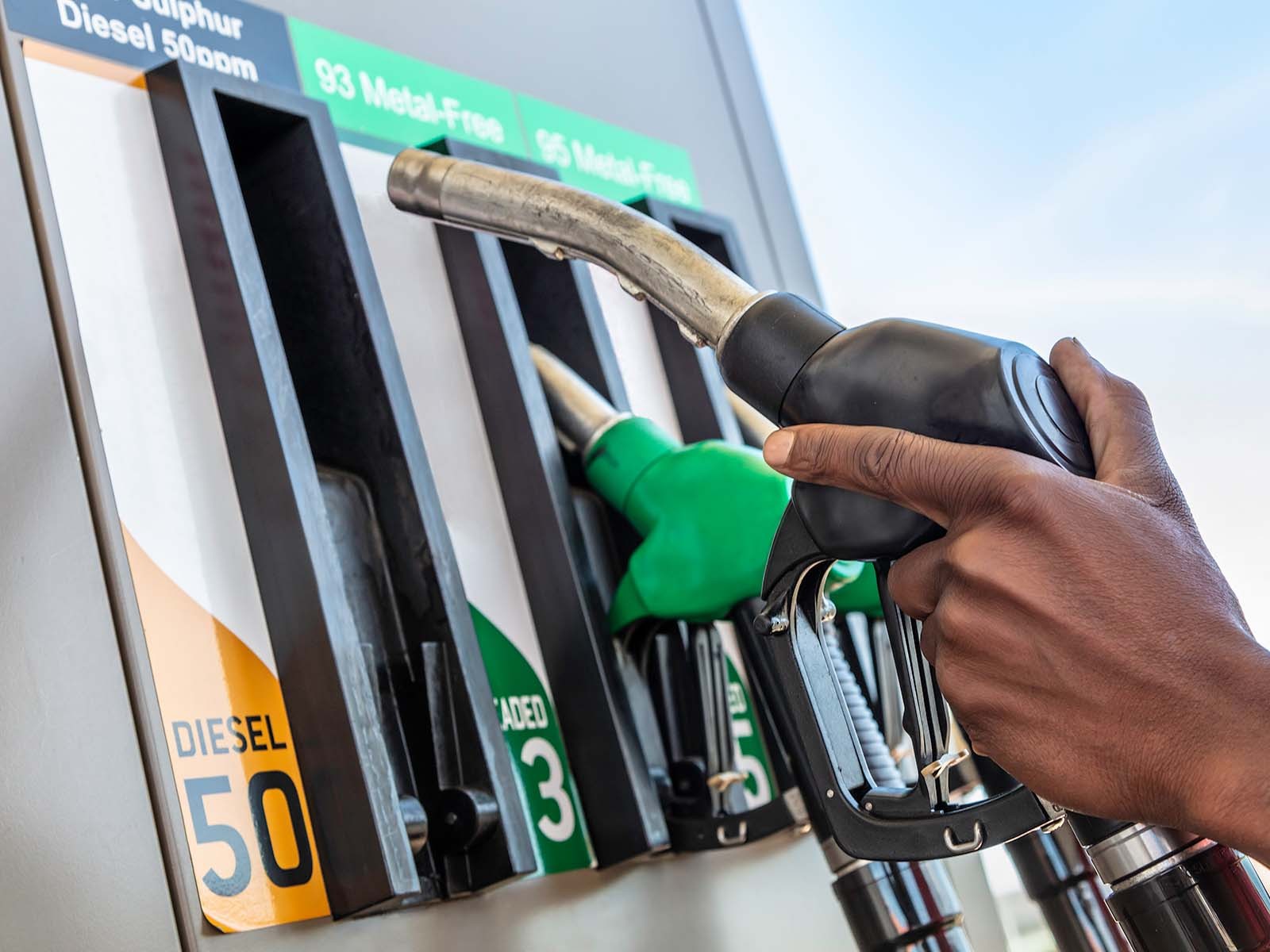
President John Dramani Mahama has announced a new intervention to cushion Ghanaians against surging fuel prices, ordering the National Petroleum Authority (NPA) to absorb GH¢2 on every litre of diesel sold across the country. The directive, disclosed by National Petroleum Commission CEO Edudzi Tamakloe on Monday, represents another attempt by the government to address the cost-of-living crisis that has gripped the nation in recent months.
The subsidy will primarily benefit commercial transport operators, haulage firms, and businesses that rely heavily on diesel for their daily operations. Given Ghana's dependence on imported fuel and the volatility of global oil prices, diesel costs have become a significant burden on logistics companies, manufacturers, and informal traders who depend on transportation for their livelihoods.
Who Benefits Most From The Subsidy
The GH¢2 per litre subsidy is expected to have the widest impact on Ghana's transport sector. Long-distance bus operators, truck drivers, and commercial vehicle owners will see immediate relief at the pump, which could potentially translate to lower fares for commuters. Small-scale businesses that operate delivery services, water tankers, and construction equipment will also benefit from reduced operating costs. However, the effectiveness of the subsidy will depend on how efficiently the NPA implements the measure and whether savings are passed on to end consumers rather than absorbed by intermediaries.
Why It Matters For Ghana
Fuel price volatility has become one of the most pressing economic challenges facing ordinary Ghanaians. When diesel prices rise, the knock-on effects ripple through the entire economy—transport fares increase, food prices climb, electricity tariffs spike, and businesses cut costs by laying off workers. The transport sector is particularly sensitive to fuel costs, since diesel is the primary fuel for commercial vehicles that move goods and people across the country.
This intervention follows similar measures taken by the government in recent months to tackle inflation and ease the burden on low-income earners. However, questions remain about the sustainability of such subsidies and their long-term fiscal impact. Ghana's public finances have been under strain, and fuel subsidies, while politically popular, can create budget pressures if oil prices remain elevated or fall only slowly.
The directive also signals that the government is prioritising the transport and business sectors as critical to economic recovery. By reducing transport costs, the administration hopes to lower the cost of goods and services across the economy, indirectly benefiting consumers even if they don't directly purchase diesel.
Implementation and Broader Context
The success of this subsidy will largely depend on how the NPA manages the arrangement with fuel marketers and distributors. Clear guidelines will be needed to ensure the GH¢2 reduction is consistently applied at all fuel stations nationwide, preventing regional disparities or black-market activities. The government will also need to monitor whether the subsidy achieves its intended goal of lowering transport fares and business operating costs, or whether it is absorbed by retailers without benefiting end users.
As Ghana continues to navigate economic headwinds, including high inflation, currency depreciation, and elevated global oil prices, targeted interventions like this remain tools in the government's broader strategy to protect vulnerable populations and essential sectors. However, policymakers will need to balance short-term relief with long-term fiscal sustainability.
Source: MyJoyOnline

Comments (0)
Be the first to comment.