
Ghana faces fuel price pressures as African economies struggle with October energy crisis
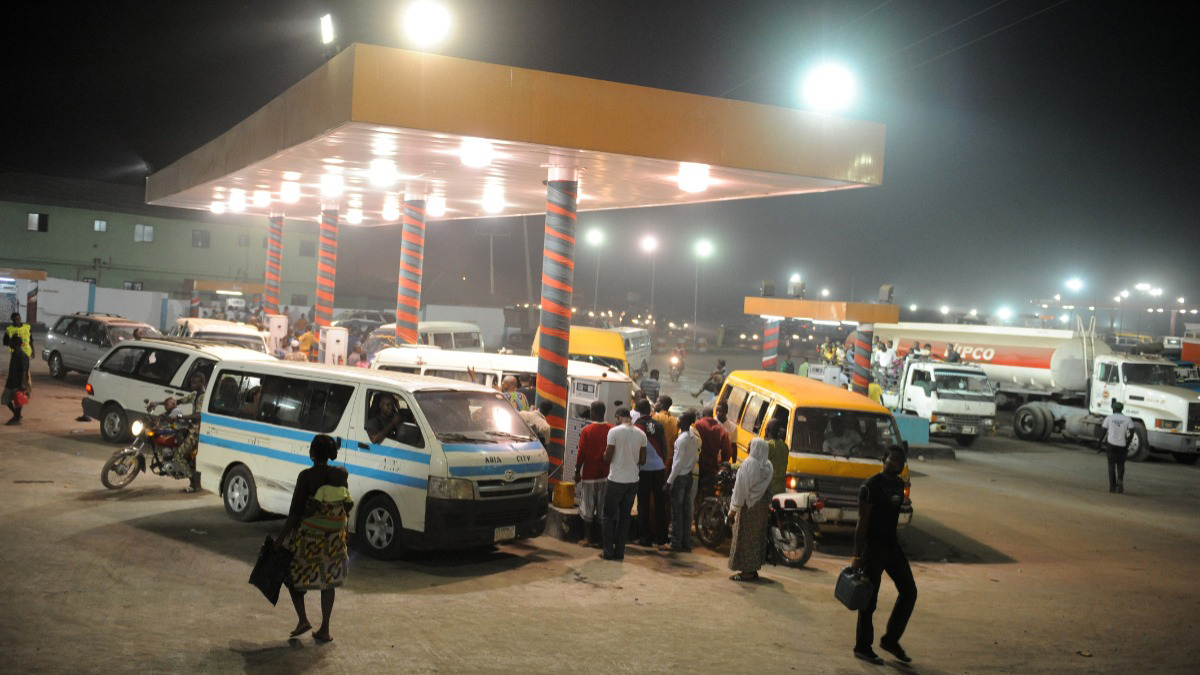

Fuel prices remain a critical challenge for African economies, with October 2026 data revealing persistent energy cost pressures that ripple far beyond the petrol pump. For Ghana, where fuel imports significantly impact the cost of living and business operations, understanding these regional trends is essential as policymakers and households navigate an increasingly volatile global oil market.
The problem is particularly acute for countries dependent on imported petroleum. When global oil prices climb, the additional costs spread quickly through entire economies—from the lorry parks where transport fares are negotiated, to markets where traders calculate the cost of moving goods, to manufacturing plants where fuel represents a substantial operational expense. In Kenya, for instance, petrol prices surged by KSh12.93 per litre in mid-October, prompting transport operators to warn of fare increases. Nigeria experienced similarly sharp jumps, with fuel hitting N1400 per litre at various points during the month.
The cascade effect on ordinary Ghanaians
For the average Ghanaian household, higher fuel costs translate into immediate, tangible pressures. Commuters spend more getting to work. Market women and traders face tighter margins. Manufacturing businesses absorb higher production and distribution costs, or pass them to consumers through price increases on everyday goods. According to S&P Global research from June 2026, 36% of surveyed firms across sub-Saharan Africa reported elevated purchase costs directly linked to fuel prices—a figure that underscores how quickly energy expenses contaminate entire supply chains.
The challenge extends beyond transport. When moving agricultural produce from farms to urban markets becomes more expensive, consumers ultimately pay higher prices for food and essentials. Small businesses, already operating on thin margins, find themselves with less capital to expand, hire workers, or invest in equipment. Over time, this squeeze weakens household purchasing power and slows broader economic growth.
Why it matters for Ghana's economy
Ghana's vulnerability to fuel price shocks is significant. As a fuel-importing nation, Ghana must secure foreign currency to purchase petroleum shipments abroad. When global prices rise, import bills swell, placing pressure on the national currency and making future fuel purchases even more expensive—a cycle that can undermine macroeconomic stability. Regional comparisons show that countries like South Africa, Lesotho, Kenya, Rwanda, and Zimbabwe are contending with particularly high pump prices, suggesting that West Africa, including Ghana, remains exposed to similar pressures.
Without more resilient fuel supply chains and affordable transport alternatives, African economies—Ghana among them—risk remaining vulnerable to external shocks every time global oil markets shift. Policymakers must balance protecting consumers from price spikes whilst maintaining sustainable energy sectors and encouraging investment in renewable energy sources that could reduce long-term import dependence.
The October 2026 fuel price trends across Africa serve as a reminder that energy affordability is not merely a technical issue—it is a matter of household welfare, business viability, and national economic stability. For Ghana, monitoring regional fuel dynamics and learning from how other African countries manage price volatility can inform more effective policy responses to future energy crises.
Source: The Ghana Report

Comments (0)
Be the first to comment.