Daily fuel price changes loom as Ghana's oil distributors ditch fixed pricing model
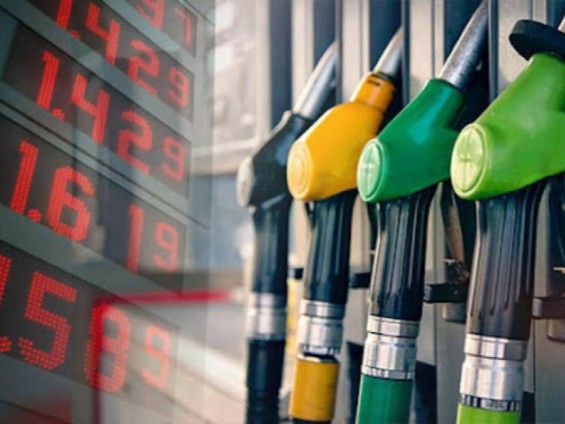
Ghana's motorists face a significant shake-up in how they pay for fuel at the pump. Bulk Oil Distribution Companies (BDCs) have abandoned the traditional fixed pricing model in favour of spot pricing, a change that could mean fuel prices shift almost daily instead of every two weeks—the system Ghanaians have grown accustomed to.
The move reflects the reality of modern international oil markets. Rather than wait for pricing windows on the 1st and 15th of each month, Oil Marketing Companies (OMCs) are now adjusting pump prices whenever global crude prices or the cedi-to-dollar exchange rate moves significantly. Recent weeks have already seen several fuel retailers revise prices two or three times within a single pricing window—a sign of what may become the norm.
Why the sudden shift?
The primary driver is volatility in global crude oil markets, according to Dr Kweku Ofori, Chief Executive of the Chamber of Bulk Oil Distributors. He explained that most BDCs now use spot pricing when selling to OMCs, while others rely on daily pricing triggers based on international oil trading companies' rates. This marks a fundamental departure from the stable, predictable pricing schedule Ghanaians have relied on for years.
Recent data underscores the pressure on retailers. Star Oil's Chief Executive Philip Tieku disclosed that international gasoline prices surged nearly 20% since the current pricing window began, whilst diesel climbed approximately 25%. Simultaneously, the Ghana cedi weakened against the US dollar, compounding import costs. Since most petroleum products are now purchased on a daily cash-and-carry basis—meaning each new consignment is priced using live international rates and exchange rates—retailers argue they have little choice but to pass these costs forward immediately.
What this means for Ghanaian consumers
The shift to daily pricing introduces both risks and potential benefits. On one hand, motorists could see prices rise or fall with greater frequency, making budgeting more unpredictable. On the other, if international prices drop, consumers could benefit from faster reductions at the pump rather than waiting for the next scheduled pricing window.
Industry players defend the practice as compliant with existing regulations. The National Petroleum Authority permits OMCs to adjust prices within a pricing window if ex-refinery costs rise, and BDCs' daily reviews of these prices simply reflect market reality. However, the long-term viability and fairness of daily adjustments remain unclear, particularly for low-income Ghanaians whose transport and living costs could become increasingly volatile.
What happens next?
The National Petroleum Authority has not yet publicly stated its position on this industry-wide shift. Regulators must balance the legitimate operational pressures facing distributors and retailers against consumer protection and market stability concerns. Whether the authority will formalise daily pricing as the new standard, impose limits on adjustment frequency, or take another approach remains to be seen.
For now, Ghanaian motorists should prepare for a less predictable fuel pricing environment. The end of the fortnightly cycle could reshape household budgeting and transport planning across the country.
Source: MyJoyOnline

Comments (0)
Be the first to comment.