Petrol prices spike as global oil surge and cedi weakness squeeze Ghanaian pumps
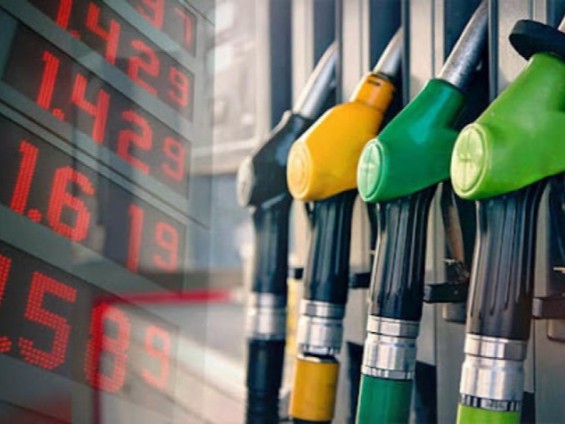
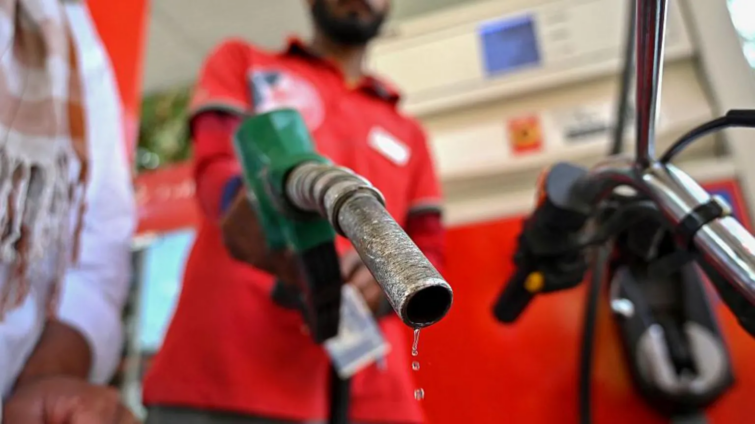
Ghana's fuel prices have surged at the pumps this week, with major Oil Marketing Companies (OMCs) implementing increases aligned with the petroleum industry's bi-weekly price review cycle. Star Oil led the charge on August 1, 2026, pushing petrol from GH¢14.47 to GH¢14.53 per litre, while diesel climbed more steeply from GH¢17.67 to GH¢18.77 — signalling tighter margins for consumers already grappling with transport and commodity costs.
The price adjustments reflect two powerful headwinds buffeting Ghana's energy sector: a dramatic spike in global crude oil prices and ongoing depreciation of the cedi against the US dollar. According to the Chamber of Mines and Association of Communities (COMAC), crude oil prices surged 23.25% during the review period, climbing from US$71.90 to US$88.62 per barrel. Refined products fared worse, with diesel jumping 24.84% and petrol rising 12.58%, driven largely by escalating geopolitical tensions in the Middle East.
Star Oil's Chief Executive Philip Tieku explained on social media that world market gasoline prices have risen by nearly 20% since mid-July, while diesel has climbed approximately 25%. These swings, he noted, force OMCs operating on a daily cash-and-carry purchasing model to reset prices frequently to reflect real-time international rates and prevent arbitrage losses. The cedi's 1.41% depreciation against the dollar in early August — moving from GH¢11.4970 to GH¢11.6593 per unit — further inflated import costs for petroleum products.
What's driving the global spike?
Geopolitical turbulence centred on US-Iran tensions and uncertainty surrounding the Strait of Hormuz is the principal culprit. Initial optimism over a potential peace settlement briefly eased prices, but Iran's rejection of Oman's shared-control proposal, combined with renewed tanker attacks and ongoing shipping restrictions, has sustained crude prices near US$88 per barrel. These security risks have rattled global energy markets and pushed prices higher across refined fuels.
Why it matters for Ghana
Rising fuel costs directly threaten Ghana's already strained cost of living. Transport operators are likely to petition the government for fare increases — the Ghana Private Road Transport Union has already signalled this demand. Should fares rise, the effect cascades through the economy: food prices, delivery costs, and general goods become more expensive, pressuring households already managing inflation. Additionally, industries relying on fuel-intensive operations face margin compression, potentially dampening economic activity. The National Petroleum Authority's price floor mechanism provides some protection, but the trajectory suggests further increases ahead as global conditions remain volatile.
Market analysts cautioned that the actual pump impact may be somewhat muted for many consumers, given that several OMCs had already adjusted prices in preceding weeks. However, further price reviews scheduled for August 2 and 3 are expected to bring petrol toward at least GH¢15.23 and diesel to GH¢17.45 or higher per litre — levels not seen recently — putting additional strain on household budgets and transport economics.
Source: Today GH
Comments (0)
Be the first to comment.