
Oil Marketing Companies Hike Fuel Prices as Global Crude Costs Surge
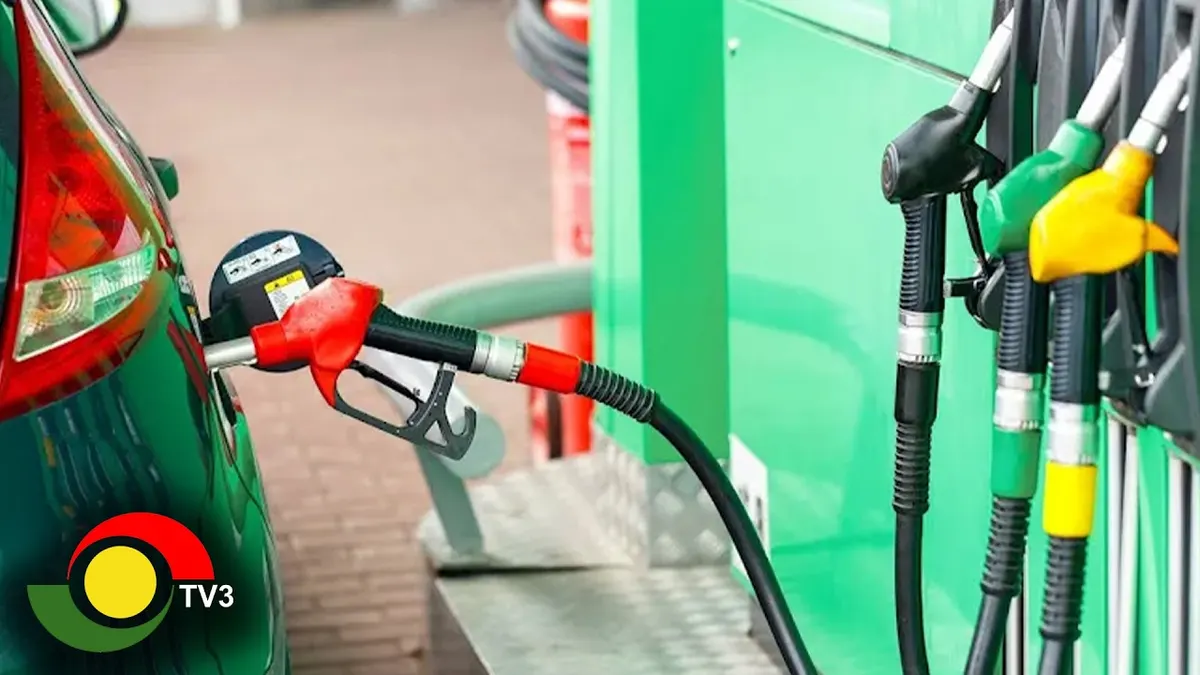

Independent oil marketing companies in Ghana have begun raising fuel prices at the pump ahead of the next bi-weekly pricing window, responding to sustained increases in global crude oil costs and mounting import expenses. The price adjustments signal growing pressure on downstream petroleum operators as international market dynamics squeeze profit margins and force cost increases down to consumers.
What's driving the increases
The primary driver behind the fuel price hikes is the upward movement in crude oil prices on the international market. When global crude becomes more expensive, the cost of refined petroleum products rises accordingly, directly affecting what Ghanaian importers must pay to bring fuel into the country. Beyond crude costs, operators face additional financial headwinds from elevated freight charges and insurance premiums on international shipments, which have compounded the burden on import expenses. These combined factors—higher acquisition costs plus expensive logistics—leave OMCs with limited room to absorb costs, pushing them to pass increases to consumers sooner rather than wait for the official bi-weekly adjustment window.
The pricing cycle and its impact
Ghana's petroleum sector operates on a bi-weekly pricing mechanism designed to allow fuel prices to adjust based on international market movements and the local currency's performance. However, independent OMCs sometimes adjust prices outside this formal window when market conditions shift sharply, a practice that can create price inconsistencies across filling stations. Consumers may therefore encounter different prices depending on which retailer they patronise, and these early adjustments can compress margins for competitors who delay price changes.
Why it matters for Ghana
Fuel price movements have far-reaching consequences across Ghana's economy. Higher pump prices increase transport costs for commercial vehicles, which typically translates to higher fares for commuters and increased prices for goods and services. Manufacturing and agricultural sectors reliant on fuel-powered machinery face rising operational costs. Small businesses operating vehicles or generators become more vulnerable to margin compression. Additionally, petrol and diesel price trends influence inflation figures that the Bank of Ghana monitors closely when setting monetary policy. Consumers, particularly those in low-income brackets already struggling with rising living costs, feel the immediate pinch when fuel prices climb. The timing of these increases—before the official pricing window—may also frustrate price monitoring efforts by regulators and advocacy groups seeking to ensure transparent, predictable adjustments. Ghanaians should monitor the next bi-weekly adjustment announcement from the National Petroleum Authority to understand whether these early increases will be reflected in the official pricing or represent additional margin pressures on the sector.
Source: 3News


Comments (0)
Be the first to comment.