BoG and CIB Ghana unite on ethics push as nation prepares to host global banking summit

Ghana's banking regulators and professional bodies have signalled a renewed push to strengthen ethical standards across the sector, as the country prepares to host a major international banking conference in 2028. The Bank of Ghana and the Chartered Institute of Bankers Ghana sealed their commitment during a high-level meeting on Friday, 31 July at Bank Square in Accra, where CIB Ghana's incoming leadership outlined an ambitious vision for rebuilding institutional capacity and hosting the World Conference of Banking Institutes (WCBI).
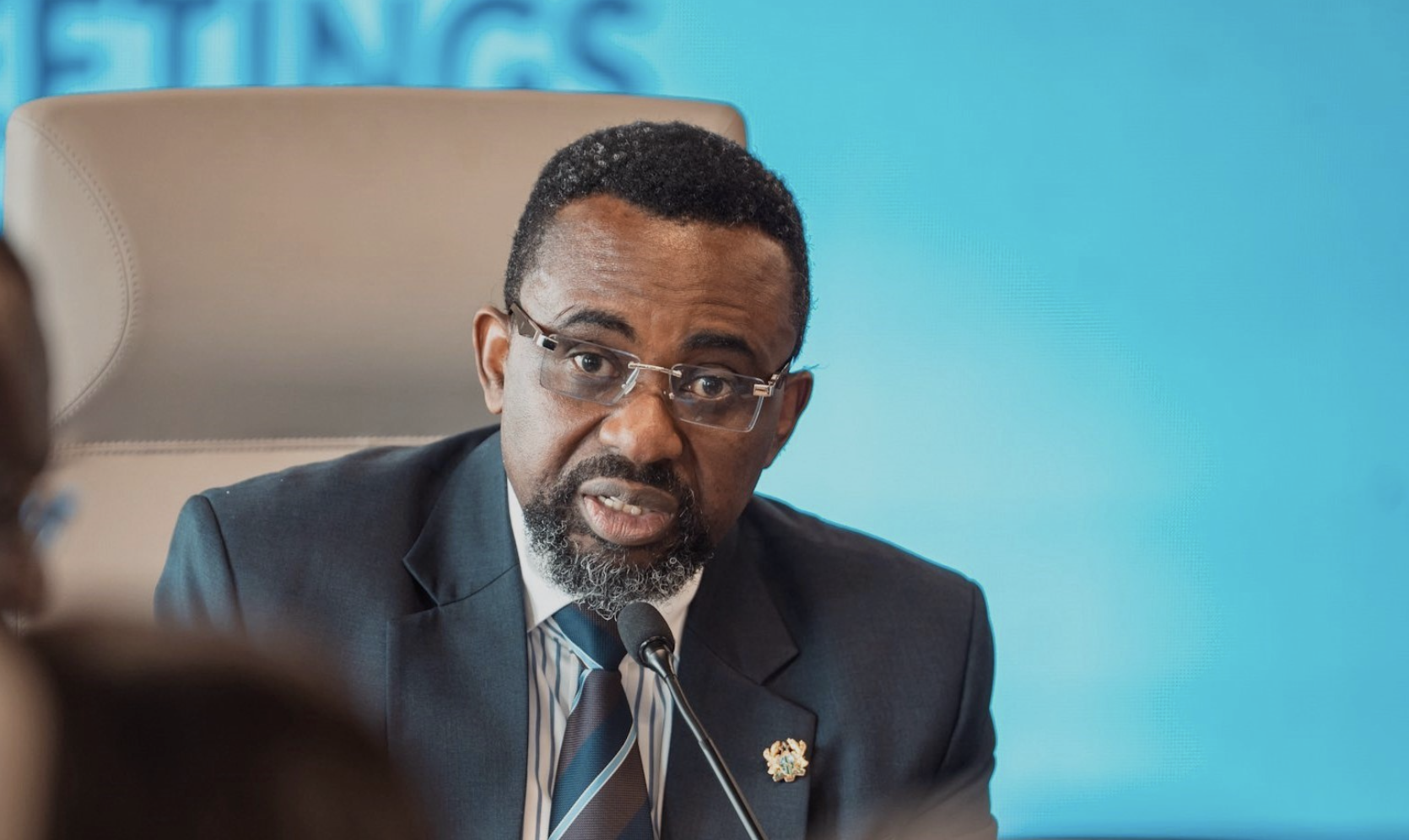
The engagement brought together Dr Johnson Pandit Asiama, Governor of the Bank of Ghana, and the new Governing Council of CIB Ghana, led by incoming President Dr Ellen Odre-Afoakwa. Beyond ceremonial pleasantries, the discussions covered pressing industry challenges: customer protection, fraud prevention, digital asset regulation, and the role of artificial intelligence and quantum computing in reshaping financial services.
Building blocks for a trusted sector
Both institutions emphasised that professional competence and ethical conduct must become non-negotiable standards for banking practitioners—mirroring expectations in regulated professions like medicine. CIB Ghana briefed the Governor on several cornerstone initiatives designed to embed these values, including the Branch CEO Programme, the Chartered Banker for Executive Leadership (CBEL) certification, industry-wide ethics certification drives, and fraud prevention campaigns backed by research.
Dr Asiama acknowledged CIB Ghana's collaboration with the Bank of Ghana, the Ghana Association of Bankers, and other sector players in combating emerging fraud risks and threats to public confidence. He challenged the Institute, however, to expand these capacity-building and ethics programmes beyond the formal banking sector to include community banking institutions and the broader financial ecosystem—signalling that regulatory concern extends well beyond major commercial banks.
Why it matters for Ghana
Ghana's banking sector has faced recurrent crises rooted in weak governance and ethical lapses. Public trust remains fragile following the collapse of several banks in recent years. This alignment between the regulator and the professional body signals a strategic pivot: rather than relying solely on enforcement and penalties, authorities are investing in professional development and institutional strengthening to prevent misconduct at source.
The 2028 WCBI hosting is particularly significant. Ghana will become only the second African nation to host this global gathering of banking institutes, offering a platform to showcase regional expertise and attract investment in fintech and financial services. However, staging such an event credibly requires Ghana to demonstrate tangible progress on transparency, fraud prevention, and professional standards—making the current ethics drive not merely aspirational but strategically necessary.
The focus on digital assets, AI, and quantum computing also reflects global trends; Ghana's regulatory framework will need to evolve in parallel with technology adoption to prevent a replay of past lapses in a new digital context.
Next steps and sector implications
The meeting reaffirmed shared commitment to building a sound, resilient and trusted banking sector. Key priorities moving forward include:
- Extending ethics and professional development to community banking institutions and non-bank financial actors
- Strengthening community banking reforms and verification rigour across the sector
- Addressing emerging risks tied to digital finance and emerging technologies
- Preparing Ghana's banking ecosystem for international scrutiny ahead of the 2028 WCBI
For practitioners, savers and businesses relying on Ghana's financial system, these commitments signal that professional standards are tightening. For the sector itself, the partnership offers an opportunity to rebuild public confidence through visible, sustained action on ethics and competence—rather than crisis-driven intervention.
Source: MyJoyOnline



Comments (0)
Be the first to comment.